Blog
Twin Beds for Boys with Storage: 2026 Buying Guide

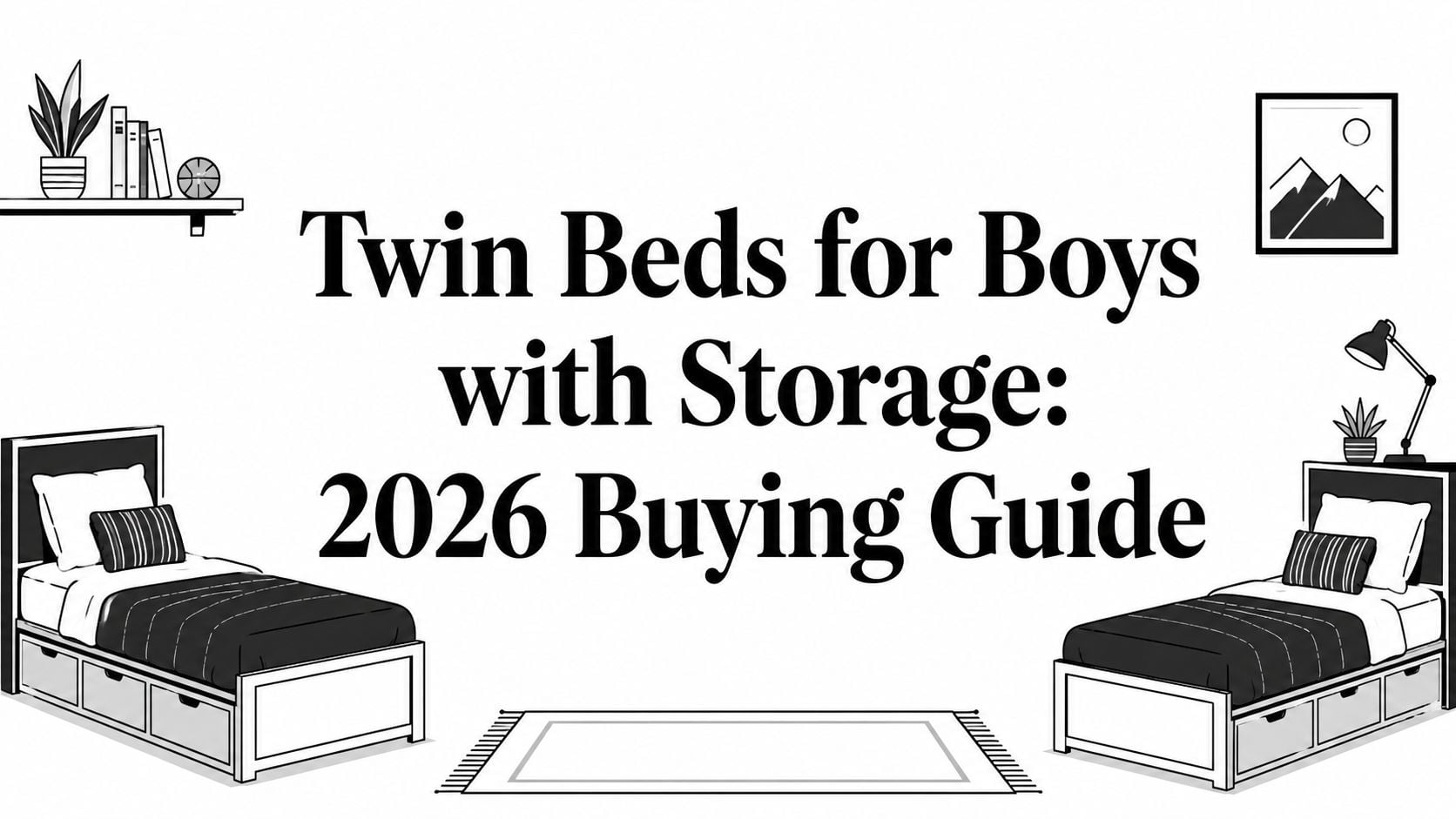
For homeowners in Dyer, Crown Point, and the rest of Northwest Indiana, a boy's room usually stops behaving the minute the sports gear piles up, the dresser drawers jam, and the floor turns into a drop zone for books, shoes, and half-finished projects. That's when twin beds for boys with storage stop being a nice idea and start being the smarter buy, because one well-built bed can replace the chaos of three separate pieces fighting for the same square footage.
The right storage bed does more than hide clutter. It gives a kid a clear place for things, keeps the room easier to clean, and frees up space for the parts of childhood that still need room, like building, reading, and sleepovers. For families comparing options this weekend, the question isn't whether storage helps, it's which storage style fits the room without causing daily frustration.
A smart purchase also has to work locally. A bed that looks great online can fail the minute it meets a real bedroom in Dyer or Crown Point, especially if the door swings tight, the closet is awkward, or the room has to serve as both bedroom and play space. That's why the best choices are the ones that balance layout, durability, and long-term usefulness instead of chasing a showroom look.
Why a Storage Twin Bed Changes a Boy's Room
A boy's room usually doesn't get messy all at once. It gets crowded in layers, a basketball here, a stack of books there, then a dresser that won't close because the drawers are full of everything that didn't have a home. A storage twin bed solves that by turning the biggest piece in the room into the most useful one, so the floor stops carrying the burden of storage and starts acting like a floor again.
That shift matters because kids do better with simple systems they can use. When the bed becomes the place for clothes, spare blankets, or bins, the room gets one clear anchor instead of a scatter of containers that compete for attention. Parents in NWI usually feel that difference fast, because the room looks calmer even before anything else changes.
Practical rule: the best storage bed is the one that removes a second dresser, not the one that adds another place to lose socks.
A good starting point is the guide on smart storage ideas for small rooms, because the logic is the same. Reduce clutter at the source, then make the main piece do more of the work. That approach usually beats buying a pretty frame and still needing extra furniture to make the room function.
For a growing boy, that matters even more. Toys, school items, and clothing all compete for the same space, and a storage twin teaches the room where things belong. It also gives parents a better path toward a cleaner room without turning the whole setup into a major remodel.
The Three Storage Styles That Actually Work
Drawers are the workhorse choice
Drawer beds make the most sense when clothes, linens, and everyday gear need a real home. They open from the side or foot of the bed, which keeps the storage easy to reach and easy to teach a child to use. The trade-off is simple, drawers need room to open fully, so they can become annoying in a tight room with a closet door, desk chair, or hallway traffic nearby.
Trundles fit shared rooms and sleepovers
A trundle shines in a room that needs a spare mattress without dedicating permanent floor space to one. That makes it a smart fit for brothers sharing a room or for a child who hosts friends often. The downside is just as clear, a trundle is best when the floor stays open enough to pull the lower bed out without moving half the room first.
Platform and lift-up storage win in boxy rooms
A platform or lift-up frame makes sense when the room is small but the storage need is serious. It keeps the footprint cleaner than a bed surrounded by drawers, and it's especially useful when the goal is storing bulkier items that don't need daily access. The downside is access discipline, because if the room never gets cleaned under or around the frame, the storage can feel like a hidden dumping ground instead of a real system.
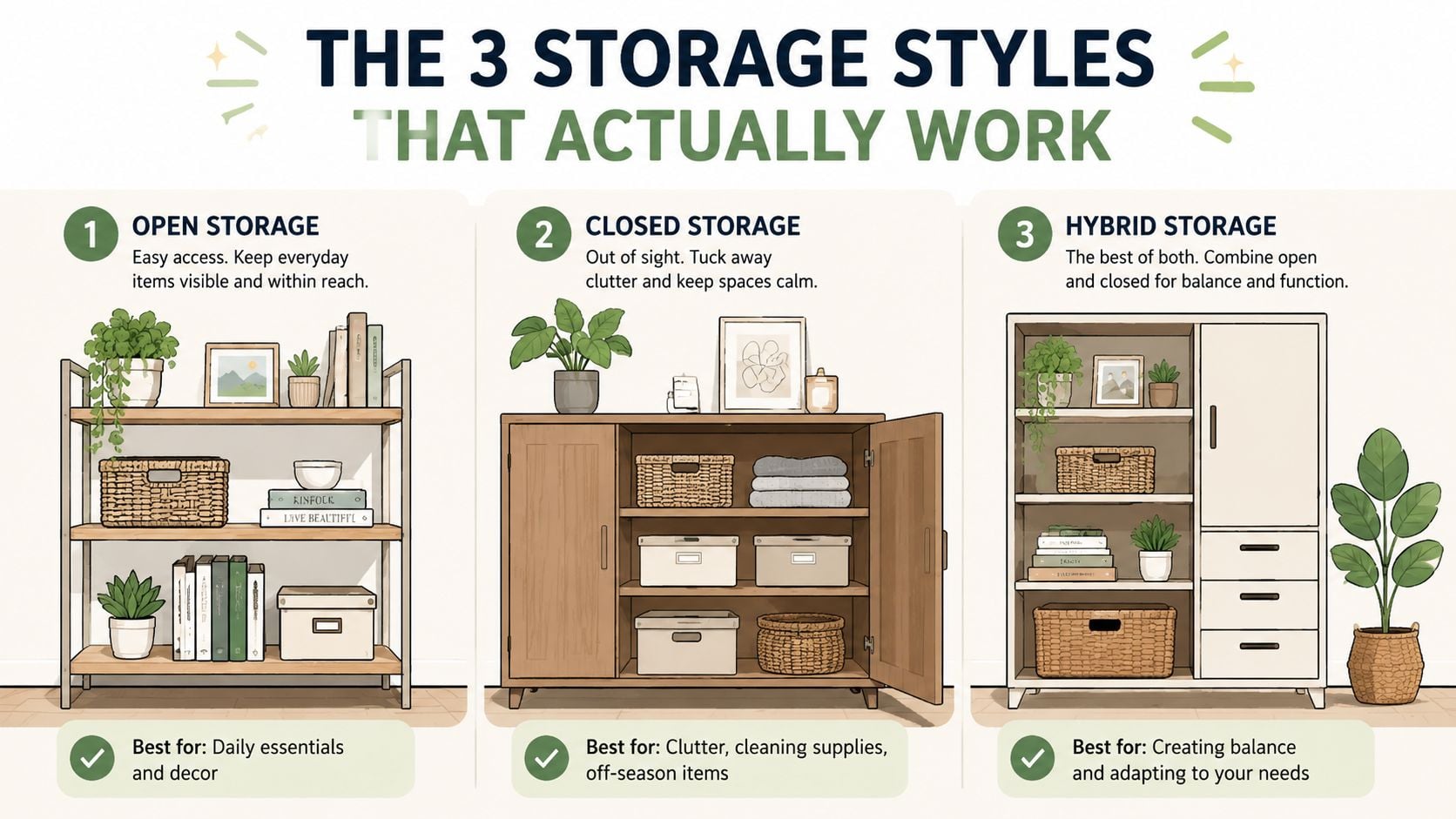
A quick screen helps narrow the choice fast.
- Need daily access to clothes or bedding? Drawers usually make the most sense.
- Need a guest sleep option in a shared room? A trundle is the cleaner answer.
- Need hidden storage in a very tight room? A platform or lift-up design usually does the job better.
Parents often overlook one more detail, though. Door swing, closet access, and the habit of cleaning under the bed all matter more than the catalog photo. A bed can be well made and still be the wrong bed if its storage blocks the only path to the closet.
A helpful companion guide is how a bookcase headboard changes bedroom storage, because headboard storage changes access patterns just as much as drawer style does. In a boy's room, that kind of detail is what keeps a smart purchase from becoming a daily annoyance.
Twin vs Twin XL and Mattress Compatibility
A twin mattress in the U.S. is typically 38 inches wide by 75 inches long, while a twin XL is 38 inches wide by 80 inches. That extra 5 inches of length matters more than many parents expect, because it can buy time for a growing boy before the bed starts feeling short. The useful way to think about it is simple, twin is the compact default, twin XL is the longer-term play.
For bedding, both sizes stay familiar and easy to manage, but the mattress choice has to match the frame. A storage frame often works best with a platform base or solid support, especially when the design uses drawers or a lift-up top. For mattress guidance that puts rest and posture first, the Helpful Mattress Guide offers a useful wellness-focused perspective on why the sleep surface matters as much as the frame.
The bed is really two purchases in one, a sleeping surface and a storage envelope. If either one is wrong, the whole setup feels off.
Under-bed clearance is another detail that gets ignored too often. A practical benchmark is at least 10 to 12 inches of clearance if standardized bins are part of the plan, because that's what makes storage usable instead of decorative. Lower clearance may still look fine in a photo, but it can leave bins scraping, airflow reduced, and dust control harder in a compact room.
That's why mattress compatibility matters in practice, not just on paper. Foam and hybrid mattresses usually need the right support structure, while traditional innersprings are often less demanding about the base underneath. Families should treat the mattress and frame as one coordinated decision, because the wrong pairing can undermine both comfort and storage access.
For a dimension-focused reference, the guide on twin bed sizing details helps keep the measurement conversation grounded. If the room is tight now, a twin XL can be the better value later. If the room is very small, the shorter twin may preserve more usable floor space.
Construction, Finishes, and Hardware That Survive Boys
A storage bed should be judged like a piece of equipment, not a decorative object. The best frames feel solid when a kid climbs in, open and close smoothly when drawers get packed unevenly, and stay aligned after years of being used hard. That's where solid wood, especially Amish-built construction, tends to separate itself from lighter composite builds, because joints, rails, and drawer boxes usually age more gracefully.
Five years in, the weakness of cheaper construction tends to show up in familiar ways, squeaks, drawer drift, and corners that loosen when the frame gets moved or loaded hard. A good finish helps too, especially darker stains or painted surfaces that hide scuffs better than delicate tones. Sealed topcoats matter because boys don't always treat a headboard like furniture, they treat it like part bed, part launch pad, part art project.
For a deeper look at materials, wood furniture choices for long-term durability is worth a read. The main point is straightforward, a pretty frame that wears quickly isn't a value piece.
A few spec-sheet details matter more than parents usually realize:
- Weight capacity: Look for a frame rated for at least 300 to 500 lb for the combined mattress and occupant.
- Drawer hardware: Full-extension slides are better because the whole drawer becomes usable, not just the front section.
- Joinery: Reinforced corner blocks or metal-to-metal fasteners usually hold up better over time.
- Drawer sides and bottoms: Solid drawer boxes beat thin composite sides when the drawers get packed full.
Practical rule: if the drawer doesn't glide smoothly when empty, it won't behave better once it's full of clothing, toys, and summer gear.
The short showroom checklist is simple. Check the slides, push on the corners, open every drawer all the way, and ask how the frame is supported in the middle. If the hardware feels flimsy on the floor, it won't improve after delivery.
Room Measurements and Safety Essentials
The tape measure should come out before the shopping starts, not after the delivery truck is booked. Measure the bed footprint, then add the space needed for drawers, door swing, closet access, and the walking path beside the frame. For most small bedrooms, a walking clearance of about 24 to 30 inches around the bed keeps the room from feeling pinched, while still leaving space for the rest of the furniture.
Loft-style storage deserves even more caution. The ceiling height has to work not just for the bed frame, but for getting in and out comfortably and safely, and that means the room math has to be done in advance. A bed that looks efficient in a photo can feel awkward in a real room if the ceiling is too low or the top rail sits too close to a fan, light, or sloped wall.
A good measurement routine looks like this:
- Mark the bed rectangle: Tape off the exact mattress size and frame size on the floor.
- Open every moving part: Check how far drawers, trundles, or lids extend.
- Test the doors and closet: Make sure nothing collides when the bed is in place.
- Walk the route: A child should still be able to move easily from bed to closet to door.
- Think about cleaning: If dust bunnies will be impossible to reach, the bed needs a different layout.
Safety depends on age and design. Lofted and bunk-style frames need guardrails, and tall bookcase headboards should be anchored if they're heavy enough to tip. Trundles can be a friend-sleepover feature, but only when a child can manage the lower mattress safely without turning bedtime into a climbing problem.
A simple pre-delivery checklist helps keep mistakes off the truck:
- Measure the doorway: Make sure the frame can enter the room.
- Check the mattress height: Confirm that bedding and guardrail clearance still make sense.
- Confirm storage access: Open drawers or lids fully in the room plan, not just in the store.
- Review the cleaning path: A bed that blocks vacuum access becomes a maintenance headache fast.
The guide on measuring furniture correctly before purchase is useful here because the room is the ultimate test, not the showroom floor.
Sleep Wellness and Styling a Boy's Room That Grows With Him
A boy's bed has to do more than hold bedding and hide clutter. It has to support rest during years of growth, recovery after sports, and the kind of sleep that helps a child show up calmer the next morning. That means mattress quality matters as much as drawer layout, and the frame should be chosen around comfort first, then storage.
A well-built frame paired with a quality brand-name mattress gives the room a stronger sleep foundation. Better support helps the bed do its main job before the storage side even enters the conversation. For families who want the room to age well, neutral finishes and plain lines usually hold up longer than theme-heavy designs that fade out with the hobby of the month.
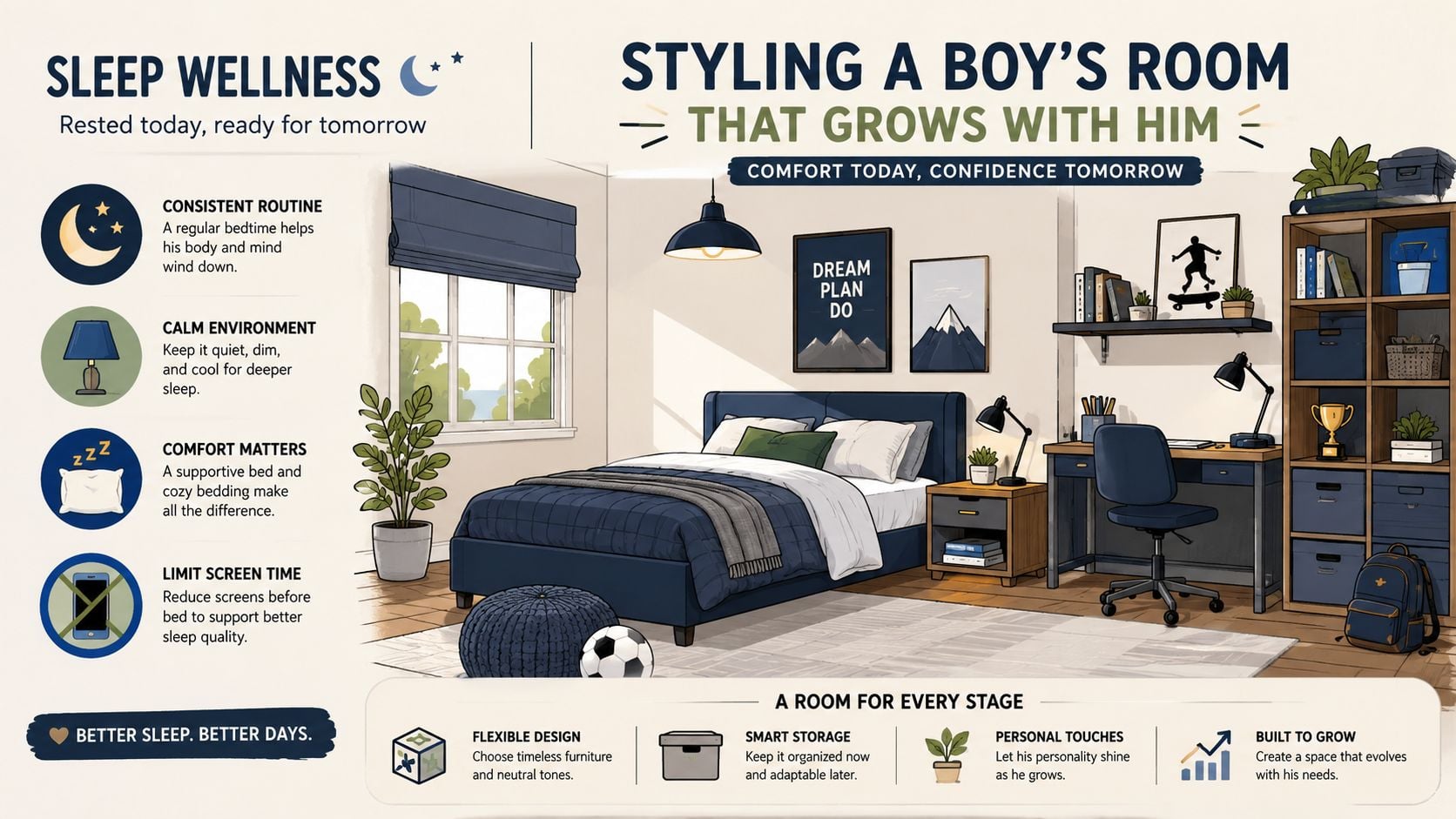
A room that grows with a child usually comes down to a few smart choices. Modular headboards, durable bedding, labeled bins, and a reading light keep the space personal without forcing a full redesign every time interests shift. If you want more practical organizing ideas, explore functional storage solutions for kids bedrooms for ways to make the whole room work together.
Boys also need rooms that stay livable. They should not feel like fragile displays that break down the first time life gets busy. A storage twin in a calm finish, paired with bedding that changes with the season, keeps the room flexible and easy to reset. That styling approach lets the room still feel like his room even after the interests change.
Buying Locally at Groen's and What Makes the Difference
A storage bed looks simple on the sales floor, then it gets home and the test begins. For families in Northwest Indiana, local buying matters because the bed has to fit the room, the floor plan, and the way a boy uses his space every day. Groen's custom order program lets a family design it their way, including Amish solid wood builds made to order for the exact room, finish, and drawer layout needed. That matters when a stock frame is close, but the drawer clearance, headboard height, or storage side still misses the mark.
A good local showroom also helps when the room has a tricky corner, a low window, or a closet door that swings the wrong way. That is the point where trusted local brands and premium manufacturer lines earn their keep, because the frame has to hold up through years of climbing, shifting, and everyday use. A storage bed should feel like a long-term piece, not a temporary fix that starts wobbling after the novelty wears off.
Special financing, subject to credit approval, can make a better bed reachable without forcing a compromise on quality. That is not about chasing the lowest sticker price. It is about having enough room in the budget to choose a stronger frame, better hardware, or the right mattress pairing without settling for a near-match that creates headaches later. Paying for the wrong bed twice is worse than buying the right one once.
White-glove delivery changes the whole job too. When the bed arrives assembled and the old one is removed, parents skip the heavy lifting and the room gets usable sooner. Interior design help matters as well, especially in awkward rooms where the bed has to work around desks, windows, or difficult closet placement.
Best next move: sit on the mattress, open every drawer, check the finish in real light, and see whether the frame still feels right after a few minutes, not just after a glance.
A showroom visit in Dyer or Crown Point makes the difference obvious fast. Families can bring room measurements, compare storage layouts, and ask what can be made to order instead of settling for a near-match. For a bed that has to work every day, that hands-on step saves the most regret later.
Your Next Step Toward a Calmer Bedroom
A storage twin works best when three things line up, the storage style, the size, and the room measurements. Drawers fit daily clothing and gear, trundles fit shared rooms and sleepovers, and platform storage fits tight rooms that need hidden capacity. Twin XL adds length, solid construction keeps the frame honest, and the right clearance keeps the bed usable instead of cramped.
That's why this purchase shouldn't be treated like a phase item. A good storage bed can outlast changing interests, messy seasons, and more than one repaint, as long as the frame is built well and measured correctly before delivery. The smart money goes toward the piece that makes the whole room easier to live in.
For families in Dyer or Crown Point, the best next step is simple, bring room measurements, test the comfort in person, and ask about custom options and special financing. Design it your way, build it to last, and let our family help you create a room your son will want to keep tidy.
A CTA for Groen's Fine Furniture. Visit Groen's Fine Furniture in Dyer or Crown Point today to explore custom options and ask about special financing plans. Let our family help you create a home you love.