Blog
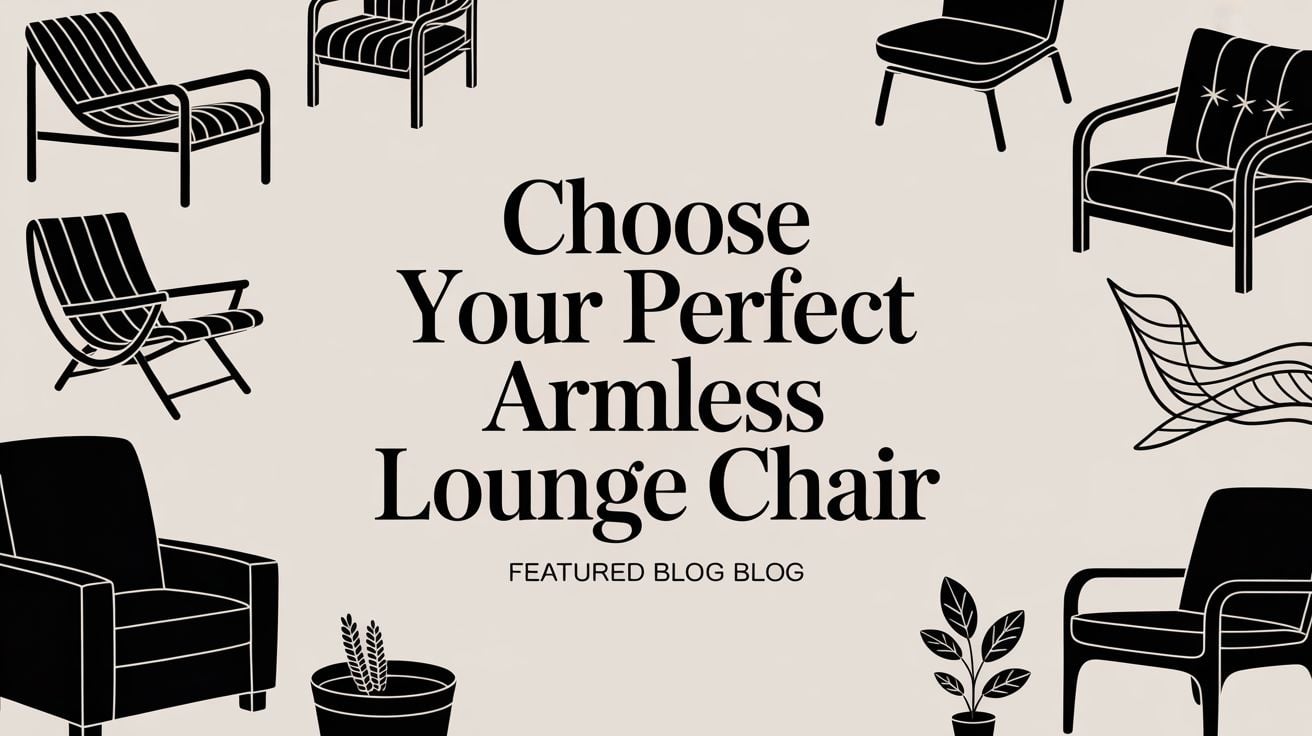
Choose Your Perfect Armless Lounge Chair

You’re probably looking at a room that’s almost right.
The sofa works. The coffee table is staying. But there’s a corner that feels empty, or a seating area that needs one more place to land without making the whole room feel crowded. That’s where an armless lounge chair often makes surprising sense.
For homeowners across Dyer, Crown Point, St. John, Schererville, and the rest of Northwest Indiana, this style solves a very modern problem. You want comfort, but you also want flow. You want a chair that looks intentional, not bulky. And if you plan to sit there for reading, conversation, or even a little laptop time, it has to do more than just look good.
Our family has helped NWI shoppers think through choices like this since 1983, and we’ve learned something simple. The best chair isn’t the trendiest one. It’s the one that fits your room, supports how you live, and still feels like your style years from now.
Why NWI Homeowners Are Embracing the Armless Lounge Chair
A lot of local homes need flexibility more than formality.
In Crown Point, that might mean a chair that can float near a sectional without blocking sightlines across an open living room. In Munster, it might be a reading seat by a bedroom window. In St. John, it may be extra seating that works for family movie night but doesn’t overpower the room the rest of the week.
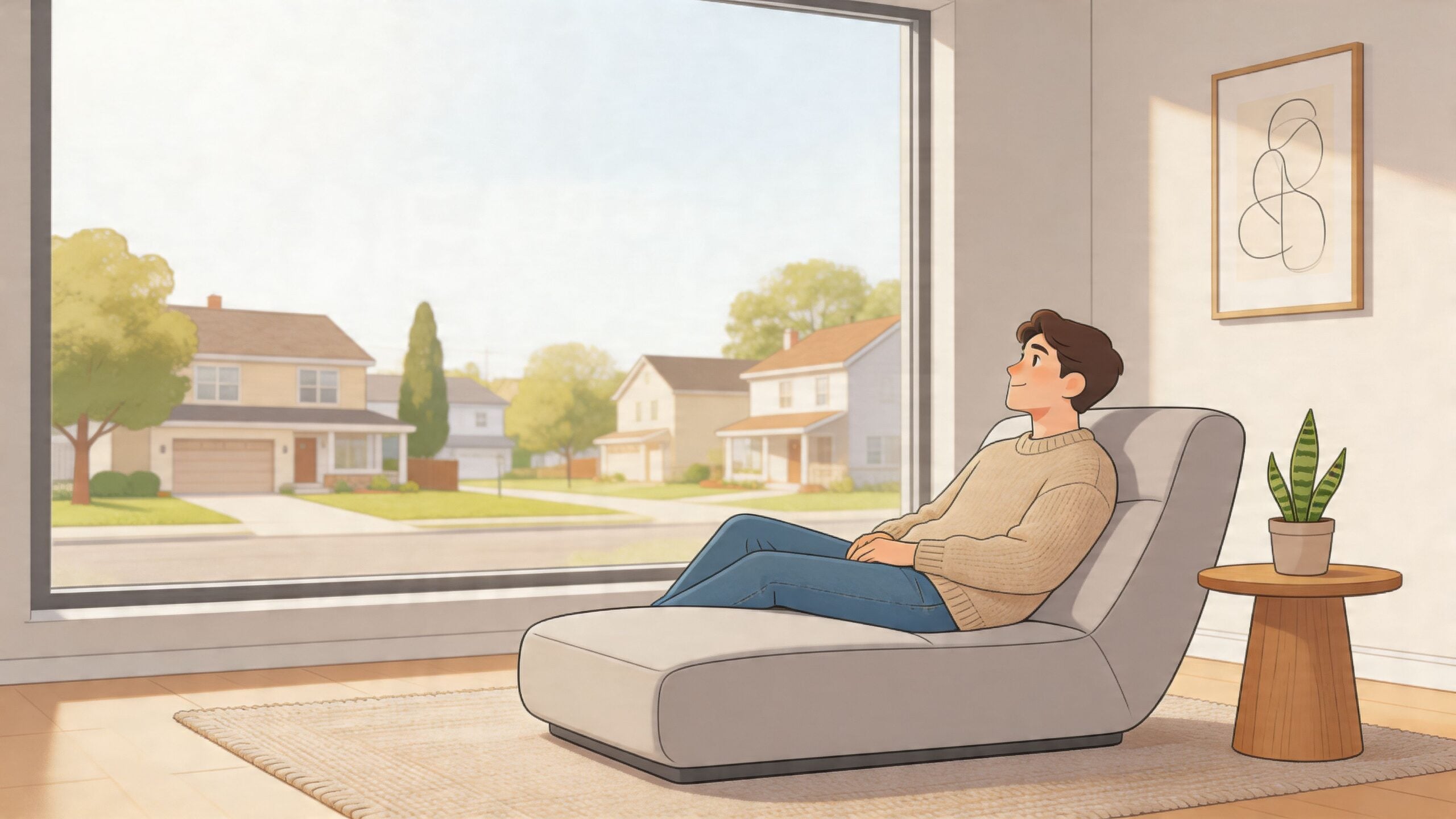
That’s the appeal. An armless lounge chair can feel lighter than a traditional club chair, but it still gives you a defined, comfortable seat. It doesn’t ask for as much visual space, and that matters when you’re trying to keep a room open and welcoming.
Why this shape works in real homes
Many people first notice the style. Clean lines. A less bulky silhouette. A shape that can lean modern, casual, classic, or somewhere in between depending on the fabric and frame.
Then they notice how easy it is to place.
- In a tight corner, it can create a usable nook instead of dead space.
- Next to a sectional, it adds seating without the heavy look of wide arms.
- In a bedroom or office, it can feel relaxed and polished at the same time.
A good armless chair often feels like it belongs in the room without taking over the room.
Why it fits the way people live now
Families don’t always furnish rooms for a single purpose anymore. One area might handle TV time, conversation, reading, and occasional work in the same week. That’s where the armless lounge chair earns its place.
It’s easy to move visually from space to space. It can support a clean layout in a newer open-concept home, but it also works in older homes where every inch needs to count. For many NWI homeowners, that blend of versatility and style is exactly what they’ve been missing.
Understanding the Armless Lounge Chair's Appeal
Some furniture trends arrive loudly and disappear just as fast. The armless lounge chair isn’t one of them.
Its staying power comes from a rare combination. It can be sculptural and practical at the same time. It feels designed, but not fussy. And it has deep roots in furniture history, which helps explain why it still looks right in so many homes today.
A design with real history
The armless lounge chair became a cornerstone of mid-century modern design after its development in the late 1920s. Marcel Breuer is credited with developing the first lounge chair in 1928, and Charles and Ray Eames pushed the category further in 1956 through Herman Miller with molded plywood and leather that brought new comfort to high-end furniture design, as noted in this history of lounge chair design.
That history matters because it explains the chair’s identity. This style wasn’t created as a novelty. It grew out of designers trying to make seating cleaner, more efficient, and more beautiful.
Why people still respond to it
An armless lounge chair has a visual openness that many upholstered chairs don’t. Without arms, your eye reads less bulk. The piece often feels calmer in a room.
That doesn’t mean it disappears. In the right fabric or frame, it can still be one of the most expressive pieces in the house.
Consider how differently the same silhouette can feel:
| Style direction | How the chair changes the room |
|---|---|
| Leather | Feels tailored and architectural |
| Soft woven fabric | Feels casual and welcoming |
| Velvet | Feels dressier and more decorative |
| Exposed wood frame | Feels handcrafted and warm |
It’s not just a small-space chair
People sometimes assume armless means secondary. As if it’s only for corners or overflow seating. That’s too narrow a view.
In many rooms, it becomes the balancing piece. It softens a sectional. It gives a conversation area a better shape. It can even serve as the seat everyone ends up choosing because it feels easy to sink into.
Main takeaway: choosing an armless lounge chair isn’t settling for less chair. It’s choosing a form that has earned its place through both design history and everyday usefulness.
How to Choose the Right Size Armless Chair
The biggest sizing mistake isn’t buying a chair that’s too large. It’s buying one that technically fits, but feels wrong once it’s in the room.
A chair can clear the wall and still interrupt traffic. It can match your style and still sit too high or too low beside your sofa. Good sizing starts with the room, but it ends with proportion.
What the numbers tell you
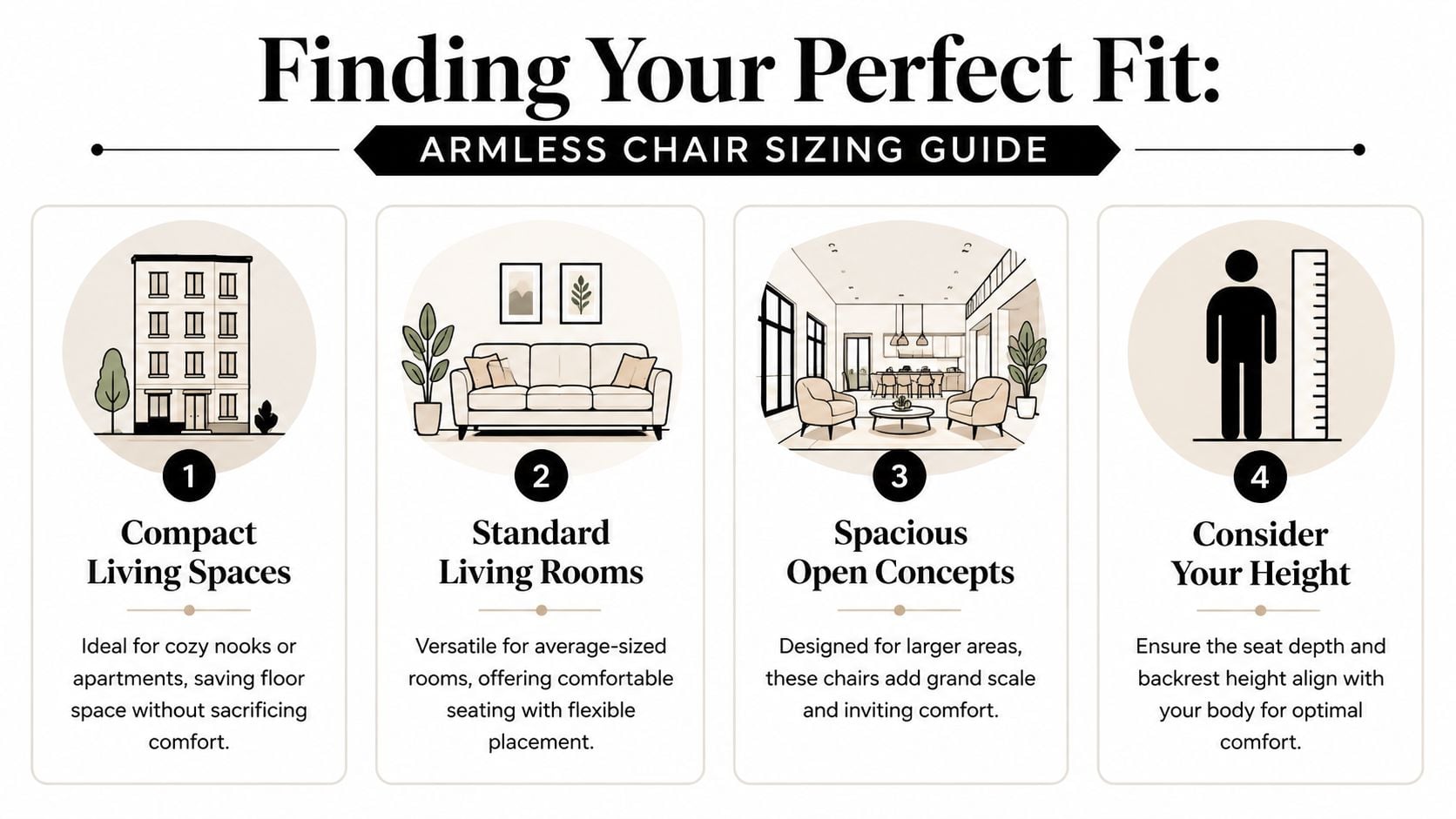
A typical armless chair can be surprisingly compact. The Corda model, for example, has a width of 19.75 inches, a seat height of 18.25 inches, and a 325 lb weight capacity. That narrower profile can reduce spatial footprint by 30 to 44% compared with traditional chairs that need 28 to 40 inches, according to the Corda armless chair specifications.
Those numbers are useful because they explain why this category works so well in apartments, conversation corners, bedrooms, and living rooms that already have a sectional or coffee table in place.
A practical way to measure
Before you fall in love with shape or fabric, measure three things:
The chair zone
Measure the width available where the chair will sit, but also look at how people will walk around it.The relationship to nearby furniture
A chair that’s narrower can still feel oversized if its back is too tall or its seat sits awkwardly beside your sofa.The path into the room
Delivery matters. Doorways, stairs, and turns still count.
If you want a clean measuring checklist, this guide on how to measure furniture is worth reviewing before you shop.
Quick fit guide
- For compact rooms, a narrower armless silhouette often keeps the space from feeling boxed in.
- For family spaces, contract-grade construction and a stronger weight rating can add peace of mind.
- For open layouts, focus on scale, not just width. The chair should feel connected to the sofa, rug, and table nearby.
Practical rule: if you can place a chair without tightening the walk path or making the sofa area feel crowded, you’re usually moving in the right direction.
What shoppers often miss
People usually measure floor space. They forget visual space.
An armless lounge chair tends to read lighter because it doesn’t carry the extra width and mass of side arms. That’s why it can work in rooms where a full recliner or deep club chair would feel heavy, even if the square footage says both will fit.
Choosing Materials for Durability and Style
A chair’s material choice shapes how it feels on day 1 and how it ages after years of real use. That matters even more with an armless lounge chair, because your body interacts directly with the seat, back, and upholstery instead of sharing that contact with padded arms.
A good way to judge materials is to picture a favorite pair of shoes. One pair looks sharp but feels tiring after an hour. Another wears beautifully because the structure under the surface is built well. Chairs work the same way. The fabric catches your eye, but the frame, cushion, and support system decide whether the chair still feels dependable after long evenings of reading, visiting, or watching a full movie.
Start with what’s underneath
For long-term value, the frame and seat construction come first.
A well-made hardwood frame usually gives a residential chair the steady, grounded feel shoppers want in a living room. Solid wood and quality engineered components can both perform well when they are joined properly and designed to resist loosening over time. In our store, families often notice the difference not by looking at the chair, but by sitting down and feeling less sway, less creak, and better support through the seat deck.
That support matters for ergonomics too. In an armless chair, the seat should hold you evenly so you are not sinking more on one side or sliding forward after twenty minutes. If you plan to pair the chair with a sectional, the goal is simple. You want similar sit comfort nearby, even if the pieces do not match exactly.
Custom sizing helps here. Groen’s bespoke options can help you match seat height, seat depth, and overall feel to the furniture you already own, which is often the difference between a chair that looks related to your sectional and one that sits comfortably beside it.
Upholstery changes both style and daily comfort
The outer material does more than set the mood of the room. It changes temperature, texture, maintenance, and how supported the chair feels over longer sitting sessions.
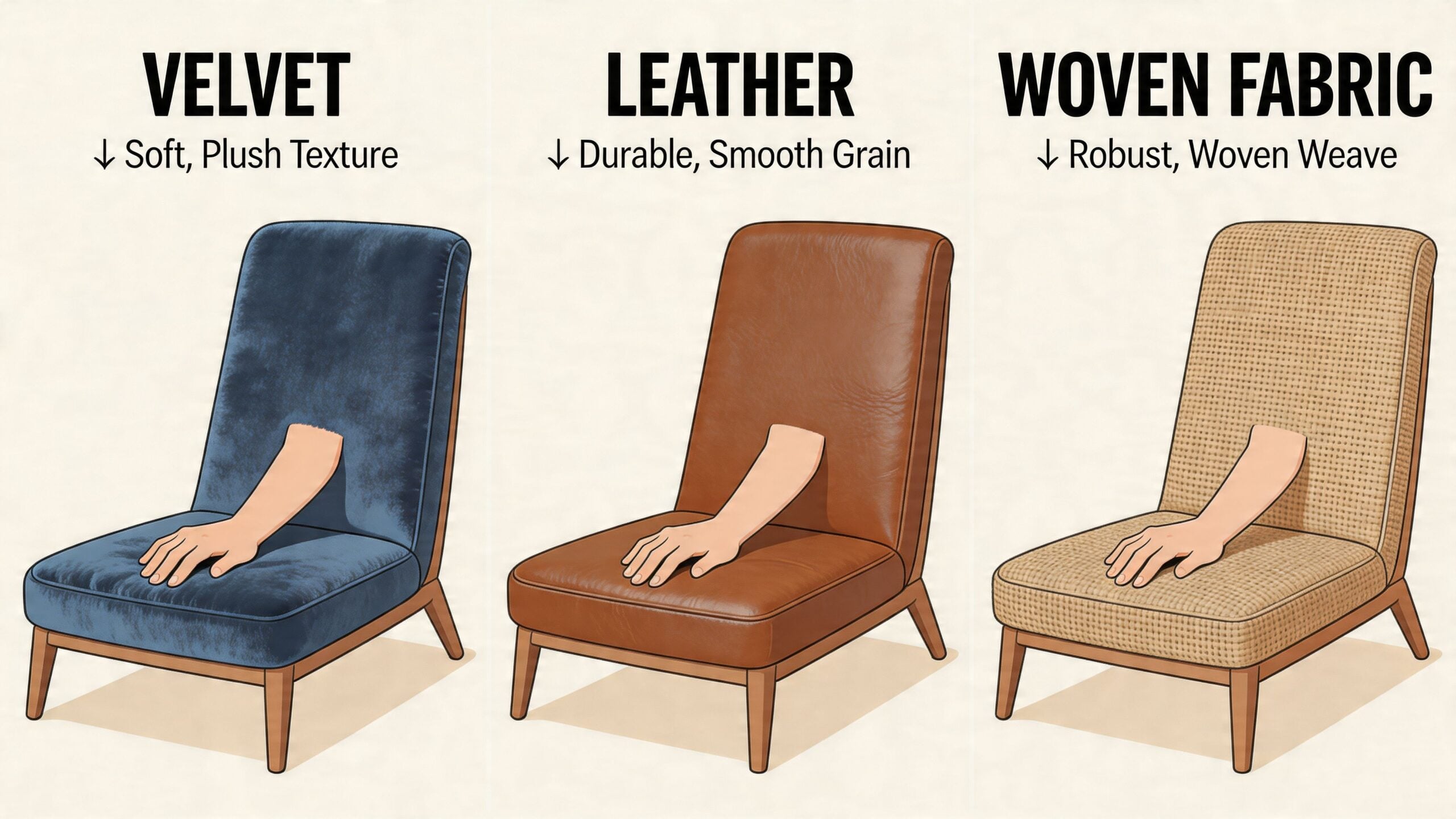
- Leather tends to feel polished and ages with visible character. It can be a strong choice for formal rooms or homes that appreciate patina.
- Velvet feels soft and rich, but it usually asks for a little more care and intention.
- Textured woven fabrics often strike the best balance for everyday living. They feel approachable, hide minor wear well, and suit many styles.
- Performance fabrics and vinyl alternatives can make sense for busy households that want easier cleanup and stronger stain resistance.
If you want a clearer breakdown of fabric pros, tradeoffs, and care needs, this guide to upholstery materials and how they perform in real homes explains the options in plain language.
Durability is really about fit with your routine
The best material is the one that matches how the chair will be used.
A quiet reading corner has different needs than the end seat beside a family sectional where people drop in every night. A chair used for prolonged sitting should have upholstery with enough give to feel comfortable, but not so much stretch that the seat starts to feel sloppy. The fabric should also cooperate with the cushion beneath it. A tightly fitted material can make a supportive cushion feel firmer. A softer, more forgiving textile can make the same chair feel more relaxed.
That is why showroom testing can be misleading. Two armless chairs with similar shapes can feel very different after an hour because of the material wrapped over the cushion and the support beneath it.
| If your home is like this | Consider this direction |
|---|---|
| Kids, pets, frequent use | Durable performance fabric or easy-clean upholstery |
| Formal sitting room | Leather or a richer decorative textile |
| Relaxed family room | Soft woven upholstery with a forgiving texture |
| Mixed-use office and lounge space | Material that feels polished but doesn’t require delicate care |
One more point often gets missed. If your chair will sit next to a sectional, match more than color. Match use level. A delicate fabric beside a heavily used sectional cushion can look tired much sooner, even if both pieces looked perfect together on delivery day.
Choose the material for your daily habits first. Then choose the finish, texture, and color that make the room feel like yours.
Is An Armless Lounge Chair Comfortable for Long-Term Use?
This is the question many shoppers consider.
They like the look of an armless lounge chair, but they worry it won’t be comfortable for a full movie, a long reading session, or an evening of conversation. That concern is fair. Removing armrests does change how the body settles into a seat.
The honest answer
Armless chairs can increase forward lean by 15 to 20% during prolonged sitting. The same ergonomic guidance notes that the issue can be reduced with the right setup, especially a recline angle of 110 to 135 degrees and adequate lumbar support, based on this ergonomic discussion of armless lounge seating.
So the problem isn’t that armless chairs are automatically uncomfortable. The problem is that many are chosen for looks alone.
What supports better long sessions
A comfortable armless lounge chair usually gets three things right:
- The back angle should let you settle back instead of pitching forward.
- Lumbar support should fill the low back rather than leaving a gap.
- Seat proportion should fit your body so you’re not perching at the front edge.
That last point trips people up. If the chair is beautiful but your lower back isn’t supported, you’ll feel it before the evening is over.
If you plan to sit for longer stretches, don’t judge comfort in the first thirty seconds. Sit long enough to notice whether your shoulders relax and your lower back stays supported.
When armless works best
An armless lounge chair often shines for reading, conversation, and relaxed seating where you want freedom of movement. Some people also like it in a home office or hybrid space because it feels less rigid than a desk chair.
If that’s your plan, it helps to compare your options with broader seating guidance. This resource on the best office chair for long hours can help you think through support needs if your chair will do double duty.
A simple comfort test
Sit all the way back. Let your feet rest naturally. Then ask yourself three questions:
- Does your lower back feel held?
- Do you want to lean forward after a minute or two?
- Can you imagine staying there through a chapter, a game, or a full conversation?
If the answer to the first is yes and the second is no, you’re probably on a much better track.
How to Style and Customize Your Armless Chair
The best armless lounge chair doesn’t just fit the room. It fits the room you already have.
That means styling and customization matter as much as the silhouette. A chair can be gorgeous on its own and still feel disconnected if the seat height is off, the fabric fights the sofa, or the scale doesn’t relate to the rest of the space.
Match the chair to what’s already in the room
One common design mistake is seat-height mismatch. An armless chair can look awkward if its seat height differs by more than 3 inches from the sofa beside it. For a balanced look in a typical 15×20 ft living room, a helpful target is 17 to 19 inches for seat height and 32 to 36 inches for back height, according to this armless living room chair sizing guide.
That’s especially useful if you’re pairing the chair with a Bassett sectional or another larger upholstered piece. When heights relate well, the room feels composed. When they don’t, the chair can seem like it wandered in from another house.
Design it your way
Custom furniture offers a real difference. With options like Amish solid wood, Canadel, or other made-to-order choices, you don’t have to settle for “close enough.”
You can often shape the result around your room by choosing things like:
- Fabric or leather selection to echo or contrast nearby upholstery
- Wood finish to connect the chair with tables, flooring, or case goods
- Seat feel that’s more upright or more relaxed
- Scale adjustments that make the piece look intentional with your existing furniture
For shoppers exploring bespoke options, this guide to custom furniture made simple is a helpful place to start.
Style examples that work
A few combinations tend to work especially well in real homes:
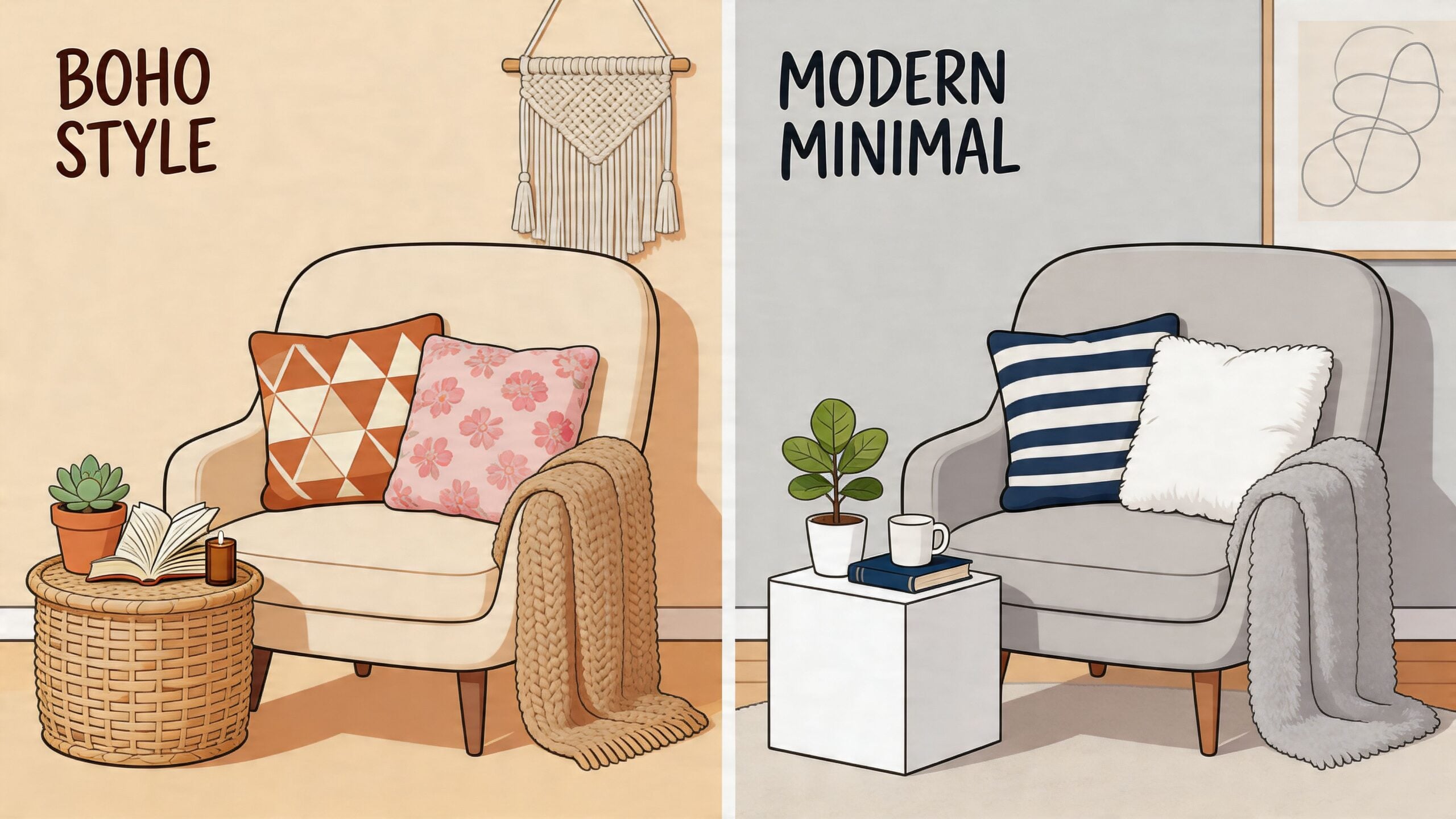
| Existing room style | Armless chair approach |
|---|---|
| Modern sectional with clean lines | Tailored fabric, simple legs, low visual bulk |
| Cozy traditional room | Warm wood tones and textured upholstery |
| Transitional family room | Neutral performance fabric with soft curves |
| Eclectic space | Accent fabric that adds personality without overpowering |
The most successful chair in a room usually repeats one thing and contrasts one thing. Maybe it repeats the sofa color but contrasts the shape. Maybe it repeats the wood tone but contrasts the fabric texture.
A note on refreshing older pieces
If you already own a chair or accent piece that still has good bones, surface updates can sometimes help tie the room together. For decorative projects, some homeowners explore upcycling furniture with vinyl wraps as a way to refresh select pieces without replacing everything at once.
That approach won’t replace true structural quality, but it can be useful when you’re refining a room’s overall look.
Our Promise of Value and Flexible Ownership
Quality furniture should feel like a smart decision, not a stressful one.
That matters with an armless lounge chair because this category often rewards careful choices. Better materials, better fit, and custom options usually pay off over time. The chair looks better in the room, feels better in daily use, and lasts longer than a quick compromise purchase.
Why value matters more than shortcuts
A well-chosen chair isn’t only about today’s need. It’s about how the piece performs through daily life, changing layouts, and growing families. That’s why many shoppers end up preferring honest pricing and lasting construction over flashy promises.
If you’re considering a custom order, American-made upholstery, Amish craftsmanship, or a brand known for durability like Flexsteel or Bassett, flexible buying options can make that choice more comfortable. Special financing can create more buying power while keeping the focus on the piece you want. You can review current options through these furniture financing plans.
A better ownership experience
Ownership also includes everything after the sale.
For many families in Dyer, Crown Point, Schererville, and nearby communities, white-glove delivery matters because it removes the hardest part. You’re not left wrestling a new chair through a doorway or figuring out placement alone. The process feels calmer, more personal, and far closer to what a family-owned store should provide.
Create a Home You Love with Groen's
A great armless lounge chair does a lot at once. It saves visual space, adds flexible seating, and can bring real personality into a room. When the size, support, materials, and styling all line up, it stops being an accent piece and starts becoming one of the seats everyone reaches for first.
That’s also why this decision is worth slowing down for. The right chair should feel good in your home, your routine, and your long-term style. It should work beside your sectional, fit the scale of your room, and still feel like something you’ll love years from now.
For families across Northwest Indiana, that kind of guidance still matters. Since 1983, multigenerational service, thoughtful customization, and five-star care have helped local homeowners furnish their spaces with more confidence and less guesswork.
Visit Groen's Fine Furniture in Dyer or Crown Point today to explore custom options, compare lasting materials, and ask about special financing available with approved credit. Let our family help you test drive the comfort and create a home you love.