Extend Dining Room Table

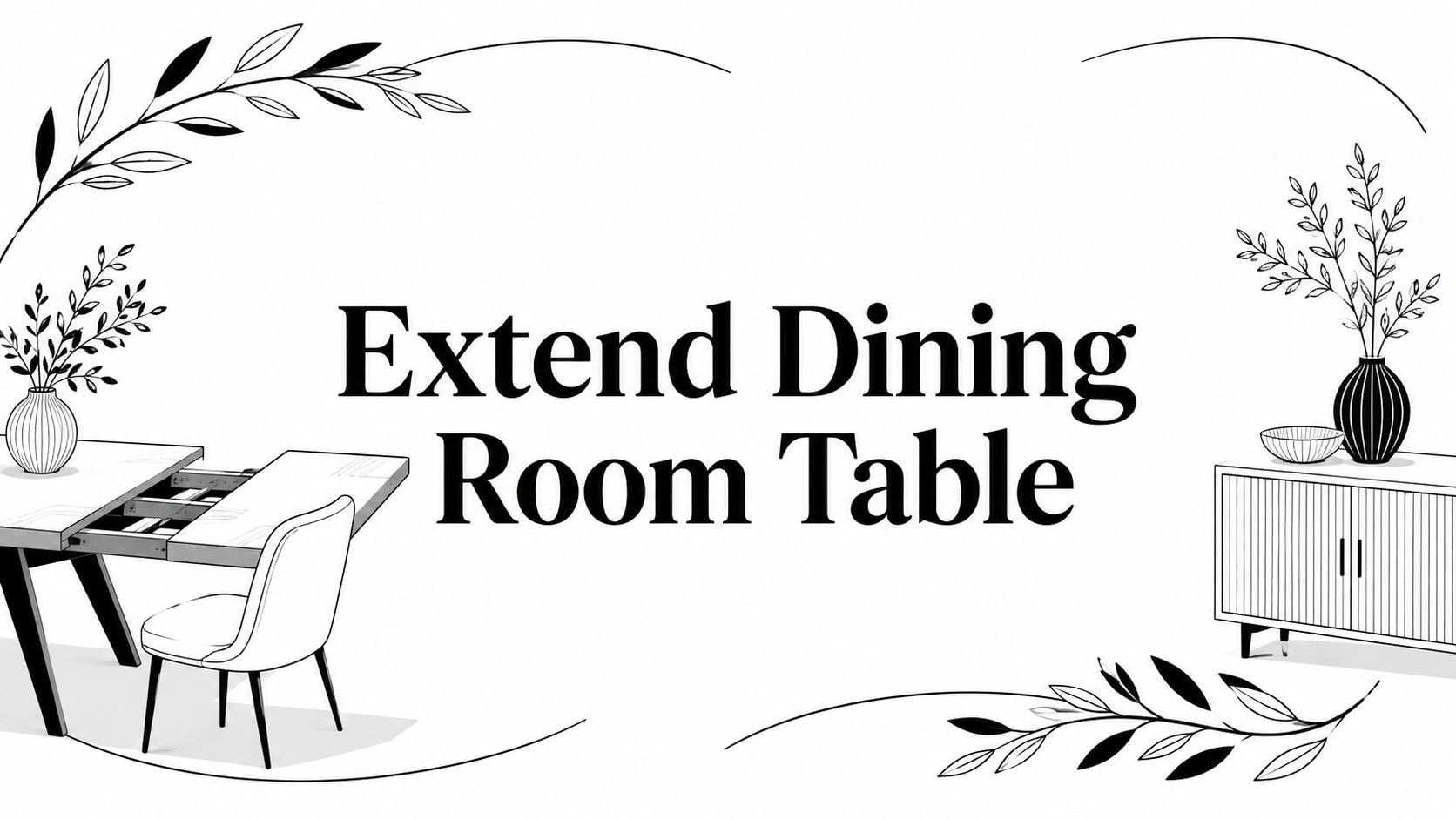
For homeowners in Dyer and Crown Point looking to improve their living space, the dining room rarely does just one job. One week it hosts a full family gathering, the next it holds homework, a laptop, and dinner for three. The right way to extend a dining room table solves that tension without giving up floor space every day, and it starts with treating the table as part of how the room moves.
Why Extending a Dining Room Table Matters for Everyday Living
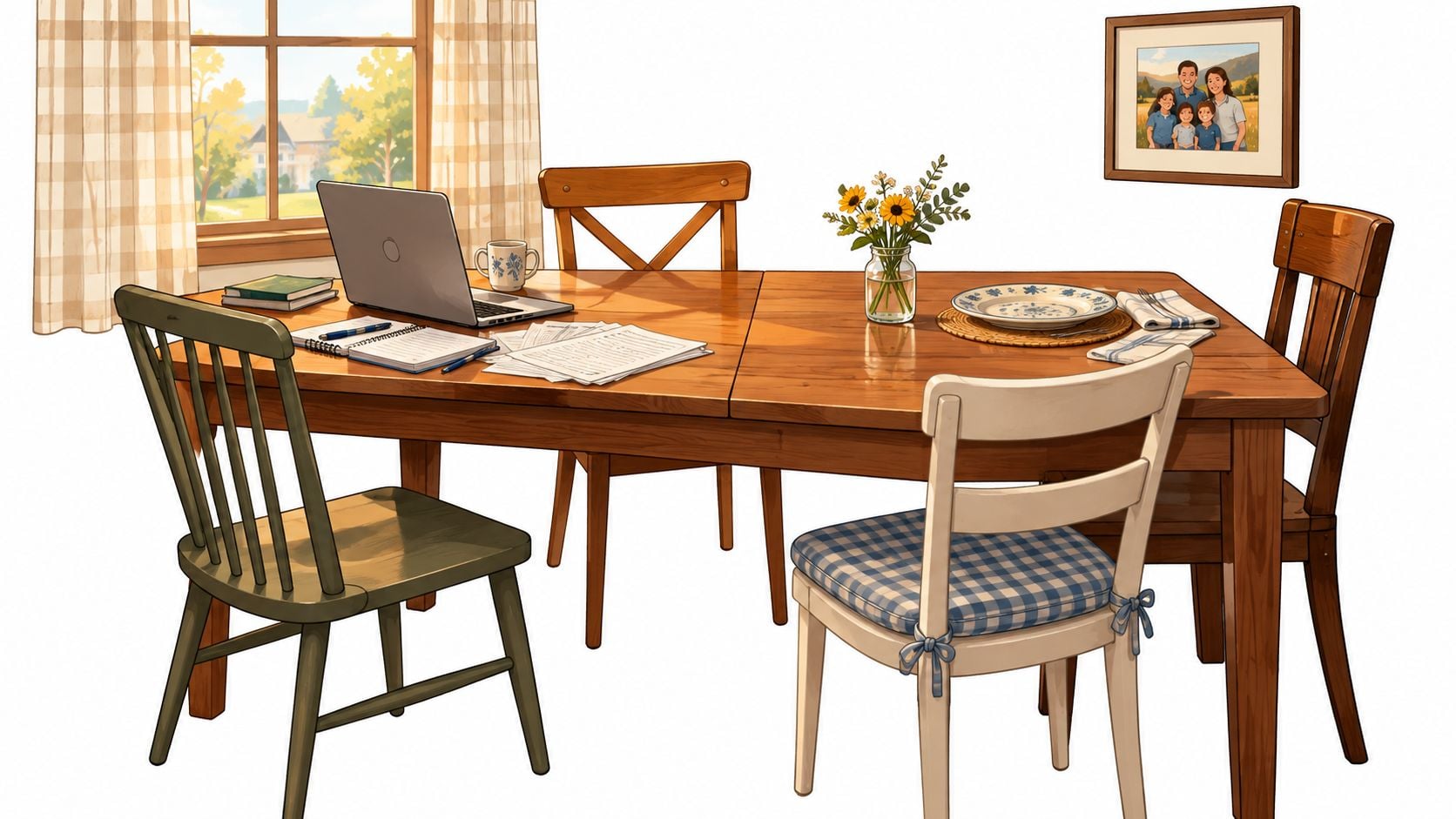
A Dyer family hosting Thanksgiving knows the squeeze. Extra chairs arrive, serving dishes compete for surface, and someone always ends up trapped against the wall. The following Tuesday, that same oversized setup would leave three people shouting across empty wood while homework spreads onto the kitchen counter.
An extendable table removes that forced choice. Closed, it keeps the room open for daily traffic, homework, and remote work. Open, it earns its keep for entertaining. That idea is not new. Extendable dining tables have a documented history reaching back at least to the 18th century, and a folding dining table made in London around 1770 to 1780 in the Victoria and Albert Museum collection could fold down and push against a wall for smaller town houses.
Everyday Comfort Beats Occasional Capacity
The honest recommendation is simple. Buy for the Tuesday, extend for the holiday. A table sized permanently for the largest gathering dominates the room on ordinary days, blocks serving routes, and makes a smaller household feel distant. A well chosen extension protects the room's daily rhythm first.
That principle also shapes the full room plan. Homeowners starting fresh benefit from a practical guide to designing a dining room from the ground up before choosing finishes or chairs. Even table dressing follows the same logic of fit over guesswork, from linens scaled to the extended top to a considered centerpiece, much like the presentation behind an artisanal Italian delicacies brand mark where proportion signals care.
Practical rule: If a table only works on holidays, it's the wrong everyday table, no matter how many seats the tag promises.
For Northwest Indiana households, flexibility is lasting value. A table that flexes supports multigenerational meals, school projects, and quiet mornings without forcing a remodel.
Identify Your Extension Type Before You Touch Anything
Forcing the wrong mechanism is how finishes get scratched and slides get bent. Identification comes first, hands second. Most tables separate into two halves that slide apart on runners, creating a central gap for leaves, and center opening and butterfly systems commonly add about 40 to 50 centimeters while end leaf designs add approximately 40 to 100 centimeters.
The Four Mechanisms Shoppers Meet Most
A butterfly leaf is hinged in the middle. It folds and stores inside the table, then unfolds into the gap. It's the answer for homeowners asking where extra panels will live, and many designs allow one person to operate it.
A drop in leaf works differently. The panel is separate, stored in a sideboard, closet, or under a bed, then set into the opening and aligned on pins. It can feel very solid, but it demands storage discipline and usually a second pair of hands.
Slide apart tops describe the motion rather than the storage. Two halves travel on runners, sometimes with synchronized hardware so both sides move evenly. End leaf designs add panels at the short ends instead of the center, extending reach without splitting the main top.
Shoppers comparing storage options should review how tables with leaves stored inside the table work in daily use before assuming self storing is automatic. It isn't.
Extension Mechanism Quick Reference
| Mechanism | How It Works | Where Leaves Live | Best For |
|---|---|---|---|
| Butterfly | Hinged leaf unfolds into center gap | Inside the table | Small homes, solo setup |
| Drop in | Separate panel set onto pins | Sideboard or closet | Maximum surface solidity |
| Slide apart | Halves travel on runners | Varies by design | Frequent size changes |
| End leaf | Panels attach at short ends | Usually stored separately | Long, narrow rooms |
The common mix up is butterfly versus drop in. If no panel appears when the top opens, it's drop in, and hunting the closet comes before pulling harder.
Measure the Room in Both Closed and Extended Layouts
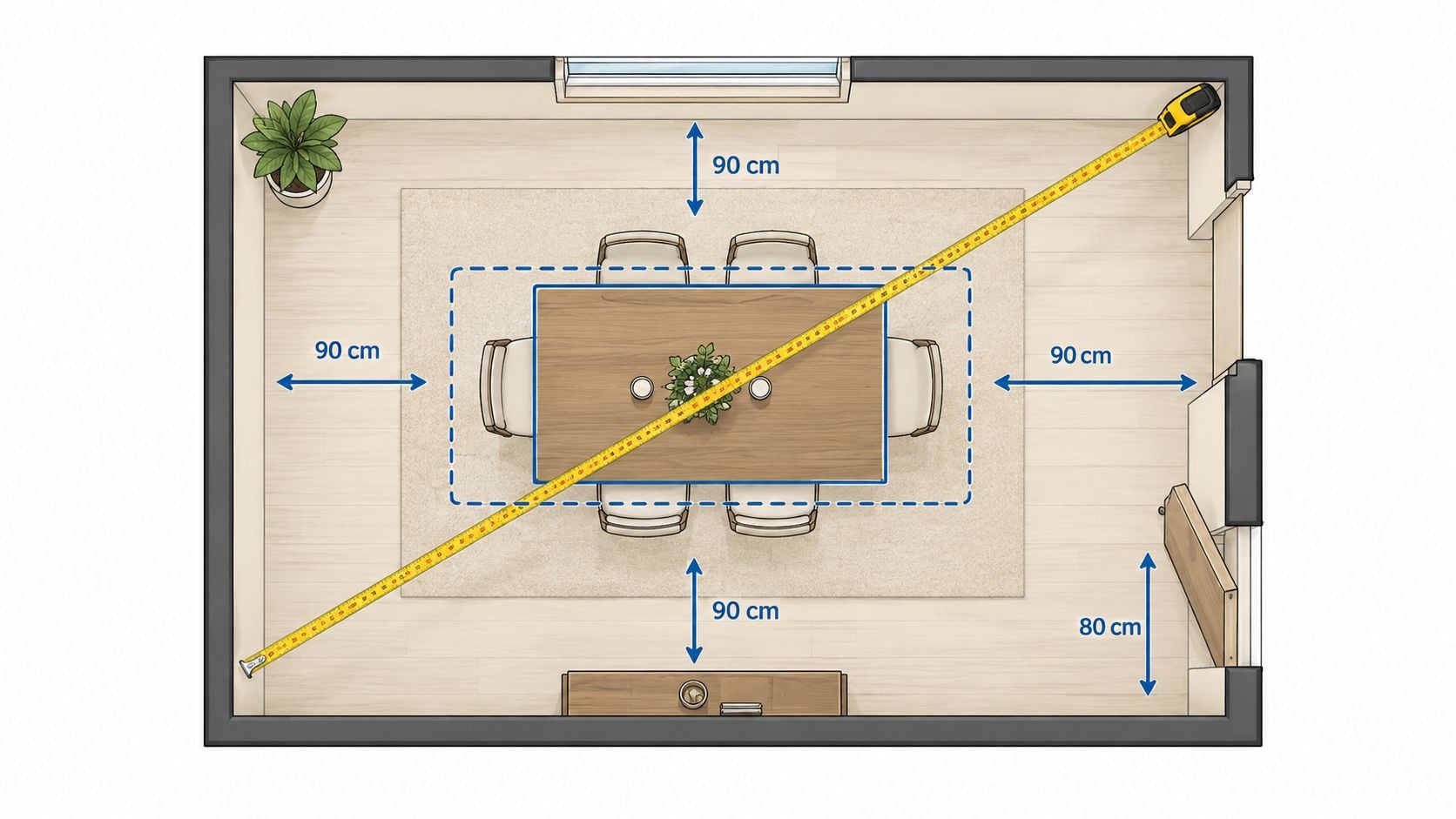
A table that fits closed can fail completely when extended. Planning must start with the fully extended footprint, then work backward to everyday size. That single habit prevents most returns.
Preserve at least 36 in (91 cm) between table edge and walls or furniture for chair pull out, and approximately 44 to 48 in (112 to 122 cm) where people must pass behind seated diners. Seating math matters too. Allow about 24 in (61 cm) of table edge per diner, rising to 28 to 30 in (71 to 76 cm) for wide chairs or long meals.
Run the Floor Tape Test
- Mark both footprints: Tape the closed size, then tape the extended size in a second color.
- Add chair depth: Place the actual chairs, pull them out, and sit down.
- Walk the routes: Carry a serving dish from kitchen to table, check door swings, and confirm the path past seated diners.
- Check the formula: Room length minus 72 inches gives a starting maximum, since maximum table length equals room length minus 72 inches under the 36 inch clearance rule.
Extending by 20 in (51 cm) consumes 10 in (25 cm) at each end if the table stays centered. Once dimensions feel right on the floor, a detailed dining table size guide helps confirm chair counts, and Jolitee tablecloth sizing help keeps linens proportional in both configurations.
A table can technically fit and still make every meal frustrating. Circulation is the real test, not the tape measure alone.
Walk Through Opening, Leafing, and Closing the Table
Calm sequence beats strength. Extension hardware rewards even pressure and punishes yanking from one corner. Before opening, the tabletop should be cleared completely, including centerpieces that shift weight and hide seams.
Opening Without Stressing the Mechanism
Locks come first. Most tables have latches or locking pins beneath the apron, and releasing them before pulling prevents racking. Both halves then move apart slowly, with one person at each end on larger solid wood tables. One person operation suits many center opening designs, but size and weight decide, not optimism.
With a butterfly leaf, the folded panel lifts, unfolds flat, and settles into place. Fingers stay on edges, never near the hinge. With drop in leaves, alignment pins guide the panel down. It should seat without force. If it resists, it's misaligned, and lifting and reseating beats pushing.
- Lift, don't drag: Dragging twists legs and stresses joints.
- Support both halves: Uneven support lets slides bind mid travel.
- Check flush seams: Run a palm across each joint to feel height mismatch.
- Re engage locks: An unlocked extended table can creep apart during a meal.
Closing and Protecting the Finish
Closing reverses the order. Leaves fold or lift out, storage areas stay clean and dry, and halves meet gently until locks click. The table should then sit level, with no rocking when pressure lands near a corner.
Seasonal wood movement deserves respect. Solid panels expand and contract with humidity, so seams that feel tight in winter may ease in summer. That's normal behavior for real wood, provided the mechanism still travels smoothly and leaves seat evenly.
When Standard Sizes Fall Short, Custom-Order Your Fit
Stock sizes assume stock rooms. Many homes in St. John, Schererville, and Munster don't cooperate. Narrow dining areas, open plan layouts, and multigenerational households expose the limits of warehouse dimensions fast.
Where Custom Order Earns Its Cost
Custom makes sense when the room needs a specific closed length, a specific extended length, and chairs that tuck in. It also makes sense for matching an existing finish, choosing a leg style that protects end seating, or specifying apron clearance for taller family members. Shoppers can explore custom solid wood dining table options built to exact specifications rather than compromising on mechanism quality.
Canadel Dining offers a custom dining program with broad combinations of sizes, shapes, and finishes, so the table is designed around the room. Amish solid wood builds serve households wanting heirloom construction, honest joinery, and a finish chosen for generations of meals. Both paths put Custom Furniture ahead of settling.

Groen's Fine Furniture provides custom order guidance for Canadel and Amish dining, along with White-Glove Delivery and Interior Design support in Northwest Indiana. Special Financing, subject to credit approval, gives families buying power to choose solid wood and a quality slide system now while fitting payments to the budget. That's affordable luxury framed plainly, not a shortcut.
Design it your way isn't a slogan when the room is measured first. It's how a bespoke, made to order table avoids the return trip.
Troubleshoot Common Sticky and Uneven-Leaf Problems
Most extension problems start small. A slide that hesitates, a leaf sitting slightly proud, a wobble at the far end. Caught early, they're adjustments. Ignored, they become repairs.
A reliable inspection checks the closed length, each leaf width, and the fully extended length, then confirms leaves seat flush without gaps, since typical leaves run about 12 to 18 in (30 to 46 cm) wide depending on construction. Hardware, slides, and center supports should travel smoothly without racking.
Diagnose Before Forcing Anything
Sticky slides usually mean dust, crumbs, or dried debris in the runner. A soft brush and dry cloth clear most of it. Uneven leaf height often points to a pin not fully seated or debris under an edge. Racking, where one side leads the other, signals uneven pulling or worn synchronization hardware. End wobble on long extensions suggests a center support isn't deployed or isn't level.
Troubleshooting Matrix
| Symptom | Likely Cause | Homeowner Fix |
|---|---|---|
| Sticky slide | Dust or crumbs in runner | Brush clean, open slowly with even pressure |
| Leaf sits proud | Pin misaligned or debris under edge | Lift, clean, reseat without force |
| Gap at seam | Locks not engaged | Close fully and re engage latches |
| Racking motion | One sided pulling | Use two people, move both halves together |
| Wobble at end | Support leg not level | Deploy support and adjust leveler |
Persistent grinding, cracked hardware, or a leaf that won't seat after cleaning means professional service. Routine dusting and finish care matter too, and guidance on how to care for wood furniture protects both top and mechanism.
Plan Your Visit and Answer the Questions Shoppers Ask Most
Testing a mechanism in person answers questions photos can't. Slide smoothness, leaf weight, apron clearance, and chair fit all reveal themselves in thirty seconds on a showroom floor. Groen's family has served Northwest Indiana since 1983, with multigenerational ownership, 5-star service, and showrooms in Dyer and Crown Point.
Questions Shoppers Ask Most
How should accessibility factor in? Test the extended layout with the person who will use it. Neutral universal design guidance recommends 1,200 mm, about 47 inches, of clear space on at least two consecutive sides, and U.S. references identify a 30 by 48 inch clear floor area and a 28 to 34 inch dining surface height. Pedestal bases, opening force, and walker clearance deserve the same attention as style.
Where do leaves go in a smaller home? Self storing butterfly designs solve it. Separate leaves need flat, dry, padded storage where they won't warp or get dinged.
How often does hardware need attention? A quick clean and lock check whenever the table gets extended keeps small issues small. Staff can also discuss Special Financing during a visit, framed as honest pricing and real value.
Families ready to test drive comfort should bring room measurements in both layouts. That single sheet of numbers turns browsing into a confident decision.
Visit Groen's Fine Furniture in Dyer or Crown Point today to explore custom Canadel and Amish extendable dining options, test the mechanisms in person, and ask about special financing plans. Let the family behind Groen's Fine Furniture help create a comfortable, lasting dining room built around real Northwest Indiana life.