Blog
Mattress Shopping Tips: Your 2026 Buying Guide


A mattress problem usually starts small. Someone in Dyer wakes up stiff but blames the yardwork. A couple in Crown Point starts sleeping closer to the edge because the middle feels worn out. A parent in St. John notices they sleep through the night less often, then realizes the mattress hasn't felt right in years.
That's where mattress shopping gets confusing. Stores, brands, labels, and online promises all start to blur together. The main question isn't which mattress has the flashiest name. It's which one helps a person sleep comfortably, support the body well, fit the home, and hold value over time.
For families across Northwest Indiana, mattress shopping tips need to be practical, not abstract. A good guide should help people sort through comfort, support, budget, delivery, and setup without turning the process into homework. It should also treat sleep as part of wellness. For readers navigating life changes that affect rest, this resource on sleep better during perimenopause can be a helpful companion to mattress decisions.
Table of Contents
- Finding Your Best Sleep in Northwest Indiana
- Start With You Your Sleep Style and Budget
- A Guide to Mattress Types and Firmness Levels
- How to Test a Mattress in Our Showrooms
- Logistics From Measurement to White-Glove Delivery
- Let Our Family Help You Find Lasting Comfort
Finding Your Best Sleep in Northwest Indiana
You wake up in St. John or Crown Point with a stiff back, rush through the morning, and tell yourself the mattress can wait one more month. Then one more month turns into a year. We have seen that pattern again and again in our Northwest Indiana showrooms, and it usually ends the same way. A mattress that looked like a simple purchase was really affecting sleep, mood, and how the body feels from breakfast to bedtime.
That is why local help matters. Families in Dyer, Crown Point, Munster, Schererville, and nearby towns are not only choosing between mattress materials. They are also trying to make sense of in-store testing, room measurements, delivery timing, setup, financing, and what to do with the old mattress. A family-owned store that has served Northwest Indiana since 1983 can walk through that whole process in one place, which makes the decision feel a lot less confusing.
A mattress should support daily wellness, not just fill a bedroom.
Shoppers are also stepping into a busy category with a wide range of choices. The Better Sleep Council's mattress buying guide explains how mattress materials, support systems, and comfort layers can vary in ways that are not obvious from a quick glance or a price tag. That matters because two beds can look similar on the sales floor and still feel very different after a full night of sleep.
For local readers who want to compare nearby showroom options first, this guide to top rated mattress stores near me is a useful starting point.
Some shoppers feel stuck before they even lie down on a bed. They worry about spending too much, choosing a model that sleeps too warm, or bringing home a mattress that looks fine in the store but feels wrong after a week. Couples often face another layer of confusion when one person wants more cushioning and the other needs steadier support.
Health changes can add to that uncertainty too. For example, readers dealing with changing sleep patterns may want to learn how to sleep better during perimenopause, since temperature swings and restless sleep can shape what feels comfortable at night.
A good mattress buying process works like trying on shoes with the right socks, on the right surface, in the right size. The goal is not to pick the bed with the flashiest label. The goal is to match the mattress to the person, the home, and the way life works here in Northwest Indiana.
Start With You Your Sleep Style and Budget
A good mattress search starts before anyone steps into a showroom. It starts with the person who will sleep on it every night, and with an honest price range that fits the household.

That sounds simple, but many Northwest Indiana shoppers do the reverse. They spot a sale tag first, then try to make their body fit the bed. After years of helping families in Dyer, Crown Point, and nearby towns, we can say this clearly. A mattress works more like a pair of work boots than a decorative pillow. If the fit is wrong, the problem shows up night after night.
Questions worth answering before shopping
Before you compare models, get clear on a few basics about your own sleep.
- Primary sleep position. Side sleepers often need more cushioning at the shoulders and hips. Back and stomach sleepers usually do better with a flatter, steadier feel.
- Body build. Weight affects how much a sleeper settles into the comfort layers. One mattress can feel plush to one person and firm to another.
- Temperature habits. Hot sleepers may prefer materials and designs that hold less heat and allow more airflow.
- Partner needs. Couples often care about motion transfer, edge support, and whether both people can rest comfortably on the same surface.
- Room and furniture setup. Mattress size should match the bedroom, bed frame, and how the room is used every day.
For readers who want a closer look at position-based comfort, this guide on how to choose the right mattress for your sleeping style breaks that down in plain language.
Families shopping for kids' rooms may also run into size questions before they ever compare comfort layers. Our partner resource on selecting the right bunk bed mattress can help with that part of the decision.
Practical rule: Fit the mattress to the sleeper first. Then fit the purchase to the budget.
Set a budget that matches real life
Mattress pricing can feel confusing because the category includes entry-level guest room options, everyday primary beds, and more premium builds meant for heavier nightly use. A better way to shop is to set a realistic spending range before you test anything.
Quality mattresses usually fall into a broad band rather than one perfect price point, as noted earlier in the article. Higher cost can reflect better materials, thicker comfort layers, or stronger support. It does not guarantee better sleep. The goal is long-term value, not the highest number on the tag.
That matters here in Northwest Indiana because the total purchase is often more than the mattress alone. Delivery, setup, financing options, and old mattress removal can all shape what the purchase really costs and how easy the process feels. At a family-owned store, those practical details are part of the buying decision, not an afterthought.
Think in budget bands, not one magic number
Many shoppers do better with a range than a fixed ceiling. For example, a household might decide it feels comfortable shopping between one amount for a guest room and a higher amount for the main bedroom where support and durability matter more.
That approach takes pressure off the decision. It also helps couples compare tradeoffs more calmly. One mattress may feel fine for five minutes. Another may reduce motion better, support the lower back more evenly, and hold up longer under nightly use.
Financing can help some families spread out that investment so they do not have to choose between monthly breathing room and a mattress that suits their needs, subject to credit approval. In our part of Indiana, many neighbors want the whole process handled in one place. Try the beds in person, talk through budget clearly, arrange delivery, and have the old mattress hauled away without extra running around.
A mattress purchase goes more smoothly when the shopper knows two things before walking in. How they sleep, and what they can comfortably spend.
A Guide to Mattress Types and Firmness Levels
A mattress category is a little like a recipe. The ingredients change the feel, and the feel changes who sleeps well on it. Once shoppers understand what is inside the bed, the wall of options in a showroom starts to make sense.
Many neighbors who visit our Northwest Indiana stores in Dyer and nearby communities are not choosing between every mattress on the market. They are usually narrowing down a practical question. Do they want the buoyant feel of coils, the closer contour of foam, or a mix of both that balances comfort and support? That is the point where a local showroom helps. You can lie on each type, compare them side by side, and connect the label to what your body feels.
The main mattress types, in plain language
A widely used mattress overview from Forbes Vetted on YouTube groups mattresses into five common categories: foam, innerspring, hybrid, latex, and airbed. Those labels sound technical at first, but the day-to-day differences are straightforward.
| Mattress Type | What It Feels Like | Great For… |
|---|---|---|
| Innerspring | Lifted, springy, and steady | Sleepers who want easier movement and a firmer, more traditional feel |
| Foam | Contouring and body-cradling | Sleepers who want pressure relief and closer shaping around the body |
| Hybrid | Cushioned on top with support underneath | Couples, combination sleepers, and shoppers who want a middle ground |
| Latex | Responsive and supportive with less sink than many foams | Shoppers who want pressure relief with a buoyant feel |
| Airbed | Adjustable feel based on settings | Households focused on customizable firmness |
Three of these categories drive most in-store comparisons. Innerspring, foam, and hybrid models cover the needs of many households, whether someone wants a guest room mattress, a primary bedroom upgrade, or a bed that works for two people with different comfort preferences.
How firmness works with sleep position
Firmness is not about picking the hardest bed you can tolerate. It is about keeping the body level enough to support the spine while giving heavier pressure points room to settle in.
A side sleeper usually needs more cushioning at the shoulders and hips. A back sleeper often feels better on a surface that supports the lower back without letting the midsection sag. A stomach sleeper usually needs a firmer feel so the torso does not dip too far and pull the spine out of line.
Body weight changes the equation too. A mattress can feel softer to one person and firmer to another, just as the same sofa cushion feels different to a child than to an adult. That is why firmness labels should be treated as a starting point, not a promise.
How the common types feel in real life
Innerspring mattresses tend to feel more open and easier to move on. Many shoppers who say they dislike feeling “stuck” in bed start here. They often appeal to back and stomach sleepers, or to anyone who likes a more traditional sleep surface.
Foam mattresses shape more closely around the body. That closer contour can help relieve pressure at the hips and shoulders, which is why side sleepers often notice the difference quickly. Warm sleepers should still compare models carefully, because foam designs can vary quite a bit in how they handle heat.
Hybrid mattresses blend a coil support core with comfort layers on top. That combination often works well for couples because it can offer support, pressure relief, and better motion control in one bed. Shoppers weighing the differences can read this guide on a hybrid vs innerspring mattress.
Latex mattresses usually feel buoyant rather than huggy. They can suit sleepers who want cushioning but still want to feel more on the mattress than in it.
Airbeds let users adjust firmness settings. They are less common on a typical showroom floor, but they can make sense for households focused on changing comfort levels over time.
The right mattress rarely announces itself with a dramatic first impression. The better sign is quieter. Your shoulders relax, your hips settle, and your body feels supported without effort.
For families buying for children or shared rooms, size and profile matter just as much as feel. Safety rails, bunk clearances, and mattress height all affect the final choice. This guide on selecting the right bunk bed mattress is helpful for those setups.
In our stores, this part of the process is hands-on. Neighbors can compare mattress types in person, ask what changes from one model to the next, and then pair that choice with financing options, white-glove delivery, and old mattress removal if needed. That makes the purchase easier to handle from first test to first night at home.
How to Test a Mattress in Our Showrooms
Many shoppers can describe what they dislike about their current mattress. Fewer know how to test a new one correctly. That's why an in-person visit matters. A mattress shouldn't be judged by a quick sit at the corner or a hand pressed into the top.

Consumer Reports recommends that shoppers spend at least 10 to 15 minutes lying on a mattress in their typical sleep position to evaluate support and pressure relief, not just a quick sit-down test, in this mattress buying guidance.
What to do during the test
A useful showroom test looks a lot like real sleep, minus the blanket.
- Lie down in the actual sleep position. A side sleeper should spend time on the side. A back sleeper should stay on the back long enough to notice whether the lower body sinks too much.
- Try more than one position if sleep changes during the night. Many people don't stay in one posture until morning.
- Notice the shoulders, hips, and lower back. Pressure points often show up gradually, not in the first few seconds.
- Check the edge. Sit near the side, then lie near it. That helps reveal whether the bed feels stable for dressing, reading, or sharing.
What a quick test misses
A mattress can feel soft and inviting for one minute, then start feeling unsupportive after ten. Another can seem firmer at first but hold the spine in a better line once the body settles.
That's one reason local showroom testing is so valuable for families in Dyer and Crown Point. Instead of guessing from product descriptions, shoppers can test drive the feel in real time and ask practical questions about break-in, support, and day-to-day use. A local retailer such as Groen's Fine Furniture can pair that testing with guidance on adjustment periods, setup, and service, all in one visit.
For shoppers who worry a mattress feels different at home during the first few weeks, this article on how to break in new mattress helps explain what that adjustment period can feel like.
Ten calm minutes on a mattress usually reveal more than ten product tags.
Logistics From Measurement to White-Glove Delivery
A mattress can be the right comfort and still be the wrong purchase. That happens when it doesn't fit the frame, can't make the turn up the stairs, sits poorly on the support system, or arrives without a plan for setup and removal.
Those details aren't glamorous, but they matter. They often make the difference between a smooth upgrade and a frustrating week.
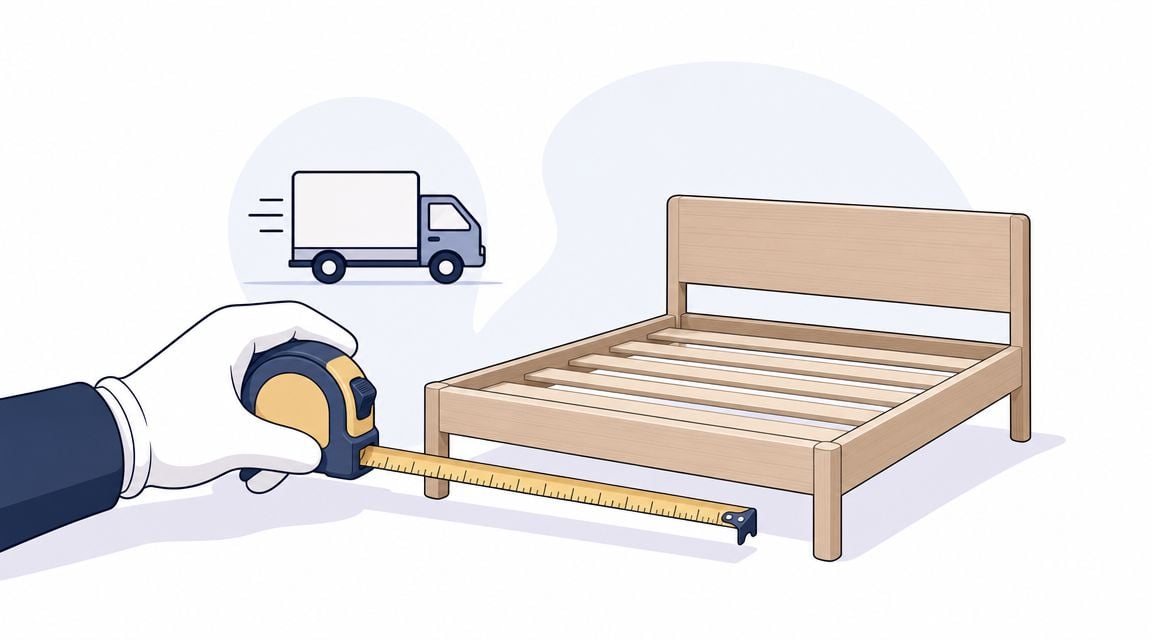
Fit before feel
Independent mattress advice consistently points shoppers to one overlooked step. Measure first.
That means more than checking the labeled mattress size. It means verifying the inside width and length of the bed frame at the tightest points, looking at slat spacing and center support, and thinking through the delivery path into the room. This is especially important with platform beds, storage beds, inherited frames, adjustable bases, and custom solid wood furniture where the usable opening may not match assumptions.
A few practical checks help:
- Measure the frame interior. The mattress should fit the actual opening, not the name printed on the tag.
- Inspect the support system. Slats and center support need to match the mattress and foundation requirements.
- Walk the route. Hallways, stairwells, corners, and doorways can create problems after purchase, not before.
- Confirm bedroom clearance. A thicker mattress can change the height of the bed and affect nightstands or footboard space.
Shoppers planning a full bed update can also use this guide on how to choose the best bed mattress size for your home to think through room scale and sleeping space together.
Policy details that matter at home
Sleep trials and return terms deserve close attention before any paperwork is signed. Many brands and retailers offer a trial period of around 90 to 100 nights, and it can take the body about 30 days to adjust to a new sleep surface, according to this mattress trial guidance. The same guidance advises shoppers to check for fees, restrictions, and any reduced return flexibility on clearance or floor models.
That means a smart buyer asks direct questions.
- How long is the home trial if one is offered?
- When can comfort concerns be reported?
- Are there return fees or pickup conditions?
- Do floor samples or clearance pieces carry different terms?
Policies matter most after the excitement of buying fades.
Why delivery service changes the experience
For many families in St. John, Schererville, Munster, and nearby communities, white-glove delivery removes the most stressful part of mattress replacement. It helps ensure the bed is placed correctly, setup is handled carefully, and old mattress disposal can be coordinated rather than left as an afterthought in the garage or driveway.
That service matters even more when the purchase includes an adjustable base, a heavy hybrid mattress, or a solid wood frame. The goal isn't just delivery. It's completion. The room should be ready to use, and the household should know the next steps if the mattress needs time to settle in.
Let Our Family Help You Find Lasting Comfort
Good mattress shopping tips don't push people toward one universal answer. They help each household make a clearer decision. A side sleeper with shoulder pressure, a back sleeper who wants stronger lumbar support, and a couple trying to reduce motion transfer may all need different solutions, even if they start with the same budget.
For Northwest Indiana families, the process usually works best when it follows a simple order. Start with sleep style. Compare mattress types and firmness carefully. Test the finalists long enough to notice support. Measure the room and frame. Then review delivery, trial, and return details with the same care used to judge comfort.
That kind of buying process protects long-term value. It also supports sleep wellness in a very practical way. Better rest can make daily life feel steadier, especially when the mattress matches both the body and the home around it.
What lasting value really looks like
Lasting value isn't only about how long a mattress holds up. It also includes whether the purchase was made thoughtfully.
- A well-matched feel helps the sleeper stay comfortable in the position they use most.
- A realistic budget plan keeps the decision from becoming financially stressful.
- A measured setup prevents preventable problems with frames, stairs, and room fit.
- A service plan makes delivery, setup, and old mattress removal easier on the household.
Special financing can also play an important role for shoppers who want better buying power while staying within a responsible plan, subject to credit approval. That can be especially helpful when a family is balancing mattress comfort with a larger bedroom refresh, custom furniture decisions, or an adjustable base.
The right mattress is the one that fits the sleeper, the home, and the household's long-term plans.
For homeowners in Dyer, Crown Point, and surrounding NWI communities, mattress shopping doesn't have to feel overwhelming when the process is handled step by step.
Visit Groen's Fine Furniture in Dyer or Crown Point today to explore custom options, experience comfort in person, and ask about special financing plans. Let a multigenerational Northwest Indiana family business help create a home that feels comfortable, lasting, and personal.