Blog
How to Arrange Living Room Furniture for Flow and Comfort in Dyer and Crown Point


For homeowners in Dyer, Crown Point, St. John, Schererville, Munster, and across Northwest Indiana (NWI), your living room should not only look inviting—it needs to flow effortlessly and reflect our family-owned values since 1983. Start by thinking through measuring, focal points, traffic paths, and seating groups. These four foundational moves will set you up for a space that feels both open and comfortable.
Our team at Groen’s Fine Furniture brings multigenerational ownership and 5-star service to every layout, and with Special Financing (subject to credit approval), you can achieve affordable luxury without compromise. Ready to design it your way? We’re your neighbors in NWI, offering Custom Order Services for bespoke, made-to-order solutions.
Quick Steps For Arranging Living Room Furniture
- Measure Your Space
Grab a tape measure and note wall lengths plus any must-keep clearance zones before you shuffle sofas or chairs. - Identify a Focal Point
Whether it’s a fireplace, a TV screen, or a sunlit window, anchor your seating around that visual centerpiece. - Plot Traffic Paths
Aim for at least 30 inches of walking room behind your main seating areas so guests can glide through without a shuffle. - Group Seating
Pull sofas and chairs close to a rug and coffee table. It’s amazing how much cozier conversation feels when everything’s within arm’s reach.
“A smart layout makes a room feel bigger while keeping everyone connected.”
— Groen’s Design Team
You might also find fresh ideas in our guide on 3 Uncommon Furniture Arrangements that Work Wonders.
Here’s a compact view of those key moves:
Summary Of Key Steps
| Task | What You’ll Do |
|---|---|
| Measure | Map dimensions and mark clearance zones with a tape measure |
| Choose Focal Point | Center seating on a fireplace, TV, or a picture window |
| Plan Traffic Path | Leave 30 in. of space behind chairs and main traffic routes |
| Group Seating | Arrange around a rug and coffee table for cozy gatherings |
Keep this table handy when you’re sketching plans or visiting our Groen’s Fine Furniture Showrooms.
With these four moves under your belt, you’re ready to dive into styling and scale in the rest of the guide.
Measure Space And Identify Focal Points
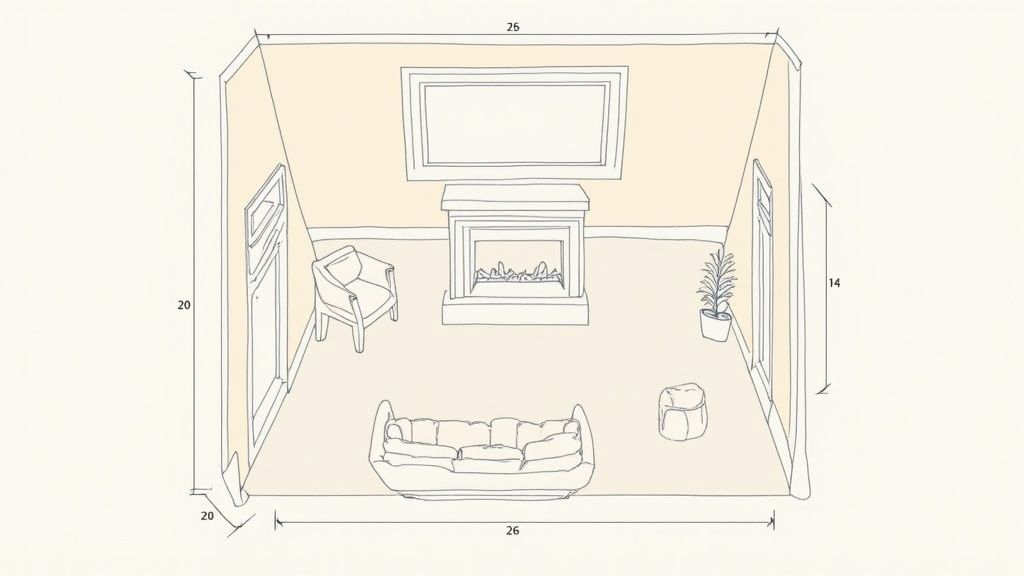
Pull out a tape measure, notebook and pencil before you start. It only takes a few minutes, but you’ll thank yourself when every piece fits perfectly.
Jot down each wall’s length, window sill height and the clearance you’ll need to walk around furniture. Sketching these numbers on paper brings clarity—no more guessing if the coffee table will block a doorway or a sofa will crowd the hall.
- Map wall lengths accurately to reflect true room dimensions.
- Record window heights so seating doesn’t obstruct your view.
- Reserve 30–36 inches of clearance around main pathways.
Take a step back and spot your room’s natural anchor—the fireplace, TV or wide picture window that draws the eye. Your main sofa and key chairs should revolve around this focal point.
In our Crown Point showroom, we once built an Amish solid-wood sofa to nestle into an angled bay window. That custom design not only felt cozy but also highlighted the room’s unique architecture.
Calculate Seating Emphasis
Consider the primary sofa as the centerpiece. It typically takes up 30–32% of your total seating focus, which keeps conversations intimate and visuals balanced.
Global demand for living room furniture reached USD 213–238 billion in the mid-2020s, so you’ve never had more options. Still, starting with accurate floor measurements, reserving 30–32% seating emphasis and allowing 30–36 inches of clearance makes all the difference.
Learn more about living-room market findings.
“Begin layouts by measuring and marking sightlines for every seat to ensure no guest misses the view.”
— Groen’s Design Team
After you’ve mapped sightlines to fireplaces, TVs and windows, tweak each seating spot for comfort. This step stops guests from twisting awkwardly during movie nights or living room chats.
- Keep 30–36 inches clear along primary walkways.
- Allow 18–24 inches behind chairs for easy in and out.
- Double-check furniture depth against wall distances before ordering.
Mark Sightlines Clearly
Draw arrows on your floor plan to trace sightlines from sofas and chairs to focal points. If you like, lay down string or painter’s tape to test angles in real time.
- Aim for 45° viewing angles from seats to TVs or the hearth.
- Center furniture on picture windows to capture the view without glare.
This hands-on approach prevents multiple furniture moves, saving your floors and your patience.
American-made modular sectionals—like Flexsteel’s performance fabrics—are perfect for snug Schererville spaces. Pair that flexibility with our Custom Order Services when standard sizes fall short.
Check out our guide on how to measure furniture to dive deeper into precise mapping before you shop or plan.
With exact dimensions in hand and focal points locked in, you’re all set to design a living room that flows naturally.
Next, we’ll plan traffic flow to keep pathways unobstructed.
Plan Traffic Flow And Seating Arrangements
Arranging a living room isn’t just about picking beautiful pieces—it’s about creating pathways that feel effortless. Once you’ve measured your space and pinpointed focal points like a fireplace or TV, carve out at least 18 to 24 inches behind seating to keep traffic moving and doors swinging freely.
In one cozy 13×15-foot living room we redesigned in Dyer, a simple shift of the armchair toward the corner opened up a central walkway. No more stumbling over coffee tables or guests squeezing past the sofa.
Testing these routes before moving heavy furniture can save headaches. Grab painter’s tape or cut cardboard to the size of each piece, lay it down, then walk the path. You’ll spot pinch points quickly—plus, you’ll protect hardwood from unexpected scratches.
Whether you’re dealing with a snug den or an airy open-plan loft, these same clearance rules apply. The goal is always the same: every guest should breeze through the room without a second thought.
Understanding Clearance Zones
Clearance zones help you visualize how furniture affects foot traffic and overall flow. Here’s a quick rundown:
- Single chairs: allow 18 inches behind for easy exit.
- Sectional modules: keep 24 inches free to rotate pieces by up to 90 degrees.
- Coffee tables: surround with 12 inches for snack-time comfort.
Recommended Clearance Guidelines
Use this chart as a handy reference whenever you’re plotting out your living area.
| Furniture Type | Minimum Clearance (inches) | Recommended Clearance (inches) |
|---|---|---|
| Single Seating | 18 | 24 |
| Sectional Sofa | 24 | 30 |
| Coffee Table | 12 | 18 |
Keep these numbers nearby as you tape out your layout or sketch floor plans. They’ll ensure smooth circulation and prevent awkward bottlenecks.
Using Modular Sectionals For Flexibility
Modular sofas have become a go-to for homeowners who need furniture that adapts on the fly. Swap out a chaise, rotate a corner piece or reconfigure an L-shape so the room feels fresh every season.
A client in Schererville swapped her bulky recliner module for a Flexsteel unit. She reclaimed her entryway’s swing path and still enjoys the same performance-fabric comfort on movie nights.
“A small shift in angle can open up a room without losing seating intimacy.”
— Groen’s Design Team
For more on why modular pieces are trending, check out the full research on modular living-room furniture trends.
Grouping Seating Around Rugs And Tables
Building conversation clusters turns a random sofa-and-chairs setup into a welcoming gathering spot. Aim to keep seating no more than 8 feet apart—close enough for easy chatter, far enough to avoid elbow knocks.
- Lay down an area rug that fits your main sofa and at least the front legs of adjacent chairs.
- Pivot seats inward at a slight angle to encourage eye contact.
- Place coffee or side tables within 14 to 18 inches of sofas for convenience.
- Tuck in an Amish-built bench from our Dyer showroom when extra guests arrive.
These vignettes make hosting feel instinctive. Flip a sectional’s orientation to switch from TV-watching mode to a work-from-home nook in seconds.
Don’t forget to note outlet spots and lighting—floor lamps or wall sconces should land right where you plan to read or chat. Before delivery day, test those traffic lines one more time.
Learn more about ideal layouts in our article on calculating the best placement for your sofa and television.
Our Dyer and Crown Point showroom teams are always ready to walk you through these guidelines in person. Ask about our White-Glove Delivery to have each piece set just right.
With pathways clear and seating groups defined, you’re all set to add the finishing touches: lighting, pillows, and styling that turn your living area into a truly comfortable home.
Living Room Layout Ideas For Different Room Sizes
Every home tells a story, and your living room is the main stage. When you tailor furniture arrangements to your room’s size, the whole space feels more purposeful. Whether you’re dealing with a snug apartment or a sprawling great room, there’s a layout that keeps traffic flowing, highlights focal points, and makes daily life easier.
Smaller areas demand smart planning, while larger footprints let you play with zones and seating clusters. Let’s dive into how to shape your space for comfort, conversation, and style at every scale.
Living Rooms Under 150 Square Feet
Tiny living rooms thrive on furniture that hugs walls or floats without blocking walkways. A slim-profile loveseat—like our narrow Flexsteel model—or an Amish bench tucked under a window adds seating without stealing precious floor space.
- Choose an apartment-friendly sectional that fits flush against a wall yet still seats four.
- Slip a slender console table behind your sofa for extra surface space.
- Go for chairs with exposed legs to keep sightlines open.
- Anchor everything on a pale-colored rug so the room feels airy, not heavy.
One Schererville homeowner chose an Amish-built storage bench that doubles as extra seating and hides throws. It opened the layout and banished clutter at once.
If you’re curious, ask our family team about those Amish storage benches—they’re perfect for stashing blankets or kids’ toys. And thanks to our furniture financing guide, you can bring custom solutions home without stretching your budget.
You might also enjoy our guide on selecting best furniture for small living rooms in our article Best Furniture for Small Living Rooms.
This concept map visualizes key elements—clearance, grouping and rotation—for smooth traffic flow when you arrange living room furniture.

The radial layout highlights how keeping 18–24 inches of clearance and clustering seating prevents bottlenecks.
Mid Sized Living Rooms
Spaces between 150 and 300 square feet hit the sweet spot between cozy and versatile. You can float a modular sectional in the middle and still let an area rug anchor your conversation nook.
- Tuck a sectional into a corner, opening the centre for easy movement.
- Pair two accent chairs around a round ottoman to break up straight lines.
- Add a Canadel side table beside your Bassett sofa for an instant bar zone—perfect for evening cocktails without disrupting the main seating.
Large Rooms Over 300 Square Feet
When your living room tops 300 square feet, zoning becomes your best friend. Floating seating groups renew intimacy, and layered rugs mark each distinct area.
- Cluster two Bassett armchairs facing a Canadel side table for quiet chats.
- Pull sofas away from walls to create natural pathways.
- Layer one rug under the main sofa set and another beneath accent chairs.
- Anchor your sectional with a console table behind it for storage and style.
In a Crown Point townhome, our design team angled a Bassett armchair pair and custom Canadel table at 45°. The result? A dual-zone layout that feels both spacious and snug.
Styling And Lighting For Large Rooms
Big rooms invite texture, layers, and warmth. Think woven baskets, performance fabrics, and solid-wood accents that balance scale.
- Mix floor lamps, table lamps and sconces to shift the mood from bright daytime to cozy evenings.
- Hang art or family photos above each seating cluster to visually tie zones together.
- Weave in tall greenery or low ceramics between groups to soften sightlines and add personality.
“A well-defined cluster in a large room feels intimate, even within generous square footage.”
— Groen’s Design Team
We back every piece with White-Glove Delivery and expert Interior Design support. Stop by Groen’s Fine Furniture in Dyer or Crown Point to explore in-stock and custom living room collections—ask about our Special Financing options today.
Explore Custom Furniture And Financing
At Groen’s Fine Furniture, we hate seeing living rooms compromised by one-size-fits-all sofas and tables. That’s why we offer Custom Furniture featuring Amish solid-wood sofas, Canadel dining pieces, and more—made to order for homes in Dyer, Crown Point, or anywhere in NWI.
- Bespoke Builds let you pick the wood species, finish color, and trim details.
- Fabric Collections span performance weaves, premium leathers, and stain-resistant blends.
- Dimension Options adapt to bay windows, angled corners, or open-concept footprints.
- Custom Sofa Beds with Serta & Beautyrest innersprings deliver sleep wellness for overnight guests—see our Helpful Mattress Guide for details.
Learn all about our flexible payment plans in our furniture financing guide.
How Customization Works
The best designs start with a chat. You’ll meet one of our in-house designers to share ideas, review fabric swatches, and explore finish samples.
- Choose a frame and silhouette that fits your vision.
- Pick upholstery and stain options that highlight your décor.
- Approve a detailed digital proof with every dimension spelled out.
- Schedule white-glove delivery once your piece comes off the line.
“Design it your way” is more than a slogan—it’s our promise to build furniture that feels inherently yours.
Case Study From Munster
Last spring, a Munster homeowner needed a sectional for a narrow bay window. Standard sofas looked bulky and left gaps. We crafted a custom piece that hugged the bay, preserved floor space, and maintained clear sightlines.
| Feature | Custom Option | Standard Option |
|---|---|---|
| Fit | Exact bay window dimensions | Generic depth and width |
| Finish | 12 hardwood stain choices | Fixed veneer colors |
| Payment Plans | 6–12 month terms available | Full payment upfront |
Thanks to a manageable installment plan, they brought home a luxury sectional in weeks. Today, their living room is a cozy gathering spot that balances style with function.
Our family has served NWI since 1983, so every custom order receives honest pricing and personal attention from start to finish.
From a Canadel dining set that defines an open-plan area to an Amish bench crafted for a window seat, we guide you through each decision. Our teams in Crown Point and Dyer ensure your vision becomes reality.
Ask about our White-Glove Delivery and in-home design.
Visit Groen’s Fine Furniture in Dyer or Crown Point today to explore these custom solutions and ask about our Special Financing plans. Let our family help you create a home you love.
Styling Techniques And Scale Advice
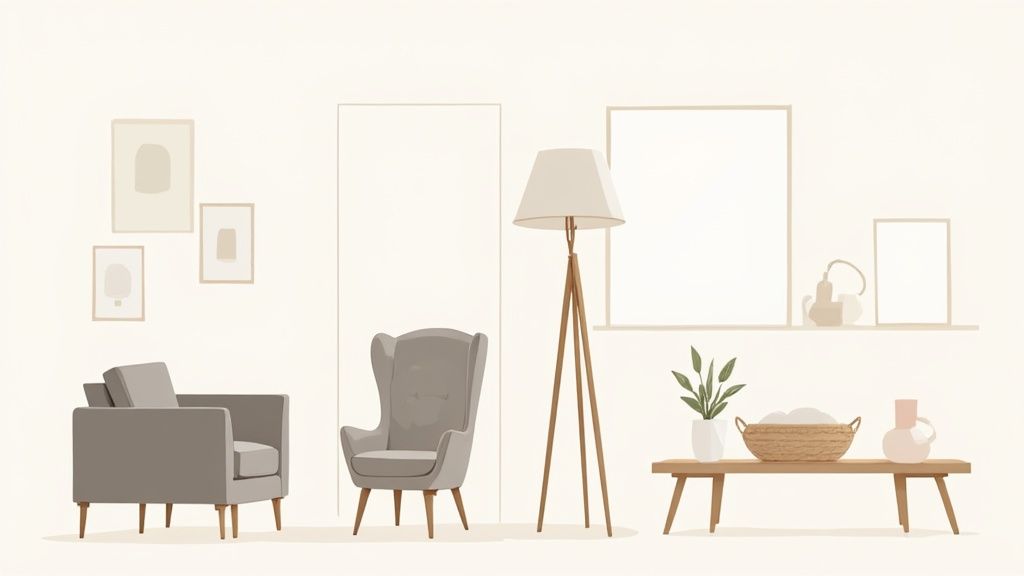
Once your main pieces—sofa, chairs, coffee table—are locked in, it’s styling that transforms the space. Layering different textures brings rooms to life: think a solid-wood table with its rich grain, alongside a sleek performance-fabric sofa and handwoven baskets for a hint of organic warmth.
Lighting plays a starring role, too. Combine floor lamps, table lamps and subtle accent fixtures so your living room feels bright and airy by day and relaxed come evening.
- Solid-Wood Tables anchor the center and infuse natural warmth
- Performance Fabrics resist stains while keeping things modern
- Woven Accessories like baskets or stools add texture plus handy storage
Small accents—throw pillows, cozy blankets—let you introduce color and pattern in measured doses. And by using still-to-scale visuals, you’ll see exactly how each piece fits before you commit.
Before you dive into accessories, take a fresh look at your seating arrangement. Ideal conversation zones keep chairs about 6–8 feet apart, with side tables sitting within 14–16 inches of sofas.
Texture Layering And Depth
Mixing materials elevates a room from predictable to personal. Try a jute rug under a sturdy wood coffee table, then drape a velvet throw over a low-profile bench. Vary pillow sizes—18×18, 20×20, 22×22—to echo sofa dimensions and pull in hues from wall art or treasured heirlooms.
“Mixing textures lets every guest discover a new detail, turning a room into an experience.”
— Groen’s Design Team
Don’t forget scale. A low sofa beside a tall floor lamp creates drama. Flip it: a high-back armchair next to a compact ottoman ensures both pieces shine.
Balancing Scale And Proportions
Keeping everything in harmony means following a few simple rules:
- Match lamp height to the back of your sofa—aim for 6–8 inches taller
- Hang art or mirrors at about 60 inches off the floor, at eye level
- Choose pillows in mixed dimensions (18×18, 20×20, 22×22) to resonate with seating scale
| Element | Recommended Height | Purpose |
|---|---|---|
| Floor Lamp | 6–8 inches above sofa | Balances seating scale |
| Table Lamp | Elbow height (24–30 inches) | Provides reading light |
Here’s a pro tip: anchor your color palette with local art or cherished family pieces. It roots your design in Northwest Indiana’s heritage and makes the room uniquely yours.
For homeowners in Dyer or Crown Point, our Custom Order Services let you tailor pillow sizes and finishes down to the last stitch—plus Special Financing keeps luxury styling within reach.
Rotate accessories seasonally to keep things fresh, and don’t shy away from mixing natural tones with a few metallic accents. Follow these styling techniques and scale guidelines, and you’ll have a living room that’s both balanced and wholly inviting. Next up: FAQs to tackle your remaining questions on arranging living room furniture.
FAQs About Living Room Furniture Arrangement
Navigating layout puzzles becomes second nature after furnishing hundreds of Dyer and Crown Point homes over the years. We’ve gathered the questions that pop up most often — from carving out open-plan zones to nailing the right clearance and finding financing for made-to-order pieces.
Common Layout Questions
How Do I Arrange Furniture In An Open-Plan Living Area?
It starts with defining each zone so your room doesn’t feel jumbled. A simple trick: anchor seating groups on area rugs, then layer lighting to frame those spots.
For instance, float a sofa and matching chairs around a generous rug, and slip a slim console or bookcase behind the sofa to hint at where the dining area begins. That way, you keep an airy vibe without sacrificing clarity.
• Anchor Conversation areas on an appropriately sized rug (all legs on or at least the front two).
• Divide, Don’t Block by choosing low-profile consoles or open shelving to break up sightlines gracefully.
What’s The Best Way To Choose A Focal Point If I Have Both A TV And Fireplace?
First, decide which element sees more action. If family movie nights top the list, swivel seating to face the screen. On quieter evenings, let the fireplace take center stage and tuck chairs with a side table nearby for cozy reading nooks.
Balance is key: flank your mantel with art or accent chairs to draw the eye without creating competition.
“Balancing focal points ensures every seat enjoys a view without competing for attention.”
— Groen’s Design Team
Key Measurement Guidelines
How Much Clearance Should I Leave Between Furniture Pieces?
Giving furniture room to breathe makes moving around effortless. Aim for 18 inches behind single chairs and 30–36 inches along major walkways. When it’s time to mock up your layout, painter’s tape or cardboard templates are lifesavers.
| Situation | Minimum Clearance | Recommended Clearance |
|---|---|---|
| Single Seating Passthrough | 18 in. | 24 in. |
| Main Walkway | 30 in. | 36 in. |
Financing And Custom Orders
Can Special Financing Help Me Afford Custom Furniture?
Absolutely. Our flexible financing options (subject to credit approval) let you spread payments on American-made Amish sofas, custom Canadel tables, or a Serta sleeper sofa with Beautyrest innersprings for guest comfort. That way, you don’t have to compromise on materials, finishes, or scale.
How Do I Arrange Furniture In An Irregular Space?
Embrace the quirks by going custom. In Munster, we designed a sectional that hugged an angled bay window so every seat enjoys the view and the flow stays intact. Collaborating with our design team means no guesswork on measurements—every inch counts.
Feel free to reach out for hands-on layout advice.
Visit Groen’s Fine Furniture showrooms to explore options.
Groen’s Fine Furniture Showrooms