Mattress Foundation vs Box Spring: The Right Choice for 2026

A new mattress usually starts out as a fun purchase. Then the practical question lands fast. What should go under it?
That's where many Northwest Indiana shoppers get tripped up. A homeowner in Dyer buys a new hybrid mattress, a family in Crown Point updates an older guest room, or a couple in St. John moves into a new house and wants the whole bed to feel right from day one. The mattress gets the attention. The base often gets guessed.
That guess can be expensive. The wrong support can change how a bed feels, shorten its useful life, and create warranty problems that could've been avoided with one clear decision. A better place to start is with honest guidance, not sales pressure. For shoppers who want a broader local mattress-shopping roadmap, this helpful mattress store guide for Northwest Indiana is a smart companion read.
A Solid Foundation for Great Sleep in Northwest Indiana
Sleep Wellness starts with support. Not just the mattress itself, but the full sleep system under it.
Families across Munster, Schererville, and Crown Point often ask the same thing after choosing a mattress: should the bed sit on a box spring, a foundation, or the frame alone? The answer isn't one-size-fits-all, but it also isn't mysterious. The right choice comes down to the mattress type, the frame design, and the support the manufacturer expects.
Practical rule: Buy the mattress and the support system as one decision, not two separate purchases.
That matters even more now because today's mattresses aren't built like older beds. Many shoppers still use the phrase “box spring” to mean any base under a mattress, but that old habit causes confusion. In many cases, a shopper isn't looking for a box spring at all. A rigid foundation or a platform setup is often the better fit.
In Northwest Indiana homes, this plays out in real-life ways. A taller bed might make getting in and out easier. A lower profile may suit a modern Bassett bed frame. A heavier sleeper may need a firmer, flatter base. A Serta or Beautyrest hybrid may need support that won't flex underneath the foam layers.
Clear advice saves time, money, and frustration. It also leads to better rest, which is the whole point.
What Is a Box Spring and What Is a Foundation
The terms sound interchangeable. They're not.
What a box spring actually is
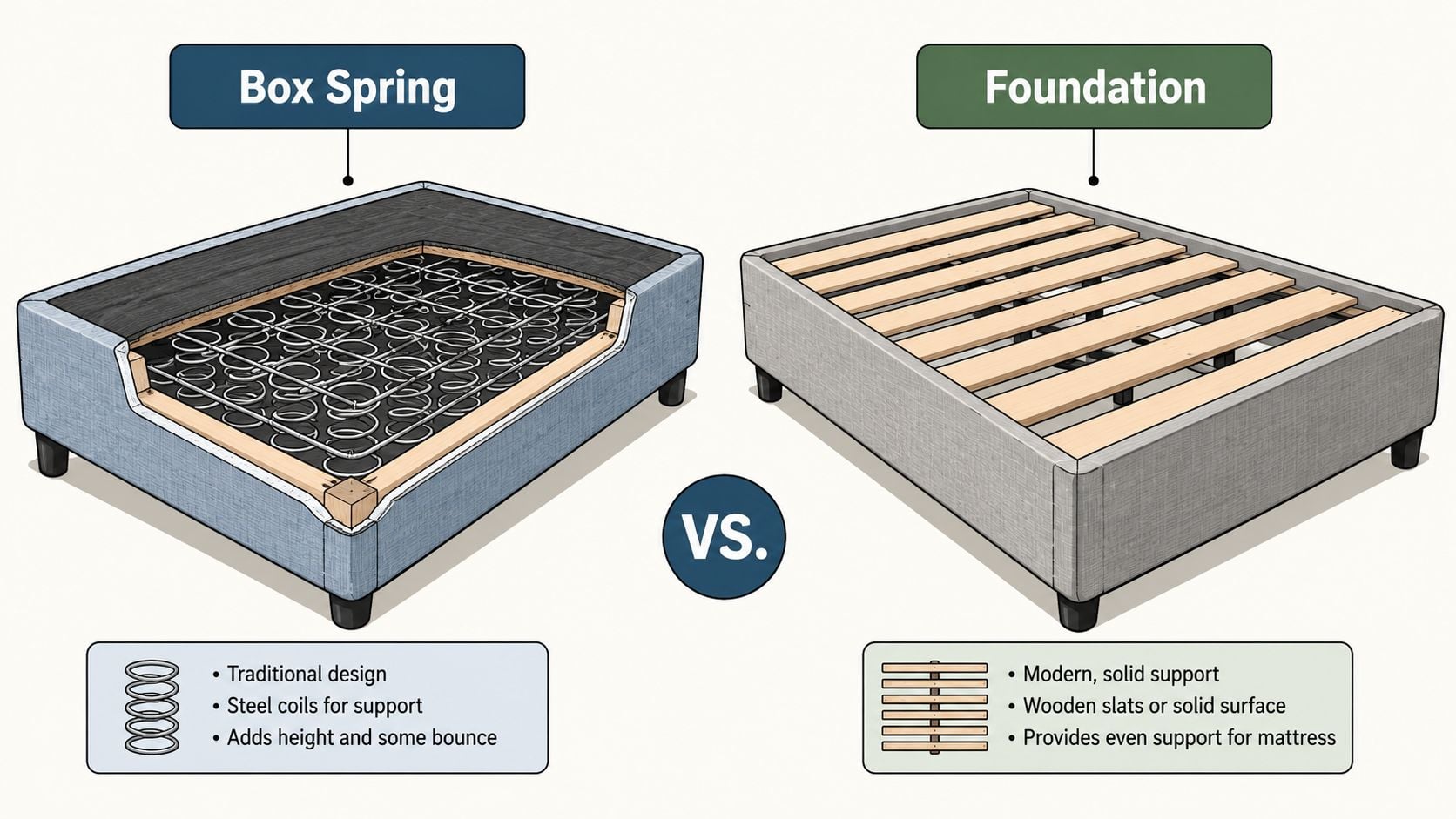
A box spring is an older support system built with a wood frame and internal steel coils. Those coils add flex and shock absorption. That design was made for traditional innerspring mattresses, where the spring unit in the base worked with the spring unit in the mattress.
The clearest technical definition comes from this explanation of mattress support construction, which notes that box springs contain steel coils for shock absorption, while foundations use rigid wood, metal, or composite framing for modern foam, latex, and hybrid beds.
That “give” was useful when mattresses were simpler and lighter. It isn't automatically useful now.
What a foundation is
A foundation is rigid. It usually uses wood or metal construction with no internal coils. Its job is simple: hold the mattress flat and steady without bounce or flex.
That rigid support is what many modern mattresses need. Memory foam, latex, and hybrid designs depend on an even base so the comfort layers and support core can do their jobs properly. When the support underneath bends too much, the mattress above it can wear unevenly.
A detailed breakdown of why older support systems still matter in some setups appears in this guide on when a box spring is still needed.
Why the distinction matters now
The biggest mistake shoppers make is using old language for new products. They say “box spring” when they really mean “base.”
That's a problem because modern mattresses from lines such as Serta and Beautyrest often include foam or hybrid construction. Those beds usually perform best on a rigid, non-flexing surface. A true box spring changes the feel. In some cases, it can create support issues instead of solving them.
A box spring adds movement. A foundation removes it. That's the key difference most shoppers need to understand.
For most current mattress buyers, the question isn't “Do these two products look similar?” The question is “Does this support system match how the mattress was engineered?”
Head-to-Head Comparison Construction Support and Cost
A support base should match both the mattress and the frame under it. That is where many shoppers in Northwest Indiana get tripped up. They buy a great mattress, then put it on the wrong base and wonder why it never feels quite right at home.
Here is the plain answer. For most current mattresses, a foundation is the better buy. It gives steadier support, fits more bed styles, and usually holds up longer. A box spring still has a place, but that place is smaller than it used to be.
Mattress Foundation vs. Box Spring At a Glance
| Feature | Mattress Foundation | Box Spring |
|---|---|---|
| Construction | Rigid wood, metal, or composite support with no coils | Wood frame with internal steel coils |
| Feel | Firm, steady, less flex | More bounce and give |
| Best for | Foam, latex, hybrid, and most mattress types | Traditional lightweight innerspring mattresses |
| Durability | Built for long-term, steady support with fewer parts to wear out | More prone to wear because the support system flexes over time |
| Noise | Usually quieter | Can squeak as coils wear |
| Weight support | Better for heavier mattresses and heavier sleepers | Less ideal for dense modern mattresses |
| Value | Better long-term support for most buyers | Best only in narrower use cases |
For shoppers who want another practical perspective on choosing between foundation and box spring, that guide also helps frame the decision around mattress type and bed setup.
Support and feel
This is the difference you notice on night one.
A box spring gives the bed more motion. Some sleepers like that springier feel, especially with a classic innerspring mattress made for that kind of flex. A foundation keeps the surface flatter and more even, which is usually the better match for today's denser mattresses.
That matters in real homes, not just on a sales floor. A heavier hybrid on a flexible base can feel less stable near the middle or edges. A rigid foundation lets the mattress perform the way it was built to perform.
Construction and compatibility
Construction decides compatibility.
If the mattress is made with thick comfort foams, dense support layers, or a hybrid coil system, a rigid base is usually the safer choice. If the bed frame uses slats, height rails, or a headboard setup with specific clearance needs, the right foundation can solve those fit issues without changing the mattress feel.
The choice becomes a personal one. One household wants a tall traditional bed. Another wants a cleaner, lower profile for a newer bedroom set. One sleeper buys a lighter innerspring. Another brings home a heavier hybrid and needs stronger support from the frame up. The base has to fit the whole setup, not just the label on the mattress.
Durability and long-term cost
A cheap base turns an expensive mattress into a disappointing purchase.
Foundations usually win on durability because they have fewer moving parts. Box springs flex by design, and that repeated movement can lead to sagging, noise, and weaker support over time. When that happens, the mattress above it often starts feeling uneven long before the mattress itself is worn out.
That is why I tell shoppers to think past the ticket price. A lower upfront cost does not mean better value if you are replacing the base sooner or cutting into the comfort life of the mattress.
Height, style, and room setup
Height is not a small detail. It changes how the bed looks, how easy it is to get in and out, and how the frame works with the room.
Some Northwest Indiana shoppers want the taller, more traditional profile they grew up with. Others want a lower, cleaner look that fits newer furniture and platform-style designs. Both are valid. The right answer depends on the frame, the sleeper, and the mattress sitting on top.
If you are sorting through those options, this guide to options better than a box spring gives a clearer look at modern base choices.
Noise and upkeep
Older coil systems are more likely to squeak. Rigid foundations are usually quieter.
For light sleepers, that alone can make the decision easy. A base should disappear once the bed is set up. No creaks. No shifting. No extra motion every time your partner rolls over.
That is what good support should feel like. Solid, quiet, and built for the mattress you chose.
When to Choose Each A Guide for Your New Mattress
The right answer depends on the mattress first. The frame comes next.
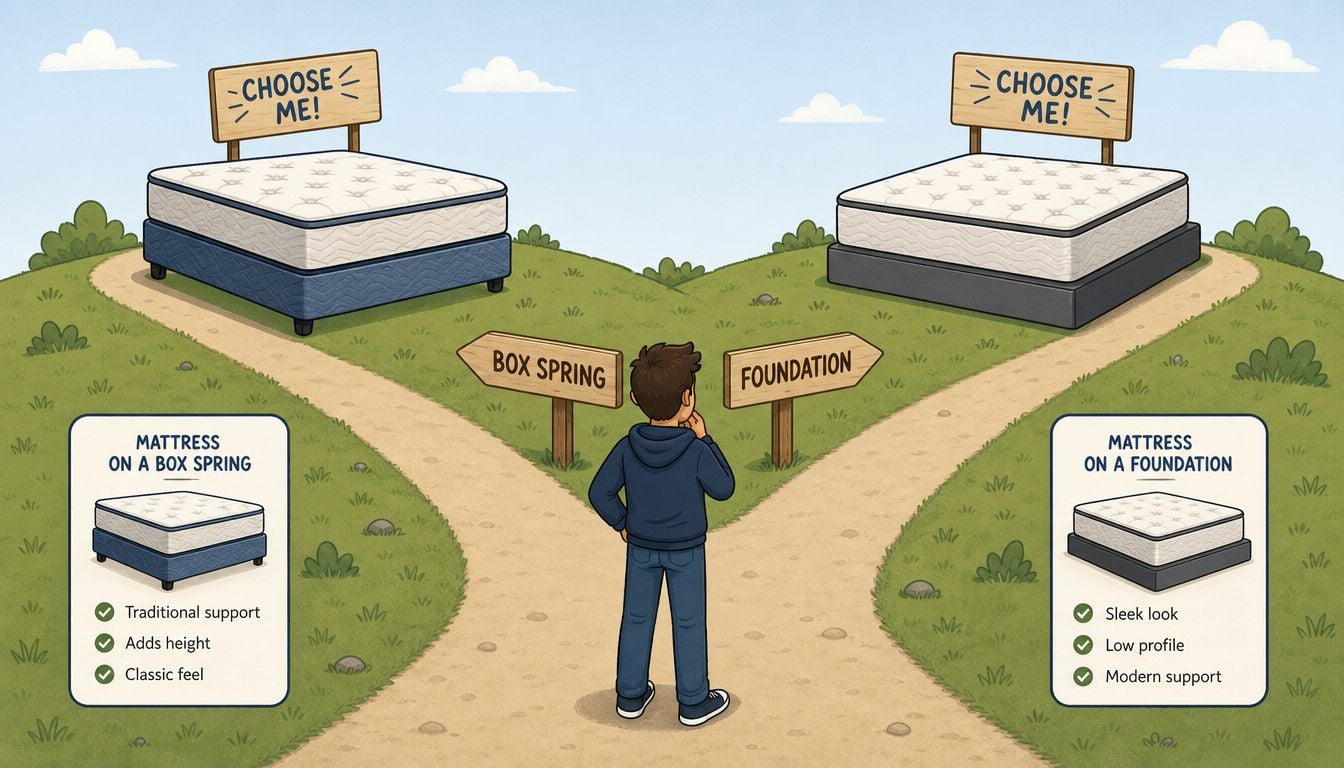
Choose a foundation in these situations
A foundation is the correct move for most current mattress purchases.
If the new bed is a hybrid, memory foam, or latex model, rigid support is usually essential. This mattress support guidance states that foam, latex, and hybrid mattresses require a rigid foundation rather than a flexible coil-based box spring, and that using a box spring with a non-innerspring mattress can void the warranty.
That covers a lot of the beds shoppers are buying now, including many Serta and Beautyrest hybrid models.
A foundation also makes sense when:
- The mattress is heavy: Dense materials need a base that won't flex under load.
- The sleeper wants a firmer feel: The base won't add bounce or softness.
- The frame uses slats but needs extra support: A foundation can create a more uniform surface.
- The household wants long-term value: Fewer moving parts usually means fewer future headaches.
For buyers working through fit questions for dense specialty mattresses, this foundation guide for Tempur-Pedic-style support needs is a helpful reference.
Choose a box spring only when it actually fits the setup
A box spring still has a place. It's just not the default anymore.
It makes sense when the mattress is a traditional innerspring model that was designed to work with a springy base, or when an older metal rail frame is set up around that format. Some homes still have those frames, especially in guest rooms, inherited furniture, or vintage bedroom sets.
A box spring can also help when extra bed height is part of the goal. The key is making sure that added height doesn't come at the cost of proper support.
Protect the mattress and the warranty
People should be direct. Guessing is risky.
If the manufacturer says “foundation,” then use a foundation. If it specifically says “box spring,” then use a box spring. Ignoring that guidance can change how the mattress wears and can create warranty trouble later. That's a high price to pay for using the wrong support under a brand-new bed.
Many mattress problems blamed on the mattress actually begin underneath it.
There's also a practical bedroom-care angle here. A clean, inspectable bed setup makes maintenance easier, and households that want to be proactive about preventing bed bug infestations may find it useful to think about how the bed base affects cleaning and inspection access around the frame.
Do You Even Need a Base Platform Beds and Custom Solutions
Sometimes the best answer is neither.
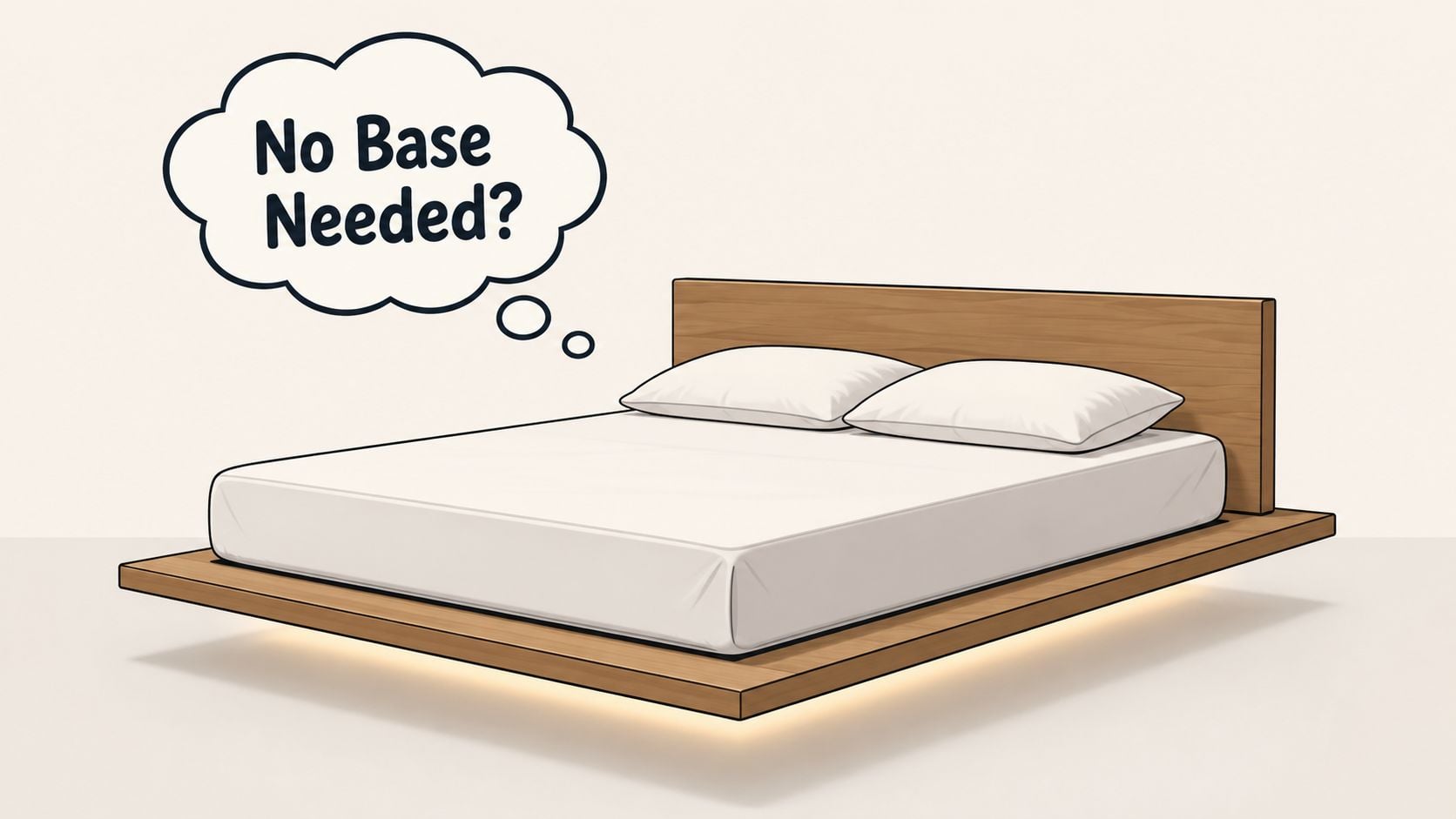
Platform beds can eliminate the extra layer
Many newer bed frames already include the support system. According to this overview of modern bed frame design, approximately 60% of new bed frames sold in major markets now include built-in slats or platforms, and slats spaced 3 inches or less can make a separate foundation or box spring unnecessary for many shoppers.
That's a major reason the mattress foundation vs box spring debate can be incomplete. If the frame already provides the right support, buying another base may add cost without adding value.
This is especially relevant for platform-style bedroom furniture, including many clean-lined modern designs. A well-built frame with proper slat spacing can support the mattress directly and keep the profile lower and neater.
Custom support is often the smartest support
Here, thoughtful furniture buying beats habit.
A made-to-order bed can be built around the mattress instead of forcing the mattress to adapt to whatever frame happens to be in the room. That's one reason solid wood, Amish-made bedroom furniture appeals to buyers who want durability and a precise fit. Design it your way means selecting the height, structure, and support approach that fits the room and the mattress together.
A custom frame can solve several issues at once:
- Room scale: A lower-profile frame can keep a primary bedroom from feeling crowded.
- Support design: Built-in slats can remove the need for a separate base.
- Material quality: Solid wood construction offers a more lasting feel than lighter mass-market pieces.
- Style consistency: The bed can match other bespoke bedroom furniture instead of looking pieced together.
For households considering low-profile sleep setups, it may also help to explore Ocodile's floor bed insights as part of thinking through ventilation, accessibility, and support needs before putting a mattress directly on a very low structure.
Buyers who want long-term craftsmanship in the frame itself can also review these solid wood bed frame options.
Find Your Perfect Sleep System at Groens Fine Furniture
Walk into our Dyer or Crown Point showroom with a new mattress picked out and an old base at home, and this is the first thing we'll ask: what is that mattress going on, and what frame is holding it all together?
That question saves people money, comfort, and frustration.
Start with the mattress, then match the support
The smartest place to begin is the mattress manufacturer's requirement. As noted in this mattress base selection guide, many modern mattresses are built for a foundation or a platform-style support, while some older innerspring models still call for a box spring.
Use that requirement as your starting point, not your final answer.
A hybrid mattress, for example, often needs firm, even support. A traditional innerspring may work well with a box spring if the frame and mattress are built for it. The right answer depends on both pieces. The mattress itself and the bed frame under it.
Your bed frame matters more than people expect
Many problems blamed on the mattress begin underneath it.
We see it all the time across Northwest Indiana. Someone buys a better mattress, keeps an older rail frame or worn support system, and expects the new bed to fix everything. It usually does not. If the frame sits too high, flexes too much, or lacks the right slat spacing, the whole sleep setup suffers.
That is why a good recommendation should account for the full picture. Mattress type. Bed height. Room size. Sleeper preference. Whether you want a lower profile look, easier entry and exit, or a sturdier build that will last.
Personal fit beats generic advice
There is no one-size-fits-all answer here.
Some shoppers want a supportive foundation under a newer mattress and a classic bed with more height. Others want a platform bed that keeps the room cleaner, simpler, and lower to the ground. Some households need a custom solution because the frame style they love and the mattress they chose do not line up with a standard base.
That is where local guidance matters. Northwest Indiana shoppers are not all buying for the same home, the same budget, or the same comfort preference. A primary bedroom in Crown Point may call for a different setup than a guest room in St. John or a first-home bedroom in Dyer. The best choice is personal, and it should fit the way you live.
Buy the setup you will be happy with five years from now
Short-term fixes get expensive.
If you are replacing a mattress, this is the time to decide whether your current frame still earns its place. If it does, pair it with the right support. If it does not, build a better sleep system now and avoid doing the job twice. Choose a box spring only when it fits the setup. In most modern bedrooms, a foundation or platform-style support is the better long-term play.
At Groen's Fine Furniture, we help families put all of that together. That may mean a custom bedroom setup, a solid wood frame built for the mattress you chose, or financing that makes it easier to buy the right pieces now instead of settling. White-Glove Delivery helps too, especially with heavier mattresses and complete bed systems that need proper placement.
Visit Groen's Fine Furniture in Dyer or Crown Point today to find a sleep system that fits your mattress, your frame, and your home for years to come.