Blog
Earth Tone Furniture: A Complete Styling Guide

A living room can feel perfectly tidy and still seem a little cold. Many homeowners in Dyer, Crown Point, and throughout Northwest Indiana reach that point after choosing pale walls, practical flooring, and furniture that looks good in a showroom but doesn't make the room feel welcoming. Earth tone furniture solves that problem by bringing warmth, texture, and a settled feeling into the spaces where families gather.
The right choice is not just the darkest brown sofa or the greenest accent chair. The strongest rooms balance color with daylight, scale, craftsmanship, and the way a household really lives. This guide helps homeowners choose earthy pieces that feel comfortable now and remain useful through changing styles.
Understanding the Appeal of Earth Tone Furniture
A family in St. John might begin with a simple wish: a living room that feels calmer after a long workday, more inviting when relatives visit, and less dependent on constantly changing decorations. One household may choose a camel sofa, a walnut table, and woven accent chairs. Another may prefer mushroom upholstery, natural oak, and a clay-colored ottoman. Both rooms can feel grounded because they share the same visual language.
Earth tones come from the natural world, including soil, clay, bark, stone, and foliage. In furniture, those references appear as warm taupe upholstery, tobacco leather, walnut finishes, muted olive, terracotta, sand, cream, and deep brown. These colors don't compete aggressively for attention. Instead, they give the eye a dependable place to rest while wood grain, fabric weave, and hand-finished details add interest.
The appeal also has staying power. A long-running look at earthy neutrals reports that earth tones first spiked in popularity in the 1970s, stayed steady through the end of the century and into the early 2000s, and later re-emerged strongly in U.S. homes. That history matters because natural colors aren't tied to one narrow decorating era.
Why warm neutrals feel personal
Cool gray can look polished, but warm neutrals usually feel more forgiving in a busy home. They work beside family photographs, books, toys, seasonal decorations, and the wood tones already present in many Northwest Indiana homes. A well-made brown or taupe piece also gives a room flexibility, allowing accent colors to change without forcing a costly furniture replacement.
Practical rule: Choose the large furniture pieces for comfort and longevity, then use smaller accessories to experiment with stronger color.
That approach protects the household budget and reduces trend fatigue. A sofa in camel, warm taupe, or cream can support clay pillows one season and olive or rust accents another. A solid wood dining table can move from a casual breakfast setting to a holiday gathering without looking out of place.
Homeowners seeking more ideas can explore earth tone color schemes before selecting finishes or upholstery. The goal isn't to make every surface brown. It's to create a home that feels comfortable, honest, and lasting, with furniture that supports real family life rather than a staged photograph.
Selecting the Right Palette and Natural Materials
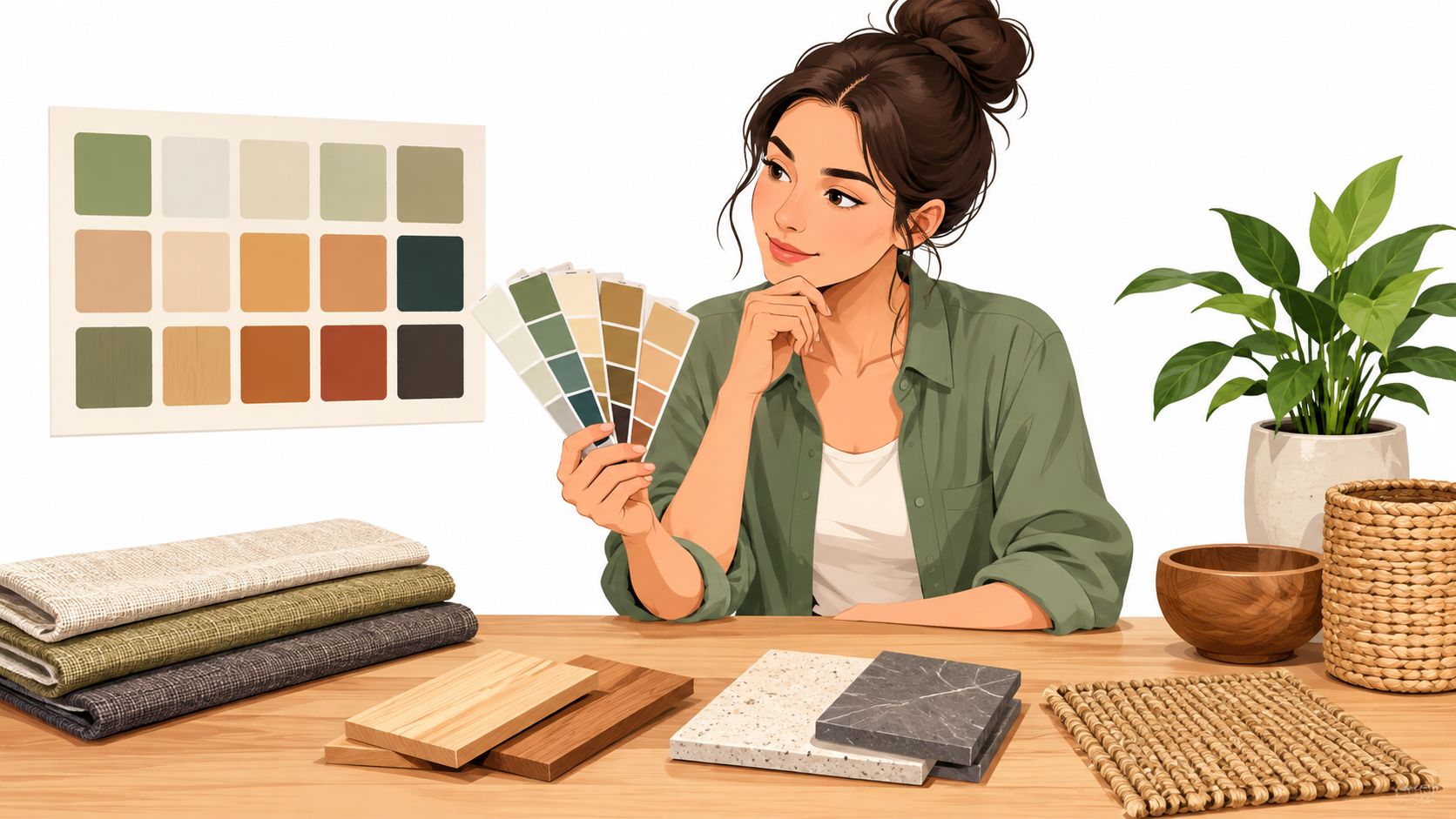
Color selection should begin with restraint. Earth tone furniture looks most natural when its colors remain muted enough for the underlying material to stay visible. A highly saturated orange, green, or red can dominate a room, while a softened clay, olive, or tobacco finish tends to settle into the surroundings.
A practical target is a reduced saturation range of roughly 15–45%, according to guidance on low-chroma earth tone palettes. This range helps large furniture pieces look subdued rather than synthetic or overly vivid. It also leaves room for grain, stitching, weave, and surface variation to do the visual work.
Build the palette from the room outward
Start with the fixed elements that won't change easily, such as flooring, wall paint, cabinetry, and stone. Then choose furniture that sits comfortably between those surfaces instead of matching one item exactly. A warm oak floor may pair well with mushroom upholstery and walnut accents. A pale rug may need a deeper sofa or darker side table to keep the room from looking washed out.
A reliable layering system uses:
- Light tones: Keep ceilings and broad wall areas lighter to maintain openness.
- Mid-tones: Use sofas, dining tables, casegoods, and upholstered chairs as the room's visual center.
- Dark accents: Reserve tobacco, chocolate, dark olive, or blackened details for legs, lamps, artwork, and smaller pieces.
Texture keeps a low-chroma palette from becoming flat. Solid wood contributes grain and weight. Rattan adds an open weave. Linen brings a relaxed surface, while leather introduces depth and develops character with use. Stone, ceramic, and organic-looking finishes can reinforce the same natural story without making every item look identical.
Let materials carry the color
A brown maple finish doesn't need decorative embellishment to feel rich. A tightly woven taupe chair can look more refined than a brighter fabric because its texture changes gently as light moves across it. Leather in camel or tobacco works particularly well on seating that needs visual authority, while linen and performance fabrics keep larger upholstered pieces feeling lighter.
Bedroom textiles can complete the palette without adding another furniture color. Homeowners comparing breathable, warm-neutral bedding may find extra deep pocket pleated sheets useful when coordinating bedding with an upholstered headboard or wood bedroom set.
For wood selection, grain pattern, hardness, and finish all affect the final impression. A practical guide to choosing hardwood for longevity and style can help families distinguish between a color they like today and a material they'll enjoy living with for years.
Adapting Earth Tones to Your Light and Space
A color that looks elegant in a spacious, sun-filled room can feel heavy in a compact family room. Daylight and visual weight must guide the furniture choice, especially when a sofa, sectional, or dining set occupies much of the floor plan.
Deep chocolate, tobacco, and dark olive absorb attention and create a moody, enveloping atmosphere. They work beautifully when the room has generous daylight, lighter walls, open circulation, or strong contrast from rugs and artwork. In a smaller room with limited windows, the same shades can make the furniture feel larger and the room feel dimmer.
Match the shade to the room's conditions
Lighter earth tones are the safer choice for compact spaces. Clay, mushroom, camel, creamy upholstery, sand, and warm taupe reflect more light and leave the room feeling less crowded. They also make it easier to use a substantial piece without allowing that piece to visually take over.
A useful decision pattern looks like this:
- Low daylight: Choose creamy upholstery, pale clay, mushroom, or warm taupe, then add darker accents in small doses.
- Moderate daylight: Camel, muted olive, natural wood, and medium brown can provide warmth without closing in the room.
- Strong daylight: Deeper tobacco, chocolate, walnut, or dark olive can add depth, especially against lighter walls.
- Small footprint: Favor clean silhouettes, raised legs, and lighter upholstery so the floor remains visually connected.
- Large or open layout: Use deeper upholstery or a darker wood anchor to give the space definition.
The current direction favors warm, nature-linked colors and tactile materials, while lighter clay, mushroom, camel, and creamy upholstery remain more suitable for smaller rooms. Deeper chocolate and tobacco tones are better reserved for larger spaces or high-contrast schemes, as outlined in this earthy neutrals design guidance.
Control contrast instead of avoiding dark furniture
Dark furniture isn't automatically a mistake in a low-light room. It needs support. A lighter wall behind a dark bookcase, a cream rug beneath a walnut table, or brass and natural linen accents can keep the composition from becoming muddy. The problem usually comes from stacking dark flooring, dark walls, dark furniture, and low lighting together.
Window placement matters, too. A sofa positioned across a bright window may read differently from the same sofa placed in a shaded corner. Homeowners can study practical placement ideas in this guide to putting a living room in the best light.
Furniture should follow the architecture, not fight it. A light camel sectional can open a narrow room, while a dark wood console can frame a transition area without consuming the main seating zone. In every case, samples should be viewed at home during both daylight and evening lighting before a made-to-order finish is approved.
Room-by-Room Styling for Lasting Comfort
Earth tone furniture works best when each room receives a clear job. The living room needs durable relaxation, the dining room needs dependable gathering space, and the bedroom needs quiet support for rest. A consistent palette can connect those rooms without making them look copied.
Living room
A warm-neutral sofa should be judged first by sitting comfort, frame support, cushion recovery, and fabric suitability. Flexsteel offers a practical direction for households that prioritize durability, while Bassett provides style flexibility for homeowners who want a more custom or transitional look. Brown, beige, cream, tan, ivory, taupe, and natural upholstery can all serve as anchors, provided the scale suits the room.
Add contrast through a wood coffee table, woven chair, stone-top accent, or textured rug. Leather can bring structure to a soft upholstery mix, while rattan or linen keeps the arrangement from feeling too dense.
Dining room
A solid wood dining table should make everyday meals feel intentional and larger gatherings feel natural. Amish furniture brings visible craftsmanship and a sense of permanence, especially when the finish highlights grain rather than hiding it. The table doesn't need to match every dining chair or cabinet exactly. Related undertones create a more collected result.
Natural materials reinforce both color and texture. Guidance on earth tones in the home specifically recommends wood, rattan, linen, leather, stone, and other organic-looking surfaces.
Bedroom
A grounded bedroom should feel restful rather than dark. A warm wood bed, upholstered bench, cream bedding, and muted olive or clay accents create softness without visual clutter. Mattress selection deserves equal attention because sleep wellness depends on support, pressure comfort, and personal fit, not appearance alone.
Serta and Beautyrest mattresses give shoppers established starting points, while a helpful mattress guide can keep the conversation focused on health, rest, and daily recovery. Homeowners comparing wall and textile undertones may also benefit from advice on how to find the right interior colours before committing to a complete bedroom palette.
Designing It Your Way with Custom and Amish Options
Standard furniture sizes and finishes don't suit every home. A dining room may need a specific table length for comfortable circulation. A living room may require a particular sectional orientation. An earth-tone palette may also call for a finish that sits between natural oak and deep walnut, rather than an off-the-shelf choice.
Custom ordering is the answer when the room, material, and family needs have to align. Canadel's custom dining program offers over 30,000 possible combinations, including more than 60 colors, 3 finishes, and over 200 fabrics, according to its program information at Canadel custom dining furniture. That range lets a household choose the table shape, chair fabric, finish, and overall character instead of settling for a close approximation.
Made to order creates better long-term decisions
Bespoke furniture encourages slower, more thoughtful choices. Rather than buying a fashionable rust chair that may dominate the room, a homeowner can select a durable warm taupe frame and introduce rust through a replaceable cushion or textile. The permanent piece remains adaptable when accent colors change.
Custom ordering also addresses practical details that matter every day:
- Room proportions: A table can suit the available wall length and walking paths.
- Finish coordination: Wood can relate to existing floors, trim, or cabinetry without looking artificially matched.
- Fabric performance: Upholstery can reflect pets, children, dining habits, and cleaning expectations.
- Personal comfort: Seat depth, chair height, and cushion feel can be evaluated before the order is placed.
Amish solid wood furniture takes the same principle in a different direction. Its appeal comes from craftsmanship, substantial materials, and the ability to order a piece built to exact specifications. Homeowners interested in the construction behind these heirloom pieces can read what Amish furniture means.
Our family-owned showroom in Dyer and Crown Point helps customers compare custom furniture, Canadel dining, Amish solid wood, Flexsteel seating, and Bassett styles in person. Groen's Fine Furniture appears here as a local option for design guidance and made-to-order furniture, not as a substitute for careful measuring and material evaluation.
Custom furniture isn't about making a room complicated. It means choosing the right size, finish, texture, and comfort once, so the home works better for the people who live there.
Protecting Your Investment with Proper Care
Natural materials reward consistent care. They don't require a complicated routine, but they do require the right routine for the surface. Wood, leather, linen, and performance fabrics each respond best when spills, dust, and direct wear are handled before they become permanent problems.
Wood care begins with the finish
Use a soft, dry cloth for routine dusting and follow the manufacturer's cleaning guidance for deeper care. Coasters, placemats, and felt pads help prevent moisture marks, heat damage, and scratches on dining tables and casegoods. Standing water should be wiped promptly, especially around table edges and joints.
Finish selection affects how a wood piece handles daily use. Benchmark testing reports approximately 12,000 abrasion cycles to 50% film loss for water-based polyurethane, compared with about 6,000 for oil-modified varnish and about 18,000 for two-part catalyzed polyurethane in the cited furniture finishing guidance at earth tone furniture care information. These figures are finish benchmarks, not a promise of identical household performance, but they show why protective coating deserves attention.
Finish advice: A beautiful low-sheen surface still needs a protective system matched to the furniture's use.
Water-based polyurethane can suit many visible tables and casegoods when a clear, lower-sheen appearance and abrasion resistance matter. Oil-modified varnish may create a warmer visual effect, while catalyzed finishes can provide stronger resistance where appropriate. The manufacturer or furniture specialist should confirm which product belongs on a specific piece.
Upholstery, leather, and flooring
Vacuum fabric upholstery with a suitable attachment, address spills by blotting rather than scrubbing, and avoid applying household cleaners without approval. Leather benefits from gentle dusting and conditioners intended for that leather type. Direct sunlight should be managed because it can alter upholstery and wood finishes over time.
A properly selected rug can reduce daily abrasion beneath chairs and tables while helping the palette feel connected. Homeowners protecting wood floors can consult this resource on finding the right area rug for hardwood. For additional wood-specific guidance, the wood furniture care guide offers a useful starting point.
Bringing Your Earth Tone Vision to Life
Earth tone furniture deserves a place in homes where comfort matters more than constant novelty. The safest long-term anchors are warm taupe upholstery, camel leather, walnut, natural oak, creamy fabric, and other finishes that can accept changing accents. Terracotta, clay, olive, mocha, and tobacco remain prominent hues in mainstream 2026 trend reporting, with multiple design roundups identifying them as options for homeowners seeking longevity, as discussed in current earth tone decorating coverage.
That doesn't mean every room should use every shade. A thoughtful plan gives permanent pieces the calmer roles and lets stronger colors appear in pillows, art, occasional chairs, or smaller casegoods. This approach preserves resale flexibility and makes future updates less expensive.
Quality should be felt before it is ordered
Homeowners in Dyer, Crown Point, St. John, Schererville, and Munster can compare materials in a real showroom instead of relying on a screen. Seat cushions, table edges, wood grain, recliner mechanisms, mattress comfort, and upholstery texture all reveal information that photographs can't provide.
Groen's Fine Furniture has served Northwest Indiana since 1983, with multigenerational ownership, custom order services, Amish solid wood furniture, Canadel dining, Flexsteel, Bassett, Serta, and Beautyrest. The local buying experience also includes 5-star service, White-Glove Delivery, Interior Design support, and Special Financing subject to credit approval, giving families more buying power while keeping the focus on honest value.
The right earth tone room won't look like everyone else's. It will feel calm on an ordinary Tuesday, comfortable when guests arrive, and sturdy enough for the years ahead.
Visit Groan's Fine Furniture in Dyer or Crown Point to explore earth tone upholstery, Canadel custom dining, Amish solid wood, and quality mattresses with personal guidance. The showroom team can help families test drive comfort, compare finishes, ask about Special Financing subject to credit approval, and arrange White-Glove Delivery for a home they'll love.