Blog
Tufted Back Sofa: A Guide to Timeless Style & Comfort

A lot of families around Dyer, Crown Point, and the rest of Northwest Indiana end up in the same spot. They want a sofa that looks polished when company comes over, but they also need something that feels comfortable on an ordinary Tuesday night with snacks, pets, and everyone piled into the living room.
That's where a tufted back sofa often enters the conversation. It has a classic, elegant look, but it also raises practical questions. Is it comfortable enough for daily use? Is it harder to clean? Will it feel too formal for a busy household?
Those are fair questions. A sofa is one of the hardest-working pieces in the home, and the right choice has to do more than photograph well. It has to fit the room, support the way the family lives, and still look good years later.
Table of Contents
- The Search for a Sofa That Does It All in Northwest Indiana
- What Exactly Is a Tufted Back Sofa
- Beyond the Look Quality Comfort and Construction
- Is a Tufted Sofa Right for Your Family
- Customizing Your Sofa to Fit Your Home and Style
- Find Your Perfect Sofa in Northwest Indiana
The Search for a Sofa That Does It All in Northwest Indiana
A common living room story starts like this. A family finds one sofa that feels soft enough for movie night, but it looks bulky. Then they find another that looks sharp and refined, but it seems better suited to a formal room nobody really uses.
That tension is real in many Northwest Indiana homes. A sofa has to handle everyday life, but it also shapes the room's style more than almost any other single piece. For homeowners browsing furniture stores in Northwest Indiana, the tufted back sofa often stands out because it seems to bridge those two needs.
A style with real staying power
A tufted back sofa isn't just a passing trend. The style is rooted in an 18th-century European upholstery technique that became closely tied to the Chesterfield, a design associated with Lord Philip Stanhope, the 4th Earl of Chesterfield, giving the look a documented lineage of roughly three centuries according to this history of the Chesterfield sofa.
That long history matters because it explains why tufting still reads as familiar and refined. Many styles come and go. Tufting has stayed recognizable across generations because it gives a sofa shape, texture, and a finished look that plain backs often don't.
A well-chosen tufted sofa doesn't have to feel stiff or old-fashioned. In the right room, it simply feels settled.
Why families keep coming back to it
The appeal usually isn't only about looks. A tufted back creates visual order. It can help a room feel more intentional, especially when the rest of the space has open shelving, varied textures, or a lot of daily movement.
For some households, that structured appearance is exactly what balances the lived-in parts of the home. Toys get put away, the coffee table gets cleared, and the sofa still gives the room a sense of structure.
Others may discover that the style is right, but the details need to change. Fabric, depth, firmness, and overall silhouette make the difference between a sofa that only looks classic and one that works in a real family room.
What Exactly Is a Tufted Back Sofa
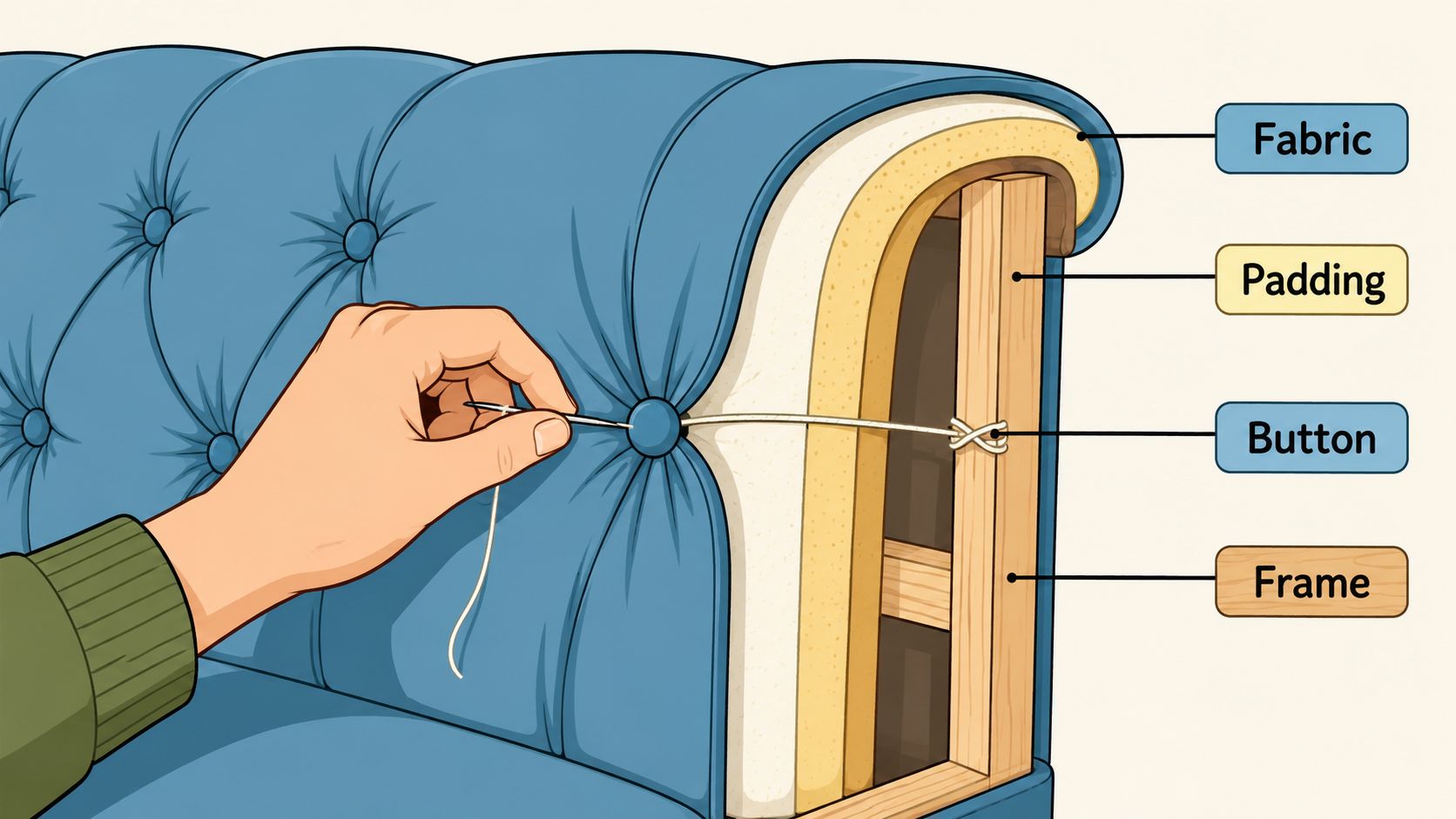
The word tufted can sound technical, but the idea is simple. A tufted back sofa has upholstery that's pulled inward at set points and secured with buttons or stitching, creating those neat, repeated indentations many people recognize right away.
Those indentations are often arranged in diamond or square patterns, which is what gives the back its sculpted, neat appearance. Instead of one flat upholstered panel, the back has rhythm and dimension.
How tufting works
The easiest way to think about tufting is to picture fabric being gently drawn back toward the frame in a planned pattern. That pull creates depth. The result is decorative, but it also changes the way the back looks and behaves over time because the upholstery is held in a more structured form.
Many shoppers first notice tufting on traditional sofas, but it also appears in updated silhouettes. A gray tufted sofa can feel far more current than formal, especially when paired with cleaner lines and simpler legs.
Comparing the main tufted looks
Not every tufted back sofa says the same thing. The pattern changes the personality of the piece.
| Tufting Style | Pattern | Best For |
|---|---|---|
| Diamond | Crisscrossed indentations that form a classic quilted look | Traditional rooms, heritage-inspired spaces, formal seating areas |
| Biscuit or button tuft | More evenly divided square or grid-like sections | Transitional rooms that want structure without heavy ornament |
| Channel | Vertical or horizontal ridges rather than buttoned points | Cleaner, more modern interiors |
A diamond tuft tends to feel the most traditional. It's the look many people associate with Chesterfield-inspired pieces.
Biscuit or button tufting usually feels a little simpler. It still has texture, but the overall effect is often more relaxed and less ornate.
Channel tufting moves in a different direction altogether. It replaces the repeated button look with long upholstered lines, which can make the sofa feel sleek.
Practical rule: If the room already has a lot of pattern, a simpler tufting layout usually feels easier on the eye.
The good news is that shoppers don't need to memorize industry terms to make a smart choice. They just need to notice whether they want the sofa to be the room's statement piece or a quiet anchor with a bit of texture.
Beyond the Look Quality Comfort and Construction
A tufted back sofa can look beautiful from across the room and still disappoint when someone sits down on it every day. That's why construction matters so much. The shape on the outside only tells part of the story.
Inside a well-made sofa, the frame, cushioning, and support work together. If any one of those elements is weak, the sofa may start to feel tired long before the family is ready to replace it.
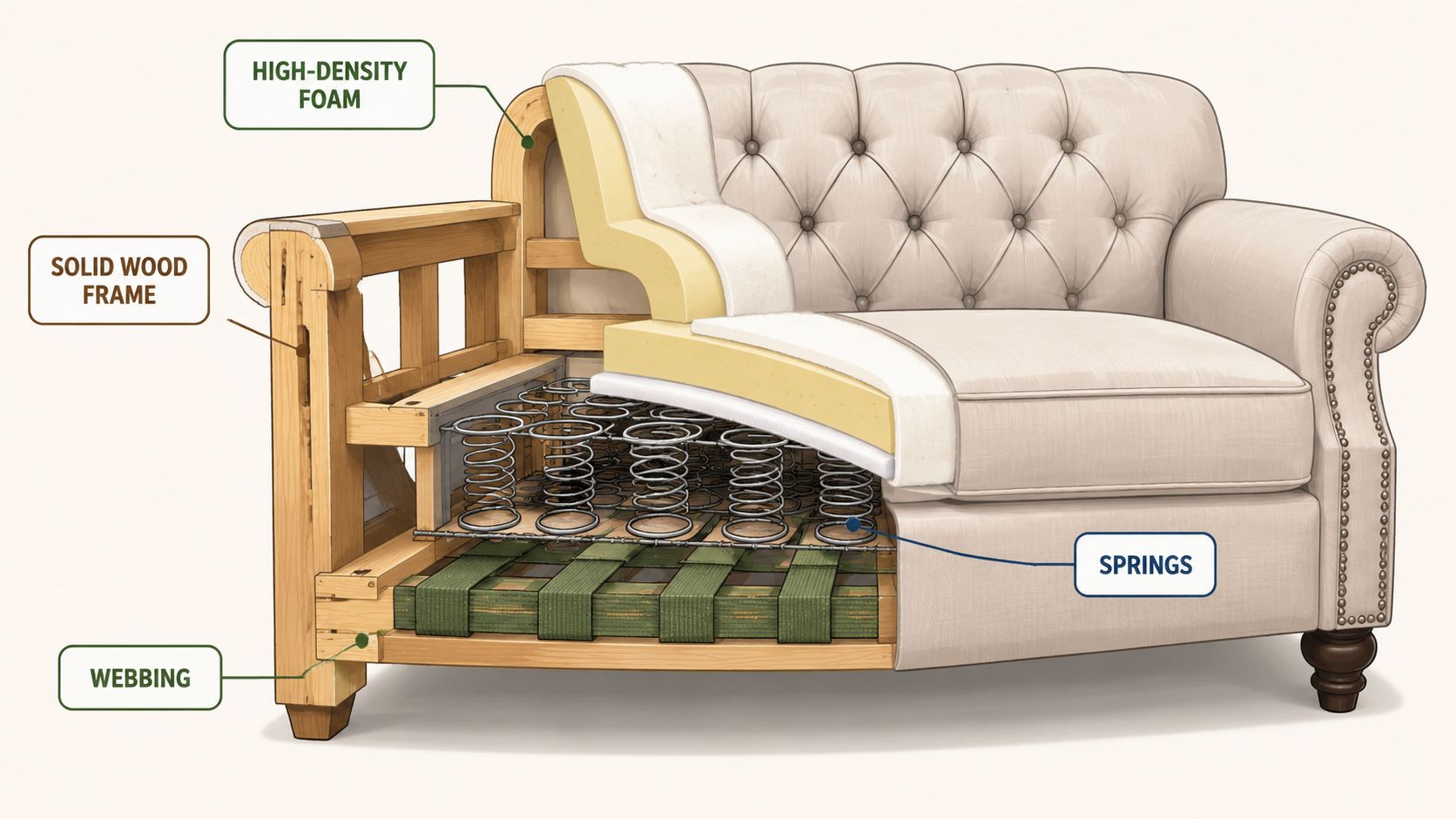
A helpful starting point is learning 5 things to look for in a new sofa or chair. It gives shoppers a way to look past surface style and ask better questions about how a piece is built.
What the seat specs really mean
Some numbers on a spec sheet sound abstract until they're tied to comfort. On a quality tufted sofa, a 24-inch seat depth and 1.9-density high-resiliency foam aren't just technical details. They support an upright yet relaxed posture and help the seat resist premature compression from daily use, as shown in this product specification reference.
That combination tells a shopper a lot. A seat with that depth usually won't feel perched, but it also won't force everyone into a deep lounge position. High-resiliency foam matters because it's meant to recover its shape more reliably under repeated use.
Here's the plain-language version:
- Seat depth affects posture. A deeper seat often feels better for stretching out, while a moderate depth tends to suit a wider range of body types and everyday sitting habits.
- Foam quality affects longevity. Better cushion material helps the seat stay supportive instead of looking tired early.
- Tufting affects the back surface. The back won't feel puffy and loose. It will feel more structured and visually controlled.
Why construction matters in daily life
Tufting changes more than appearance. Because the upholstery is pulled toward the frame, the back surface tends to stay visually neater. That can help reduce the sloppy look some overstuffed backs develop over time.
At the same time, tufting creates fixed compression points. That means the upholstery and interior materials need to be chosen carefully so the sofa wears evenly. A beautiful shape only stays beautiful if the materials underneath can handle real use.
This is also where household habits matter. A room used mostly for conversation has different demands than a room where kids sprawl after school and adults nap on weekends.
A sofa built for daily life should feel supportive on day one and still look composed after years of regular sitting.
Cleaning is part of construction in a practical sense too. Fabric texture, weave, and cushion tightness all affect maintenance. For homeowners trying to protect both upholstery and flooring, Atticus Cleaning Services' guide to clean carpets offers useful general upkeep ideas that pair well with a broader home care routine.
In showrooms, many shoppers can feel these differences quickly. One sofa may look similar to another, yet the seat springs back more cleanly, the back feels more supportive, and the whole piece feels more grounded. That's the difference between furniture that only looks finished and furniture that's built to hold up.
Is a Tufted Sofa Right for Your Family
This is the part many furniture articles skip. A tufted back sofa can be a smart family choice, but it isn't automatically the right choice for every household.
A key concern shoppers raise is everyday practicality. The style offers a structured appearance, but families with children or pets may prefer an easier-to-clean, flatter back surface, which is a useful reminder that sofa style needs to match lifestyle, as noted in this discussion of tufted sofa practicality.
Where tufted backs work well
Tufted backs often make sense for households that want the room to stay visually tidy. Because the back is more structured, the sofa can continue looking pulled together even after regular use.
They also work well when the sofa serves as part of the room's design statement, not just a place to sit. In those cases, the tufting adds enough texture and shape that the sofa helps carry the whole room.
A tufted back can be a strong fit for:
- Open living spaces where the sofa is seen from more than one angle
- Rooms with mixed use where the family wants comfort but still values a polished appearance
- Homes with classic or transitional style where the sofa needs some visual depth
When a flatter back may be the better fit
Some families know they'll be dealing with heavy lounging, frequent spills, pet hair, and crumbs in the seams. In that case, a flatter back can be easier to maintain.
That doesn't mean tufting is off the table. It means the details matter more. Fabric choice becomes especially important. Performance fabrics and tighter weaves can make upkeep much more manageable for active homes.
For pet households, practical add-ons help too. A resource on animal covers for furniture can give families ideas for protecting upholstery during the messier parts of everyday life.
Shoppers thinking through that balance may also find it useful to browse guidance on kid-friendly and pet-friendly furniture. The same logic applies here. Beauty matters, but ease of living matters too.
A tufted sofa works best when the family likes the look and is comfortable with the maintenance that comes with extra detail.
The honest answer is simple. A tufted back sofa is practical for many homes, but not all. If the household wants a cleaner, more structured appearance and chooses the right fabric, it can be an excellent fit. If the family wants the lowest-maintenance option possible, a simpler back may win.
Customizing Your Sofa to Fit Your Home and Style
A lot of Northwest Indiana families start with the look of a sofa and only later realize that fit is the key consideration. A tufted back may catch your eye in the showroom, but the version that works in your house depends on scale, fabric, cushion feel, and how your family uses the room.
Customization helps turn a classic style into an everyday piece.
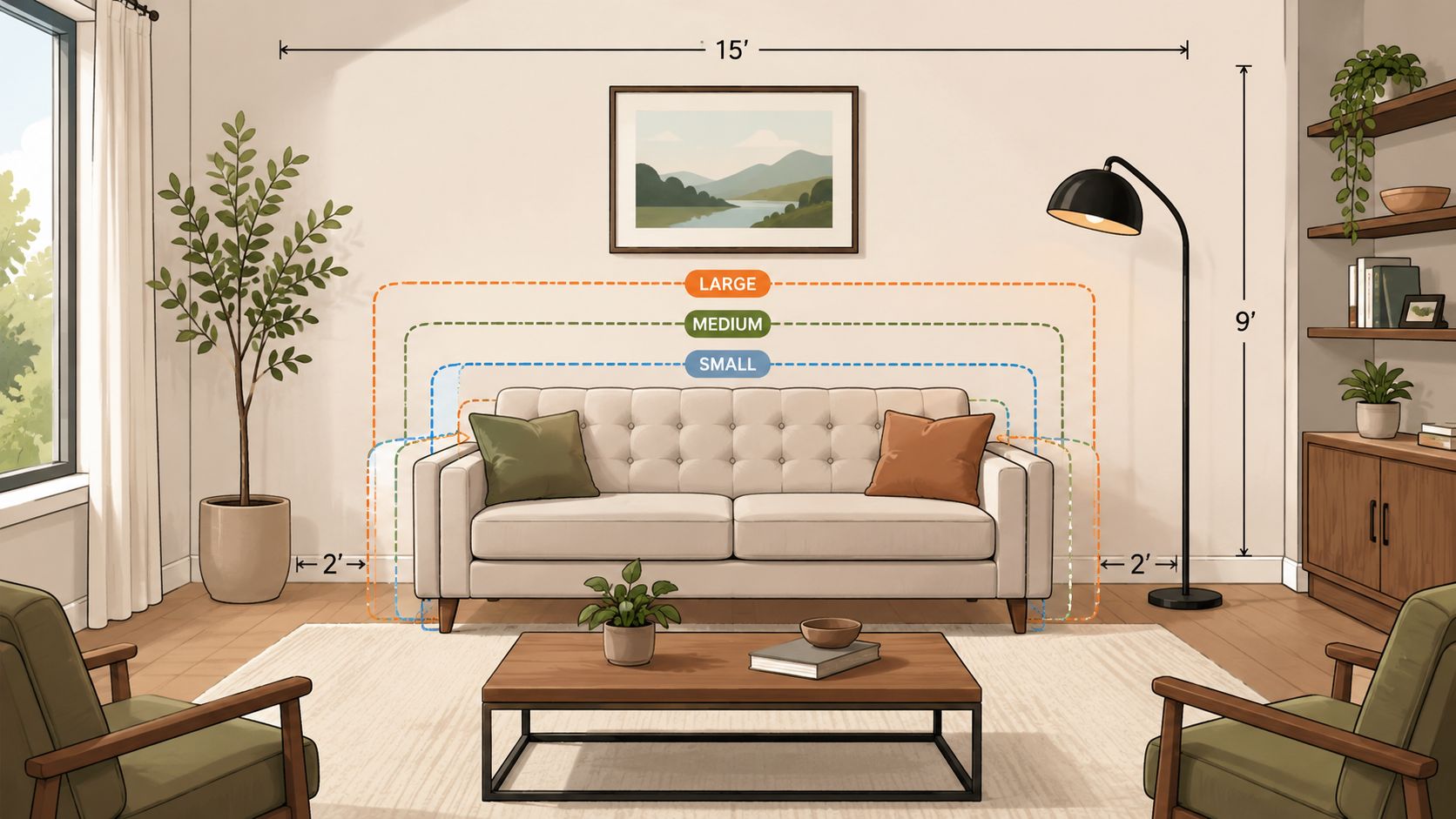
A good way to approach it is to make choices in the same order you would build a room. Start with size. Then choose comfort. Finish with the details that shape the personality of the sofa.
Start with the room, not the fabric swatch
It is easy to fall for a tufting pattern or a beautiful color before you know whether the sofa suits the space. That usually leads to the same problem neighbors tell us about all the time. The sofa fits on paper, but the room feels crowded once it arrives.
Width matters, but depth often changes how the room lives day to day. A deeper sofa can feel inviting for movie nights and weekend lounging, yet it also takes more floor space and can tighten walkways around a coffee table or doorway. In open-concept homes, the back of the sofa matters too because people will see it from the kitchen, entry, or dining area.
That is one reason tufted backs often work well in modern layouts. They give the sofa a finished look from more than one angle.
A few practical checks help before you order:
- Measure the wall and leave breathing room on each side.
- Mark the sofa depth on the floor with painter's tape so you can walk around it.
- Note nearby traffic paths, especially in family rooms that connect to kitchens or hallways.
- If the sofa will float in the room, pay attention to how the back will look every day.
Choose comfort based on how your family sits
This step trips people up because "comfortable" means different things in different homes. Some households want a sofa that supports an upright conversation seat. Others want a softer, sink-in feel for reading, naps, and kids piled in after school.
Tufting changes appearance more than many shoppers expect, but the seat cushions and overall frame shape still do most of the work. That means you can keep the refined character of a tufted back while choosing a seat feel that suits real family life.
For many homes, the smartest custom choices come down to three questions:
- How do you use the room most often? Daily TV watching calls for a different sit than a formal sitting room.
- How much cleanup do you want to deal with? Busy households usually do better with easier-care upholstery and textures that do not show every mark.
- Who uses the sofa every day? Kids, pets, taller adults, and older family members all change what feels practical.
If you want to see how these options come together, it helps to design your own sofa with custom size, fabric, and comfort choices. That process gives families more control, which is often what makes a tufted style feel relaxed and livable instead of overly formal.
Use details to blend classic and current
Once size and comfort are settled, the finishing choices become much easier. Tufting does not have to lock you into a traditional room. A cleaner silhouette, simpler legs, or a family-friendly fabric can make the sofa feel right at home in a newer house in St. John, Crown Point, or anywhere else across NWI.
The easiest way to picture it is this. Tufting gives the sofa structure, while fabric and finish decide the mood. A soft neutral can keep it calm. A textured weave can make it feel more casual. A crisp leg finish can pull it toward transitional style instead of formal style.
For homeowners mixing classic seating with more playful accents, cool nostalgic decor tips can offer ideas for adding personality without turning the room into a time capsule.
Groen's Fine Furniture offers custom furniture options that let shoppers adjust upholstery and other details to better suit the room. That kind of made-to-order flexibility matters for families who want one sofa to handle real life, seasonal changes, and long-term use without looking out of place.
Special financing is also available, subject to credit approval. For some households, that makes it easier to choose the sofa that perfectly fits the room and the family, instead of rushing into a compromise.
Find Your Perfect Sofa in Northwest Indiana
On a winter evening in Northwest Indiana, the sofa often becomes the busiest seat in the house. Someone is stretching out with a blanket, someone else is cleaning up snack crumbs, and the family dog may already be claiming one corner. That is the true test of a tufted back sofa. It has to look beautiful on day one and still feel comfortable, useful, and easy to live with years later.
That is why the final choice usually comes down to fit, not just style. A tufted back gives a sofa a refined look, but the day-to-day success of the piece depends on how it supports your routine. Seat depth affects whether you sit upright for conversation or sink in for a movie. Fabric choice affects how calmly you handle spills, pet hair, and everyday wear. Room placement matters too, especially in open layouts where the sofa may be seen from every side. In those homes, a tufted back can work especially well because it gives the sofa a finished look from behind as well as from the front.
For families in Dyer, Crown Point, St. John, Schererville, Munster, and nearby communities, that balance is often what makes this style worth a closer look. A tufted sofa can feel classic without feeling stiff. With the right cushion feel, durable upholstery, and size for the room, it can serve as the spot where real family life happens, not just the piece guests admire from across the room.
Groen's Fine Furniture has served Northwest Indiana homeowners since 1983, with locations in Dyer and Crown Point. As a multigenerational family business, they help shoppers sort through comfort, scale, fabric, and customization in a practical way, with white-glove delivery and personal service. Ask about custom options and available special financing plans, subject to credit approval.