Best Furniture Pads for Hardwood Floors: 2026 Guide

A Northwest Indiana homeowner has just finished the room. The hardwood floors are clean, the dining set is in place, and the sofa finally sits where it belongs. Then someone pulls out a chair, and that small scraping sound cuts through the whole moment.
That's when furniture pads stop feeling optional.
For families in Dyer, Crown Point, St. John, Schererville, Munster, and across NWI, this question comes up all the time: what are the best furniture pads for hardwood floors when the furniture isn't flimsy, but solid, heavy, and meant to last? A lightweight accent chair is one thing. A solid wood dining set, a deep sectional, or a substantial recliner is another.
Most advice online stays too general. It says “use felt” and moves on. That's not enough. A quality chair that moves all day needs a different answer than a heavy piece that rarely shifts. Homeowners looking for practical outside reading can also review this guide to best furniture pads for hardwood for added floor-protection context, then compare it with this more furniture-focused approach. For more room-by-room care ideas, this related guide on protecting floors from furniture is also useful.
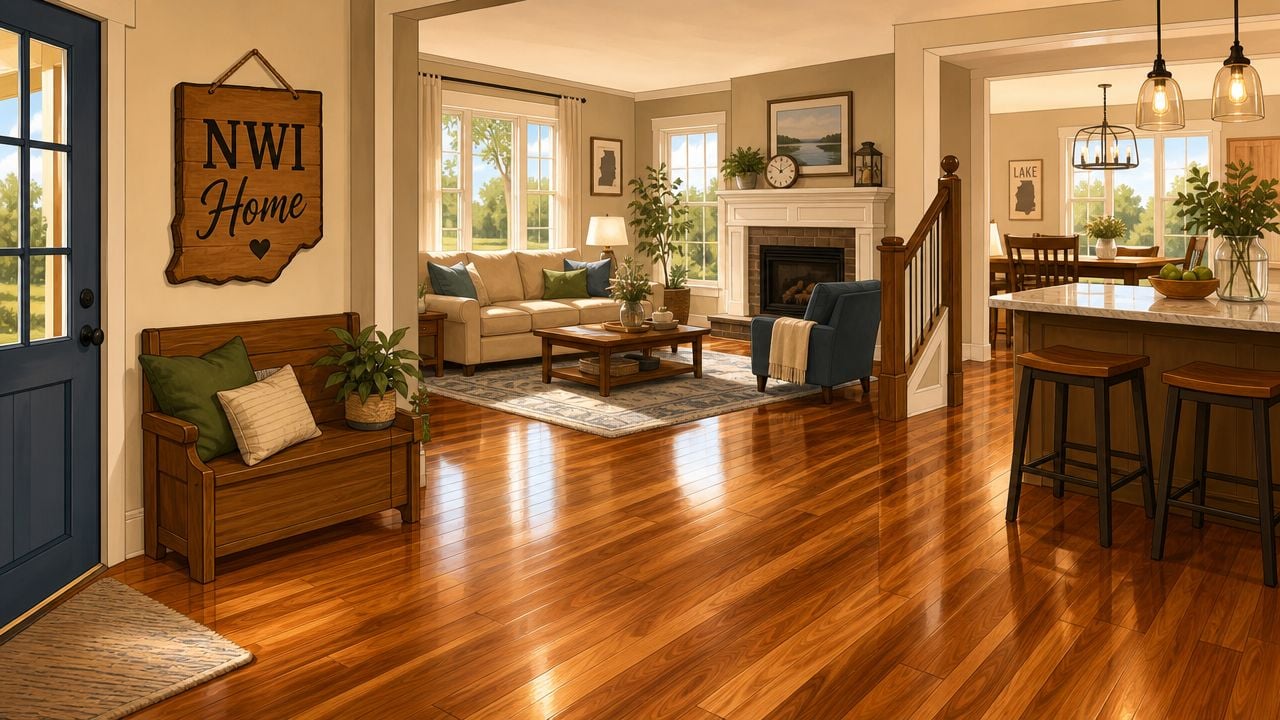
Table of Contents
- Protecting Your Home's Hardwood Floors in Northwest Indiana
- A Comparison of Furniture Pad Materials
- Matching the Pad to Your Furniture's Weight and Use
- Proper Sizing and Installation for Lasting Results
- Protecting Your Custom Furniture Investment
- Let Our Family Help You Create a Home You Love
- Frequently Asked Questions About Furniture Pads
Protecting Your Home's Hardwood Floors in Northwest Indiana
In Northwest Indiana, hardwood floors often sit at the center of the home. They run from the entry into the kitchen, through the dining area, and into the living room where everyone lives. That layout looks beautiful, but it also means furniture gets pushed, twisted, dragged, and shifted across the same surface every day.
That daily wear usually starts with the smallest pieces. Dining chairs get used at breakfast, homework time, and late-night conversations. Counter stools twist. End tables get nudged during cleaning. The damage rarely comes from one dramatic mistake. It comes from repeated contact under pressure.
Why this matters more with substantial furniture
Homes in Dyer and Crown Point often hold furniture that isn't disposable. A solid wood table, a well-built buffet, or a full reclining sofa carries real weight. Small, low-quality pads fail faster under that kind of load, and when they fail, the hardwood takes the hit.
Practical rule: The best furniture pads for hardwood floors aren't the cheapest pack at the store. They're the pads that match how the furniture moves, how much it weighs, and how often the room gets used.
That's why a one-size-fits-all answer doesn't hold up. A moving chair needs glide and softness. A heavy cabinet may need a wider base that spreads weight better. Hardwood protection is part material choice, part fit, and part common sense.
The first scratch is the one people remember
Most homeowners remember exactly when they noticed the first mark. It's usually under a chair leg or near a table corner where traffic is heaviest. Once that happens, the conversation changes from “Should pads be used?” to “Which pads should've been used?”
The smart move is to decide before the floor gets marked. That starts with understanding the materials.
A Comparison of Furniture Pad Materials
Some pad materials help hardwood. Some only seem helpful until they flatten, peel, or grind debris into the floor. For most moving furniture on hardwood, felt is the top recommendation. Guidance from RugPadUSA on furniture floor protectors and Furniture Wear's guide to the best furniture pads both position felt furniture pads as the best choice for chairs and other pieces that move frequently on hardwood, especially when the pad is sized the same as or slightly smaller than the furniture leg.
Furniture Pad Material Comparison for Hardwood Floors
| Material | Scratch Protection | Best For | Key Consideration |
|---|---|---|---|
| Felt | High | Chairs, stools, side chairs, table legs that move often | Best all-around choice for hardwood when movement is frequent |
| Rubber | Moderate for hardwood sliding use | Heavy pieces that stay put | Better durability under static load, but not the first choice for frequent sliding |
| Cork | Situational | Light-duty stationary use | Less common, and not the first recommendation for active chair movement |
| Silicone | Situational | Grip-focused use on mixed surfaces | Better when sliding isn't wanted |
| Hard plastic or glide-style protectors | Low to moderate on bare hardwood unless carefully matched | Specific chair applications or movement needs | Can last well, but harder contact can be less forgiving on wood |
What to choose for real hardwood use
Felt is the default winner for hardwood chairs. The reason is simple. It creates a softer interface between the furniture leg and the floor, which helps reduce scratching while letting the chair move more smoothly, making less noise. On dining chairs, kitchen seating, and other high-traffic pieces, felt is the right starting point.
Rubber has a different job. According to Slipstick's comparison of felt vs rubber furniture pads, rubber is generally more durable than felt under static, heavy loads, while felt is favored for scratch prevention on hardwood. That's the tradeoff. Rubber lasts well when a piece mostly stays put, but it isn't the best answer for chairs that slide constantly.
Felt protects hardwood better during movement. Rubber handles stationary weight better. Those are two different jobs, and mixing them up is where floor damage starts.
Cork and silicone can work in select situations, but they aren't the first recommendation for classic hardwood chair protection. They tend to make more sense when grip is more important than glide, or when the floor mix in the home creates special needs.
Hard plastic or glide-style protectors can be useful in narrow situations, especially if movement is constant and the protector is engineered for that use. But on hardwood, harder contact surfaces demand caution. If the wrong glide is used, the cure becomes the problem.
For homeowners comparing materials beyond wood furniture alone, this article on upholstery materials and furniture performance is a helpful reminder that every material choice in a room affects long-term wear, maintenance, and comfort.
Matching the Pad to Your Furniture's Weight and Use
Most advice gets lazy; it claims felt is best and stops there. But a slim dining chair, a heavy Amish sideboard, and a reclining sectional don't put the same stress on a floor or on the pad underneath them.
Bona's guidance on protecting floors from furniture points to an important gap in most articles. The actual question isn't just floor type. It's whether felt is enough for heavy furniture and high-traffic rooms, or whether a larger contact area, a glide, or another solution makes more sense.
Light pieces that move constantly
Dining chairs are the clearest example. So are counter stools and occasional chairs that get pulled in and out all day.
Use size-matched felt pads on these pieces. Not oversized pads hanging past the leg. Not tiny dots that expose the corners. A proper felt pad lets the chair glide instead of scrape.
Best uses include:
- Dining chairs: Frequent push-pull movement calls for felt first.
- Kitchen seating: Chairs and stools shift at odd angles, so smooth movement matters.
- Small accent tables: If they get moved for cleaning, felt helps avoid accidental scuffs.
Heavy furniture that mostly stays put
A solid wood dresser, bookcase, buffet, or bed frame creates a different problem. The risk isn't just scratching. It's pressure concentrated on a small point.
For these pieces, a small adhesive felt dot often isn't enough. A better answer is a larger protector, cup, or broader pad footprint that spreads weight across more surface area. That matters even more with investment-grade furniture built from solid wood.
A heavy piece with a tiny contact point can leave trouble behind even if it barely moves.
If the furniture is rarely moved, durability matters more than glide. That's where a firmer stationary-style protector can outperform a thin felt sticker.
Heavy pieces that still need to move
This category causes the most damage because it combines weight with motion. Think of a reclining sofa, a substantial occasional chair, or a large table that gets shifted during cleaning or entertaining.
These pieces usually need two things at once:
- A protective surface that won't scratch the hardwood
- Enough contact area to handle the load without failing quickly
For that reason, a larger felt-based solution is often better than a small peel-and-stick pad. A recliner or sectional with narrow feet puts a lot of stress on each point of contact. The smarter choice is usually a wider, more stable protector that supports the piece while still staying floor-friendly.
The short version is straightforward:
- Frequent movement plus hardwood equals felt.
- Heavy stationary furniture needs broader load distribution.
- Heavy movable furniture needs both softness and a larger contact area.
That's the difference between protecting the floor for a week and protecting it for the long haul.
Proper Sizing and Installation for Lasting Results
You notice floor marks after a holiday dinner, and the surprise is that the scratches did not come from moving the table across the room. They came from pads that were the wrong size, stuck on dirty chair feet, and crushed under the weight of well-built furniture. That happens all the time with solid wood dining sets, deep upholstered sectionals, and other serious pieces that put real pressure on every contact point.
Get the size right first
Pad size needs to match the furniture foot closely. Choose a pad that matches the leg end or sits just inside the edge. That gives you full support without a visible overhang.
The reason is simple. A pad that sticks past the leg gets clipped, peeled, or rolled back during daily use. A pad that is too small leaves part of the leg, glide, or metal edge exposed, and that exposed spot is often what scratches the floor first.
This matters even more on investment-grade furniture. Amish chair legs, broad table bases, and heavy recliner feet do not forgive sloppy sizing. If the contact point is uneven, all that weight bears down on one weak area and shortens the life of the pad fast.
Install pads like they matter
Installation decides whether the pad lasts a month or a season.
Adhesive pads fail for predictable reasons. The bottom of the leg is dusty. Old residue is still there. The surface is rough. The pad is off-center. Then the chair gets dragged at an angle, and the pad starts to shift.
Use this routine:
- Turn the piece carefully and inspect the contact point. Look for rough wood, old adhesive, cracked plastic glides, or staples that sit proud.
- Clean the surface fully. Remove dust, wax, polish residue, and anything oily.
- Let it dry all the way. Adhesive needs a dry surface to grab.
- Trim or sand only if needed. A flat, even bottom gives the pad a better bond.
- Apply the pad centered and press firmly. Full contact matters, especially on heavy legs.
- Set the piece down straight. Do not twist it onto the new pad.
- Check high-use pieces early. Dining chairs and recliners show problems first.
Proper sizing protects the edges. Proper installation keeps the pad in place under real weight.
Shape matters too. Round pads on square legs leave corners exposed. Small pads on wide legs wear out in the middle. If you are trying to fit protectors to unusual legs, tapered feet, or broad bases, this guide on how to measure furniture will help you buy the right size the first time.
One more piece of blunt advice. Replace worn pads before they fail completely. On high-quality furniture, a cheap little pad is the last thing that should decide the condition of your hardwood floors.
Protecting Your Custom Furniture Investment
People buy better furniture because they want it to last. That includes the piece itself, the room around it, and the way it lives in the home over time. Furniture pads are a small detail, but they protect both the hardwood and the investment sitting on top of it.
Better furniture deserves better protection
This matters most with solid wood and other substantial pieces. A made-to-order Amish dining table, a bespoke storage piece, or a deep upholstered sectional doesn't behave like lightweight import furniture. It carries more weight, often stays in the home for years, and deserves a protection plan that isn't an afterthought.
That's especially true in dining spaces. A custom Canadel set may be designed exactly the right way for the room, with carefully chosen finish, shape, and seating. But if the chair pads are wrong, daily use starts grinding away at the floor under the very piece meant to enhance the space.
A smart setup protects three things at once:
- The floor finish
- The furniture base and leg structure
- The ease of everyday movement
Design it your way and protect it from day one
The best homes don't happen by accident. They're planned. Homeowners who choose custom furniture usually already understand that. They want the right size, the right wood tone, the right upholstery, and the right comfort level. Protection belongs in that same conversation.
That's why pad choice should be made at delivery, not after the first scratch. It's part of living well with high-quality furniture. It also helps preserve the look of rooms that are intended to last through family dinners, holiday gatherings, and years of rearranging.
For anyone caring for solid wood pieces long-term, this guide on how to care for wood furniture pairs well with a pad strategy that matches the furniture's weight and use. And for households planning a larger room update, special financing is available, subject to credit approval, which gives families more buying power to choose furniture quality that fits both their home and their budget.
Let Our Family Help You Create a Home You Love
The best furniture pads for hardwood floors aren't universal. The right answer depends on how the piece moves, how much it weighs, and how the room gets used day after day.
For most chairs on hardwood, felt is the clear winner. For heavy stationary furniture, broader support matters more than a basic stick-on pad. For substantial pieces that still move, homeowners need a solution that combines floor-friendly glide with better load distribution.
That practical, honest guidance is what matters most. Visit Groen's Fine Furniture in Dyer or Crown Point today to explore custom options from trusted names like Canadel, Flexsteel, Bassett, and Amish craftsmen, and ask about special financing plans. Let this multigenerational Northwest Indiana family help create a home with lasting comfort, solid wood quality, white-glove delivery, and personal service that feels every bit as good as it looks.
Frequently Asked Questions About Furniture Pads
Can adhesive pads damage a hardwood floor finish
The bigger problem usually isn't the adhesive touching the floor. It's pad failure. When a pad loosens, shifts, or wears through, the furniture leg can make direct contact with the hardwood.
That's why quality and prep matter so much. If the leg bottom is dirty, rough, or coated with residue, the adhesive may not hold the way it should. The pad then becomes unreliable long before the homeowner notices.
For broader care questions beyond floor pads alone, the store's furniture care FAQs can help answer common maintenance concerns.
How often should furniture pads be checked
There isn't a universal schedule that fits every home. A dining chair used every day needs more attention than a guest-room nightstand.
A simple rule works better than a fixed timeline:
- Check high-traffic chairs regularly: These fail first.
- Look for darkened or gritty felt: Debris trapped in the pad can scratch.
- Watch for uneven wear: If one edge is thin, the leg may start contacting the floor.
- Listen for noise changes: A chair that suddenly sounds sharper on the floor usually needs attention.
If a pad looks compressed, dirty, off-center, or partly detached, replace it. Waiting usually costs more than replacing the pad.
Do the same pads work on LVP laminate bamboo and tile
Not always, but felt remains a strong starting point for many hard-surface floors. The guidance summarized in NestAlpha's overview of felt pads on modern flooring notes that felt pad use is commonly extended beyond hardwood to LVP, laminate, tile, and bamboo.
That said, mixed-material homes need more care in how the choice gets applied. A pad that glides well on hardwood may behave differently on a floor with a thinner wear layer or a different surface texture. Adhesion can also change over time because of humidity, cleaning residue, and the condition of the furniture leg itself.
The safest approach is this:
- Use felt when smooth movement and scratch prevention are the priority
- Use broader protectors for heavier furniture
- Pay close attention to adhesion and wear in rooms with frequent movement
- Reassess when furniture crosses multiple floor types in an open-concept layout
Modern floors don't make pad choice simpler. They make matching the pad to the room more important.
Visit Groen's Fine Furniture in Dyer or Crown Point today to explore custom options and ask about special financing plans. Let this family-owned Northwest Indiana team help create a home with lasting comfort, honest value, and floor-friendly furniture guidance that fits real life.