Blog
Furniture Financing for Bad Credit: Your Options Guide

A worn sofa can turn from a small annoyance into a daily problem. For families in Dyer, Crown Point, and across Northwest Indiana, replacing a sectional, mattress, or dining set may feel necessary, but a past credit setback can make the financing counter feel like a locked door.
Furniture financing for bad credit can still be available. The harder question is whether the payment remains comfortable after interest, service charges, delivery, and possible penalties are included. A lender's approval only answers whether a purchase can be financed. It doesn't answer whether the total cost makes sense for the household.
The right approach is to compare the full obligation, not just the monthly figure. That means understanding the financing path, preparing documents, checking the contract, and choosing furniture that fits both the home and the budget. Groen's Fine Furniture has served NWI since 1983, and its multigenerational team treats these decisions as personal conversations rather than rushed transactions.
When Bad Credit Meets a Big Furniture Purchase
A Northwest Indiana family may spend months making do with a sagging sofa. Eventually, they walk into a showroom in Dyer or Crown Point, find a sectional that finally fits the room, and feel the excitement begin to return. Then the financing application brings back the memory of a recent decline, and the purchase suddenly feels uncertain.
That hesitation is understandable. For many households, financing has become the gatekeeper to comfort at home. Furniture financing for bad credit can open a path to a needed purchase, but approval shouldn't be the only goal. The more useful question is simple: What will this furniture cost from the first payment through the final one?
Credit standards vary by lender and product. Industry guidance in 2025 generally places FICO scores below 600 in the bad-credit range, while many traditional furniture-financing options look for scores around 620 to 670 for stronger approval odds and promotional terms, according to industry guidance on furniture-financing credit scores. Some approved borrowers may face APRs above 15% on installment products or above 30% on unsecured personal loans used for furniture, so the same purchase can carry very different lifetime costs.
Approval is only the first checkpoint
A lender may reduce risk by asking for a larger down payment, a co-signer, or a smaller financing limit. Those conditions can improve the chance of approval, but they also change what the household can buy and how much cash remains available for delivery, setup, and other expenses.
A missed payment can create more than a late fee. It may affect the credit account, increase financial pressure, and, with certain contracts, raise questions about what happens to the furniture. Readers who want to understand the legal issues surrounding furniture repossession in bankruptcy should consult qualified legal guidance before relying on general retail advice.
Practical rule: A payment that only works on the best month isn't an affordable payment.
A calmer way to shop
The main paths include store financing, lease-to-own arrangements, secured credit, and a co-signer. Each one solves an access problem differently, and each can increase the total price through interest, fees, premiums, or shared liability.
Households can also review furniture payment plans with no credit check before applying. No-credit-check structures may be easier to access, but they still need a careful total-cost review. A complete decision includes the financed amount, payment schedule, delivery charges, early-payoff terms, and consequences of a missed payment.
The Four Main Paths Shoppers Can Take
Bad-credit shoppers generally have more than one route, but flexibility doesn't mean every route is equally affordable. The four options below should be compared by total payments and monthly breathing room, not by approval speed alone.
Store financing
Store financing is often arranged through a third-party lender at the showroom or checkout. It may offer a defined repayment term or a promotional period, but promotional terms usually depend on credit approval and exact payment compliance.
A borrower with weaker credit may receive a higher rate, a smaller approved amount, or a request for a larger down payment. Traditional furniture financing often starts around a 620 credit score, while scores above 700 can improve the odds of promotional zero-interest plans, according to this retail guide to credit scores and furniture financing. Promotional financing should never be treated as guaranteed for a subprime applicant.
Lease-to-own arrangements
Lease-to-own programs can place furniture in the home with smaller weekly or monthly payments and an ownership path later. Some programs may avoid a traditional credit check, but the convenience can carry a substantial premium over the cash price.
The contract deserves close attention. The household should ask whether early payoff reduces the total cost, whether missed payments trigger extra charges, and whether ownership arrives automatically or requires completion of the full agreement. A payment can look manageable while the final obligation becomes far more expensive.
Secured credit
Secured options reduce the lender's risk through money down, savings-backed borrowing, a deposit-secured loan, or partial payment through available credit. A smaller financed balance means less principal is exposed to interest, although the borrower still needs to review the rate and account terms.
A secured personal loan can also be worth asking about when credit is weak. Some lenders consider applicants with scores as low as 560 for certain personal loans, and a co-signer or secured structure may improve approval odds, as explained in this consumer guide to furniture financing. Approval still depends on the lender's criteria and affordability review.
A co-signer
A co-signer with stronger credit may help secure better terms or a larger approval amount. The arrangement also transfers meaningful risk to someone close to the borrower. If the primary borrower misses payments, the co-signer can remain responsible for the debt and may see credit consequences.
That makes a co-signer a serious financial partnership, not a signature added to a form. Both people should understand the payment schedule, the total obligation, and what happens if the furniture is returned or the household income changes.
| Financing Path | How It Works | Typical Cost Impact | Best Fit For | Main Risk to Watch |
|---|---|---|---|---|
| Store financing | A lender finances the showroom purchase | Interest or promotional conditions can change the total | Buyers who qualify for clear terms | Late payments or misunderstood promotional rules |
| Lease-to-own | Payments continue until ownership conditions are met | Lease premiums can make the final cost much higher | Shoppers needing access without traditional approval | Paying far more than the cash price |
| Secured credit | A deposit, down payment, or collateral reduces lender risk | Lower financed balance may reduce interest cost | Buyers with savings or available security | Losing pledged funds or overextending credit |
| Co-signer | A stronger-credit applicant shares responsibility | Better terms may be possible | Borrowers with a trusted, financially stable supporter | Shared liability and damaged relationships |
The furniture financing options available through Groen's Fine Furniture can be discussed alongside these categories. The responsible choice is the one whose full cost and payment schedule remain workable without sacrificing essentials.
What to Have Ready Before You Apply
Preparation doesn't guarantee approval, but it prevents avoidable delays. A complete application gives the lender a clearer view of identity, residence, income, and contact information, which can reduce the need for repeated follow-up.
The basic file
Most applicants should gather:
- Government-issued photo ID: This verifies identity and helps prevent application errors.
- Proof of current address: A lease, utility statement, or other accepted document can confirm where the applicant lives.
- Recent pay stubs: Lenders use income records to assess repayment ability. Some applicants may be asked for pay documentation covering about 30 days, depending on the application.
- Bank statements: These can help confirm deposits, recurring income, and the household's current financial picture.
- Working phone number and email: Lenders need reliable ways to communicate about approval, documents, account changes, and payments.
Self-employed shoppers may not have standard pay stubs. Tax returns, 1099 forms, or bank activity covering three to six months may provide alternative income documentation when the lender accepts it.
A household should call the showroom or financing provider before shopping day and ask for the exact document list. That small step can prevent an interrupted application when the family has already found a sofa, mattress, or dining set that suits the home.
Make the information consistent
Names, addresses, employer details, and income figures should match across the application and supporting documents. An unexplained mismatch doesn't necessarily mean a decline, but it can create additional questions and slow the decision.
Readers seeking a broader checklist for how to get approved for credit can use that resource as preparation, then confirm requirements directly with the financing provider. No outside checklist replaces the lender's own rules.
A complete file also helps shoppers judge affordability before signing. For example, bank activity may reveal upcoming obligations that make a proposed payment less comfortable than it first appeared. The mattress financing options near Dyer and Crown Point should be considered with the same care, especially when better sleep and health are the reason for replacing an old mattress.
Practical Ways to Improve Your Approval Odds
Approval preparation should focus on accurate information and a manageable request, not tricks. A borrower can't control every underwriting decision, but can control the quality of the application and the amount being requested.
Start with the credit report
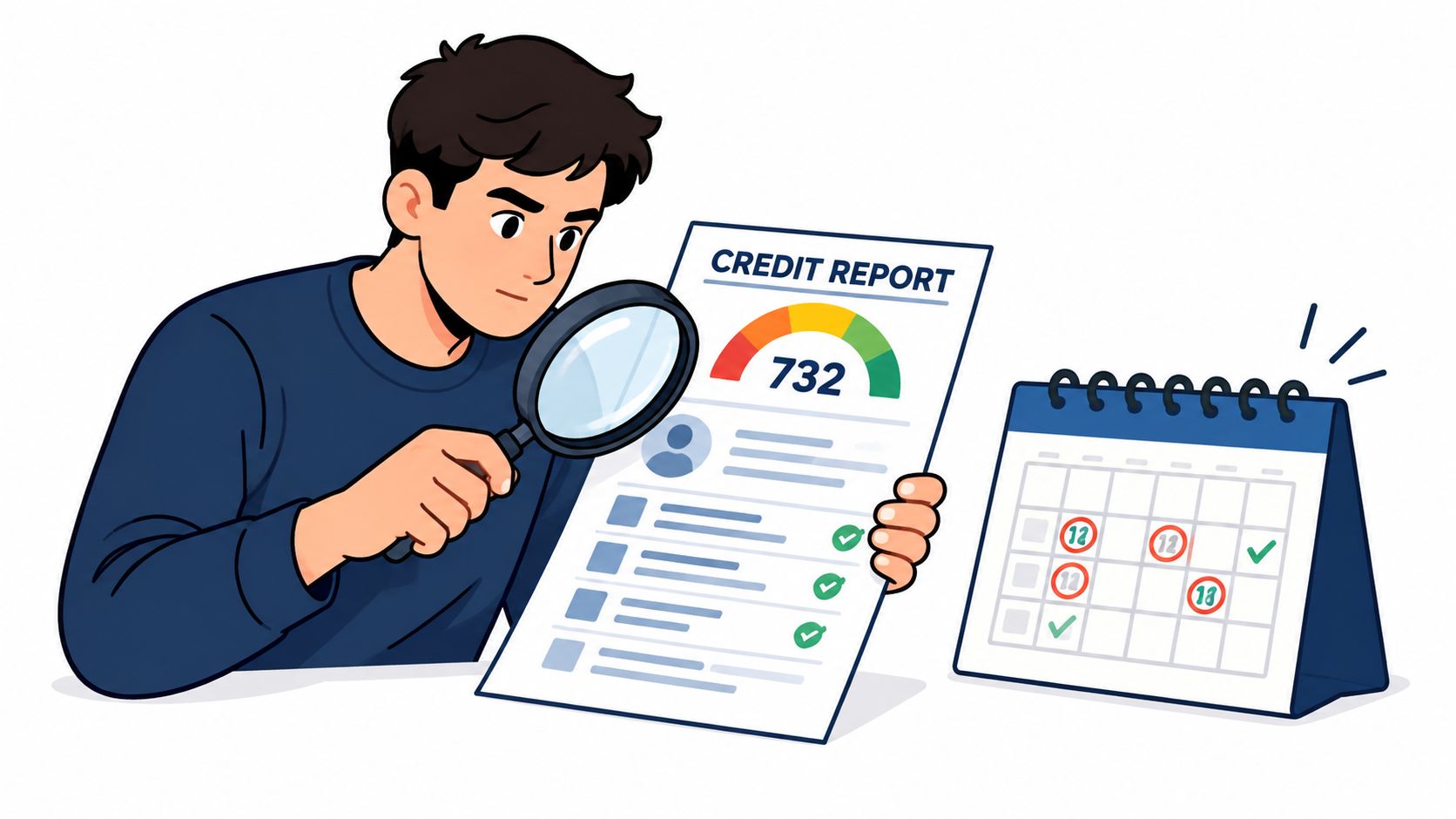
Before applying, review current reports from all three major bureaus. Check personal information, account balances, payment history, collections, and accounts that don't belong to the applicant. Disputes can take weeks to clear, so waiting until the showroom visit may leave an error unresolved.
A borrower should also ask which bureau the lender uses. That answer can explain why results differ between applications. The retailer may offer soft-pull pre-qualification, where available, allowing shoppers to explore eligibility without immediately creating multiple hard inquiries.

Present the complete income picture
Pay stubs are only one form of income evidence. Gig work, child support, disability benefits, and other consistent income may matter if the lender permits applicants to include them and the applicant can document them.
A short, factual explanation can also help clarify gaps, recent collections, or a past bankruptcy. Two or three sentences are enough. The purpose isn't to overshare. It's to give the underwriter context and point to the documents that support the current situation.
Reduce the amount being financed
A realistic down payment lowers the balance under review and may make the payment easier to manage. Even a modest contribution can help a buyer select a smaller package, avoid financing delivery charges, or preserve room in the household budget.
That doesn't mean emptying savings to force an approval. A down payment that leaves no emergency cushion creates a different problem. The right amount is one that lowers the financed balance without putting essential bills at risk.
Application discipline: One or two carefully chosen programs are usually more sensible than submitting applications everywhere at once.
Multiple hard inquiries can add pressure to an already difficult credit profile. A shopper should compare the terms first, ask about soft-pull eligibility checks, and apply selectively. Readers researching finding a lender for bad credit should still compare the final payment schedule and total obligation before accepting an offer.
For shoppers considering Progressive Leasing furniture financing, the same rule applies. Approval access doesn't remove the need to understand ownership terms, fees, and early-payoff treatment.
The Hidden Costs Most Comparisons Miss
Monthly payment comparisons often hide the line items that determine whether furniture financing for bad credit remains affordable. Delivery and assembly charges may vary by service level, distance, stairs, room placement, and removal of old furniture. A White-Glove Delivery experience can provide valuable convenience, but it should be included in the written total before the agreement is signed.
Lease-to-own contracts require special caution. An early payoff may not produce the same savings as paying cash, because the agreement can calculate the remaining obligation differently from a standard installment loan. Missed-payment charges may also apply, and some contracts can accelerate remaining balances after repeated missed cycles.
Promotional zero-interest offers deserve equally careful reading. A late payment may cause the promotional benefit to end or the account to move to its standard rate, depending on the contract. The applicant should request the total of payments figure, not just the advertised monthly amount.
| Cost Type | Store Financing | Lease-to-Own | Secured Loan | Co-Signer |
|---|---|---|---|---|
| Interest | May be higher with weaker credit or change after a promotion | Often built into the overall payment structure | Depends on the secured product and borrower profile | May improve terms if the co-signer qualifies |
| Delivery and assembly | Usually separate from the financed balance unless included | May be added to the agreement | May need to be paid upfront | Can increase the amount both parties support |
| Missed-payment consequences | Late fees, credit reporting, or loss of promotional terms may apply | Fees and contract remedies can be more severe | Account and collateral consequences depend on the agreement | Both borrower and co-signer may face credit impact |
| Early payoff | Review whether interest savings apply | Confirm whether early payment reduces the full premium | Check for prepayment restrictions | Confirm how early payoff releases shared liability |
Before signing, shoppers should ask what happens if a payment is made early, a month is missed, the furniture arrives damaged, or delivery costs change. A contract that answers those questions clearly is easier to evaluate than one built around a low headline payment.
How Groen's Financing and Custom Options Help
Groen's Fine Furniture offers Special Financing subject to credit approval, and the team can discuss available structures without treating a past credit challenge as the whole story. Multiple lender relationships may give shoppers more than one credit tier to consider, while a showroom conversation can clarify the trade-off between a lower payment, a larger down payment, and the total financed cost.
Custom furniture changes the decision in another useful way. Canadel custom dining, Amish solid wood furniture, Bassett style, Flexsteel durability, and custom-order options from Smith Brothers and Natuzzi allow buyers to design a room around their needs rather than settling for an unsuitable piece. Made-to-order furniture can also create time to plan, compare payment terms, and decide whether waiting for a bespoke item makes more sense than financing an in-stock alternative.
The Dyer and Crown Point showrooms serve homeowners throughout St. John, Schererville, Munster, and Northwest Indiana. Staff can review documents, explain promotions, discuss pre-qualification where available, and help shoppers compare delivery choices. Mattress shoppers can use the Helpful Mattress Guide to focus on rest and sleep wellness, with Serta and Beautyrest options considered for comfort rather than specifications alone.
Details about Groen's financing options should be reviewed with the showroom team before an application. The family-owned business has served NWI since 1983, with multigenerational ownership, five-star service, Interior Design support, American-Made choices, solid wood craftsmanship, and White-Glove Delivery available as part of a personal buying experience.
Visit Groen's Fine Furniture in Dyer or Crown Point to review custom furniture, quality mattresses, and Special Financing options subject to credit approval. Bring the household's questions about total cost, delivery, and payment terms, then test drive the comfort with a local family team before committing.